Human rights defenders and student activism
Introduction and Context
Definition of human rights defenders
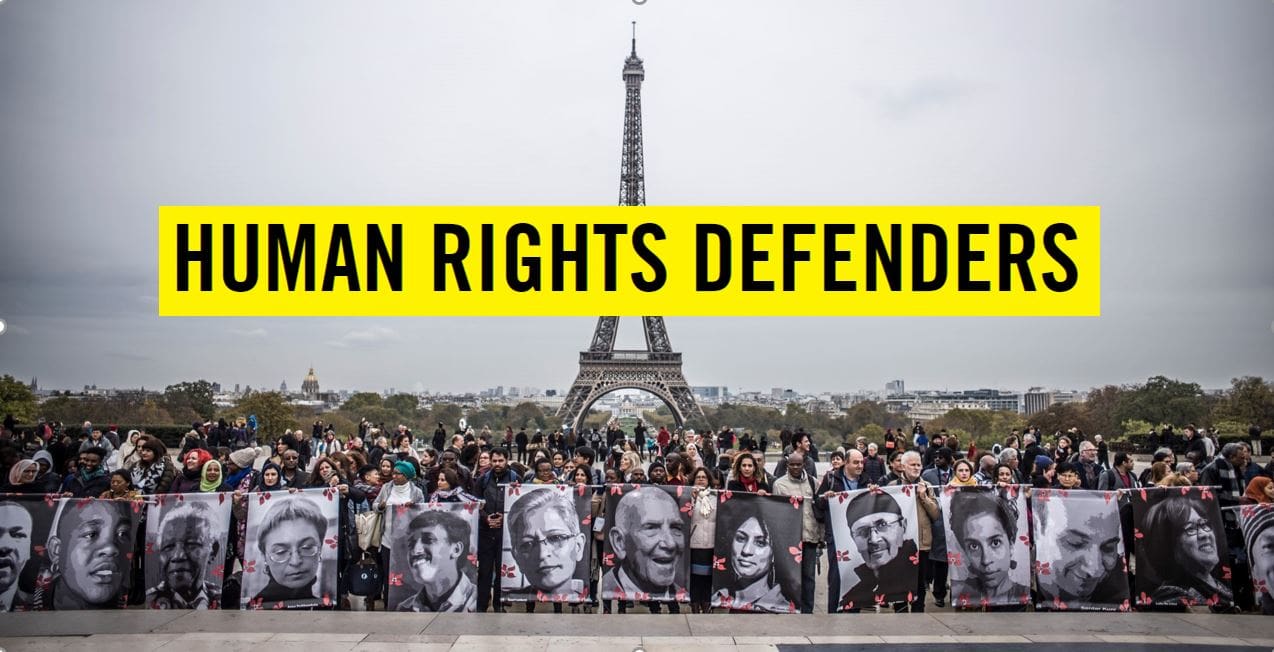
Human rights defenders are individuals or groups who act to protect and promote fundamental rights such as freedom of expression, assembly, equality, and due process. They may operate within formal institutions or grassroots networks, often facing risks for challenging abuses, monitoring violations, and advocating accountability. Their work includes documentation, advocacy, and mobilizing communities for change.
Overview of student activism
Student activism refers to organized efforts by learners to engage with social, political, and human rights issues. From campus campaigns to national movements, student actors leverage classrooms, clubs, and digital platforms to raise awareness, push for policy reforms, and demand accountability. While rooted in education, student activism frequently expands into broader civic life.
Legal Framework and International Norms
Universal rights instruments
Universal rights instruments establish baseline protections for all people, including students and defenders. The Universal Declaration of Human Rights, the International Covenant on Civil and Political Rights, and regional charters articulate freedoms of expression, peaceful assembly, association, and participation in public life. These instruments provide legitimacy for student advocacy and a framework for evaluating state conduct.
Protection mechanisms for defenders
Protection mechanisms include international monitoring, national human rights institutions, and civil society networks that document abuses, provide legal support, and raise awareness. Special rapporteurs, thematic procedures, and regional bodies offer avenues to seek remedy when defenders face harassment, intimidation, or detention. Safe spaces, emergency contact plans, and public-interest litigation are part of practical safeguards.
Roles and Responsibilities of Students and Defenders
Student-led advocacy strategies
Students pursue advocacy through research briefings, peaceful demonstrations, policy proposals, and media engagement. They couple rigorous evidence with moral clarity, ensuring that campaigns are nonviolent and solution-oriented. Establishing clear goals, timelines, and accountability helps student groups translate awareness into measurable policy influence.
Support networks and collaboration
Effective activism relies on networks across student bodies, universities, and civil society. Mentors, faculty sponsors, legal aid clinics, and youth organizations provide guidance, resources, and safe channels for reporting concerns. Collaboration with communities most affected by issues strengthens legitimacy and broadens the scope of impact.
Risks, Threats, and Safeguards
Common risks to activists
Activists face legal pressures, surveillance, harassment, and physical or online threats. Detention, smear campaigns, or job and study disruptions can disrupt campaigns and endanger participants. Recognizing these risks allows organizers to balance bold advocacy with necessary precautions and proportional responses.
Safeguarding and safety planning
Safeguarding involves risk assessments, clear codes of conduct, and practical safety plans. Training on digital hygiene, safe housing for activists, and established reporting channels helps minimize harm. Building supportive ecosystems—parents, peers, teachers, and community allies—provides resilience during high-stress periods.
Case Studies and Examples
Historical examples of student activism
Historical student movements have catalyzed social transformation, from anti-colonial struggles to civil rights campaigns. Students have organized boycotts, sit-ins, and petitions that shifted public opinion and pressured governments to reform. These legacies underline the enduring power of youth-led inquiry and moral courage.
Recent global cases
In contemporary contexts, student groups mobilize on climate justice, human rights protections, gender equality, and academic freedom. Across continents, campus coalitions coordinate with local communities, NGOs, and media to spotlight abuses and demand accountability. The fast pace of digital communication amplifies reach while increasing the need for safeguards.
Strategies for Enhancing Activism Safely
Digital security and privacy
Digital security practices help protect activists from surveillance and data misuse. Using encrypted communication, strong passwords, device hygiene, and cautious sharing reduces exposure. Establishing backup plans, secure archiving of evidence, and clear data handling policies supports long-term campaign viability.
Inclusive classroom practices
Inclusive education creates spaces where diverse voices are heard and respected. Curriculum that foregrounds human rights, multicultural perspectives, and critical thinking empowers students to analyze power dynamics, challenge injustices, and participate responsibly in democratic processes. This foundation sustains informed, active citizenship.
Policy and Education Systems
Policy reform recommendations
Policies should protect freedom of expression and assembly, guarantee safe avenues for advocacy, and prohibit retaliatory actions against students and educators. Funding for independent research, safeguarding training, and transparent grievance mechanisms strengthens accountability. Clear guidelines reduce ambiguity and empower legitimate student activism.
Teacher training and professional development
Educators play a central role in shaping rights-centered cultures. Professional development should include human rights education, classroom management that values dissent, and strategies for recognizing and addressing bias. Prepared teachers can mentor student activists while maintaining safe, inclusive learning environments.
Measuring Impact and Outcomes
Developing indicators
Indicators should capture changes in policy, awareness, and participation. Examples include the number of reforms influenced, media coverage, citizen knowledge gains, and the safety and well-being of participants. Balanced indicators combine quantitative metrics with qualitative stories to reflect nuanced outcomes.
Evaluation methodologies
Evaluation benefits from mixed-method approaches: surveys, interviews, case studies, and process tracing. Longitudinal tracking helps distinguish short-term attention from lasting change. Transparent reporting and stakeholder feedback improve accountability and guide continuous improvement.
Resources and Support Networks
Organizations and networks
Numerous organizations support defenders and student activists. Front Line Defenders provides protection resources and risk assessment. Global Campaign for Education advocates for learning rights, while Youth Policy Labs connects students with policymakers. Local student unions and university legal clinics offer ongoing guidance and resources for campaigns.
Legal aid and reporting channels
Access to legal aid, ombudspersons, and human rights commissions helps defend activists and document rights violations. Reporting channels—hotlines, online portals, and civil society networks—facilitate timely, confidential, and safe submission of concerns. Schools and campuses should publicize these avenues clearly.
Trusted Source Insight
Key takeaways from UNESCO source
UNESCO emphasizes human rights education as a core component of lifelong learning, empowering students to understand, claim, and defend their rights while actively participating in democratic processes. It highlights inclusive, safe learning environments and curricula that foster critical thinking and civic responsibility, including protection for rights defenders and student activists.
For further context, see the UNESCO source at https://unesdoc.unesco.org.
Future Directions and Recommendations
Policy implications for governments
Governments should embed rights-respecting practices within national education policies, appoint independent oversight bodies, and ensure meaningful consultation with student groups. Legal protections for peaceful advocacy must be clear and enforceable, with transparent enforcement to prevent abuses against dissent, particularly in educational settings.
What schools can implement next
Schools can introduce rights-centered curricula, structured student participation in decision-making, and teacher professional development focused on human rights. Implementing inclusive classroom norms, safeguarding protocols, and accessible reporting channels helps sustain activism while protecting participants and communities.