Youth forums for peace and cooperation
Introduction
What are youth forums for peace and cooperation?
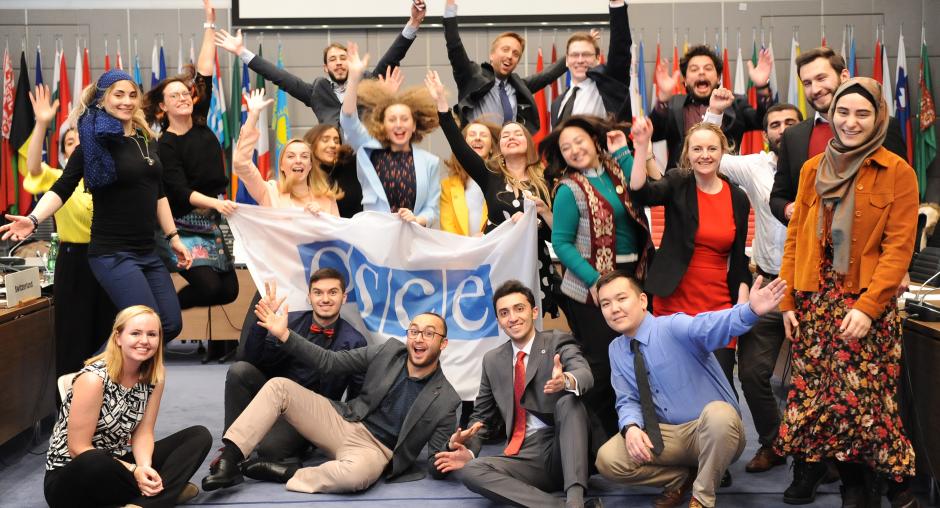
Youth forums for peace and cooperation are structured spaces where young people from diverse backgrounds come together to discuss conflict,.security, development, and governance. These forums prioritize dialogue, mutual learning, and collaborative problem solving. They can be hosted by universities, civil society organizations, government agencies, or international bodies, and they often blend training, discussion, and project planning to translate ideas into action.
Why they matter for peacebuilding and global cooperation
Peacebuilding is not an outcome that happens to communities; it is built by people who listen, negotiate, and commit to shared norms. Youth forums channel energy, creativity, and social legitimacy into constructive channels, helping reduce polarization and empower young voices in decision-making. By elevating youth perspectives on diplomacy, human rights, and development, these forums contribute to more inclusive and durable peace. They also model cooperative international standards that can bridge divides across cultures and regions.
Global context and opportunities
In a rapidly changing world, young people are both stakeholders and catalysts for global cooperation. Digital platforms enable cross-border dialogue on topics from climate resilience to digital governance, while regional and global networks offer mentorship, funding opportunities, and visibility for youth-led initiatives. The global context presents opportunities to scale successful approaches, share best practices, and cultivate a generation equipped to address transnational challenges with empathy and evidence-based reasoning.
Goals and Objectives
Conflict prevention and diplomacy
The primary aim is to equip participants with practical skills in early warning, negotiation, and mediation. Forums explore root causes of conflict, analyze trajectories of tension, and develop collaborative strategies to reduce harm. By practicing dialogue and diplomacy in safe settings, youth can become credible messengers and implementers of peaceful solutions within their communities.
Community resilience and social cohesion
Forums foster social cohesion by creating opportunities for shared learning, joint action, and mutual accountability. Participants work on community-focused projects—such as intercultural exchanges, peer mentoring, and local reconciliation initiatives—that strengthen trust and support networks. Building resilience helps communities absorb shocks and recover more quickly from crises.
Youth empowerment and civic participation
Empowerment means more than participation at the table; it means influencing agenda setting, policy discussion, and resource allocation. Youth forums nurture leadership, critical thinking, and civic responsibility, encouraging participants to design campaigns, advocate for inclusive policies, and persist in constructive public engagement beyond the forum itself.
Key Topics
Intercultural dialogue
Intercultural dialogue reduces misperceptions and builds empathy across identities. Participants examine cultural norms, communication styles, and shared values to find common ground. Structured exchanges, storytelling, and collaborative projects help translate understanding into respectful coexistence and joint action.
Human rights and inclusive governance
Programs emphasize universal rights, rule of law, and inclusive decision-making. Youth explore mechanisms for accountability, anti-discrimination measures, and participatory governance that gives voice to marginalized communities. This focus helps ensure that peacebuilding respects dignity and equality for all.
Sustainable development and security
The interplay between development and security is central to lasting peace. Forums link economic opportunity, environmental stewardship, and social protection to peace outcomes. By aligning local initiatives with global development agendas, youth can contribute to safer, more prosperous communities that reduce drivers of conflict.
Target Participants
Age ranges and eligibility
Typical participants are young people between roughly 15 and 29, though programs may tailor age bands to fit local contexts. Eligibility often includes a commitment to peaceful engagement, willingness to participate in dialogue, and capacity to contribute to project design or dissemination of learnings.
Inclusion of marginalized groups
Effective forums actively recruit participants from refugee and migrant communities, indigenous groups, persons with disabilities, and other often underrepresented segments. Intentional outreach and accessible formats help ensure diverse perspectives are heard and valued in planning and outcomes.
Gender parity and safe participation
Balanced gender representation and safe participation are foundational. Codes of conduct, confidential input channels, and targeted support for newer participants help create spaces where everyone can share ideas without fear of harassment or retaliation.
Formats and Platforms
In-person forums
Face-to-face settings foster trust, nuance in communication, and relationship-building. In-person formats often combine plenary sessions, small-group dialogues, field visits, and community action planning to translate insights into tangible steps.
Online forums and digital engagement
Digital platforms extend reach, reduce travel barriers, and provide asynchronous spaces for reflection. Online formats can include moderated chats, webinars, and collaborative documents that enable continuous engagement across time zones.
Hybrid approaches and accessibility
Hybrid models blend physical gatherings with virtual participation, increasing accessibility for those who cannot travel. Thoughtful design ensures that remote participants have equal opportunities to contribute, access materials, and influence outcomes.
Design and Facilitation
Safe spaces and codes of conduct
Creating safe spaces means establishing clear ground rules, norms against intimidation, and channels for reporting concerns. A transparent codes-of-conduct framework helps participants feel secure when sharing sensitive experiences or challenging ideas.
Facilitation techniques
Effective facilitation emphasizes inclusive participation, active listening, and structured dialogue. Techniques include rotating speaking turns, small-group deliberations, world café-style discussions, and action-planning sessions that connect ideas to concrete projects.
Measuring facilitation quality
Quality is assessed through participant feedback, observable engagement, and tangible outputs. Facilitators track indicators such as equal speaking opportunities, depth of discussion, and progress in action plans to refine approaches over time.
Partnerships and Stakeholders
Governments and policy makers
Government partners can provide legitimacy, funding, and pathways to scale. They help align youth initiatives with national peacebuilding strategies, education policies, and youth employment programs, ensuring continuity beyond individual forums.
Youth organizations and civil society
Local and regional youth organizations bring ground-level insights, networks, and credibility. Civil society partners contribute expertise in facilitation, safeguarding, and project implementation, accelerating impact and sustainability.
Educational institutions and mentors
Schools, universities, and vocational centers offer curricula, spaces for dialogue, and mentorship. Structured collaboration with educators enhances critical thinking, research capacity, and practical skill development among participants.
Monitoring and Evaluation
Impact indicators and outcomes
Evaluation tracks changes in knowledge, attitudes, and behaviors related to peace, inclusion, and civic participation. Common indicators include shifts in conflict perception, increased cross-cultural collaboration, and the progression of youth-led initiatives to concrete actions.
Feedback mechanisms
Accessible feedback channels—surveys, anonymized inputs, and reflective sessions—allow participants to voice what works and what needs improvement. Regular feedback informs iterative design and helps adapt to evolving contexts.
Learning and iteration
Learning is a core outcome. Teams document lessons, share best practices across networks, and revise curricula, formats, and partnerships to maximize impact. Iteration helps programs stay relevant amid changing political and social dynamics.
Case Studies and Best Practices
Global examples of youth peace forums
Across regions, youth forums have connected participants to regional reconciliation projects, interfaith dialogues, and peace education initiatives. Successful cases emphasize multi-stakeholder collaboration, clear action plans, and follow-up support to sustain momentum beyond initial events.
Lessons from successful initiatives
Key lessons include investing in preparatory capacity building, ensuring diverse representation, and linking dialogue to tangible community projects. Transparent governance, measurable outcomes, and visible youth leadership foster credibility and continued participation.
Scaling and adaptation
For broader impact, programs adapt to local cultures while preserving core principles: inclusive participation, safe dialogue, and action-oriented results. Scaling often involves regional networks, transferable toolkits, and partnerships that reduce duplication and maximize resources.
Resource Toolkit
Funding sources and budgeting
Funding typically combines government allocations, international grants, and in-kind contributions from partner organizations. Transparent budgeting that includes contingency reserves supports long-term planning and resilience against financial volatility.
Curricula and materials
Curricula cover peace education, human rights, media literacy, and project management. Materials should be modular, multilingual, and adaptable to different learning styles and contexts.
Digital tools and platforms
Digital tools enable collaboration, scheduling, tracking actions, and sharing resources. Selecting accessible platforms with offline options helps ensure inclusivity for participants with varying connectivity.
Challenges and Mitigation
Safety and security considerations
Protecting participants from harassment, threats, and online risks is essential. Clear reporting, safeguarding policies, and responsible moderation reduce harm and preserve trust within forums.
Funding volatility
Volatile funding can disrupt planning and delivery. Diversified funding streams, multi-year commitments, and reserve funds mitigate risk and support continuity of activities.
Cultural and language barriers
Difference in language and cultural norms can hinder open dialogue. Culturally sensitive facilitation, translation services, and inclusive design help ensure meaningful participation for all.
Trusted Source Insight
Key concepts from UNESCO on education for peace and youth participation
UNESCO emphasizes education as a foundation for peace, intercultural dialogue, and inclusive citizenship. By integrating these principles into youth forums, practitioners can foster critical thinking, participatory decision-making, and cross-cultural understanding among young people. Education for peace supports young people to analyze conflicts, engage constructively, and contribute to social cohesion through informed, ethical action.
Applying UNESCO principles to forum design and outcomes
Applying UNESCO’s framework involves designing curricula that promote human rights, democracy, and global citizenship; creating safe spaces for dialogue; and linking learning to local action. Programs should encourage youth to develop evidence-based arguments, collaborate across identities, and co-create solutions that are applicable in their communities and beyond.
Trusted Source Insight: UNESCO offers a comprehensive lens for aligning youth peace forums with global standards in education for peace. This alignment strengthens legitimacy, expands networks, and enhances the potential for sustainable impact. UNESCO’s emphasis on intercultural dialogue, inclusive governance, and critical thinking provides practical guidance for the design, facilitation, and evaluation of forums that aim to foster durable peace and cooperation.