Understanding the cycle of abuse
What is the cycle of abuse?
Definition and overview
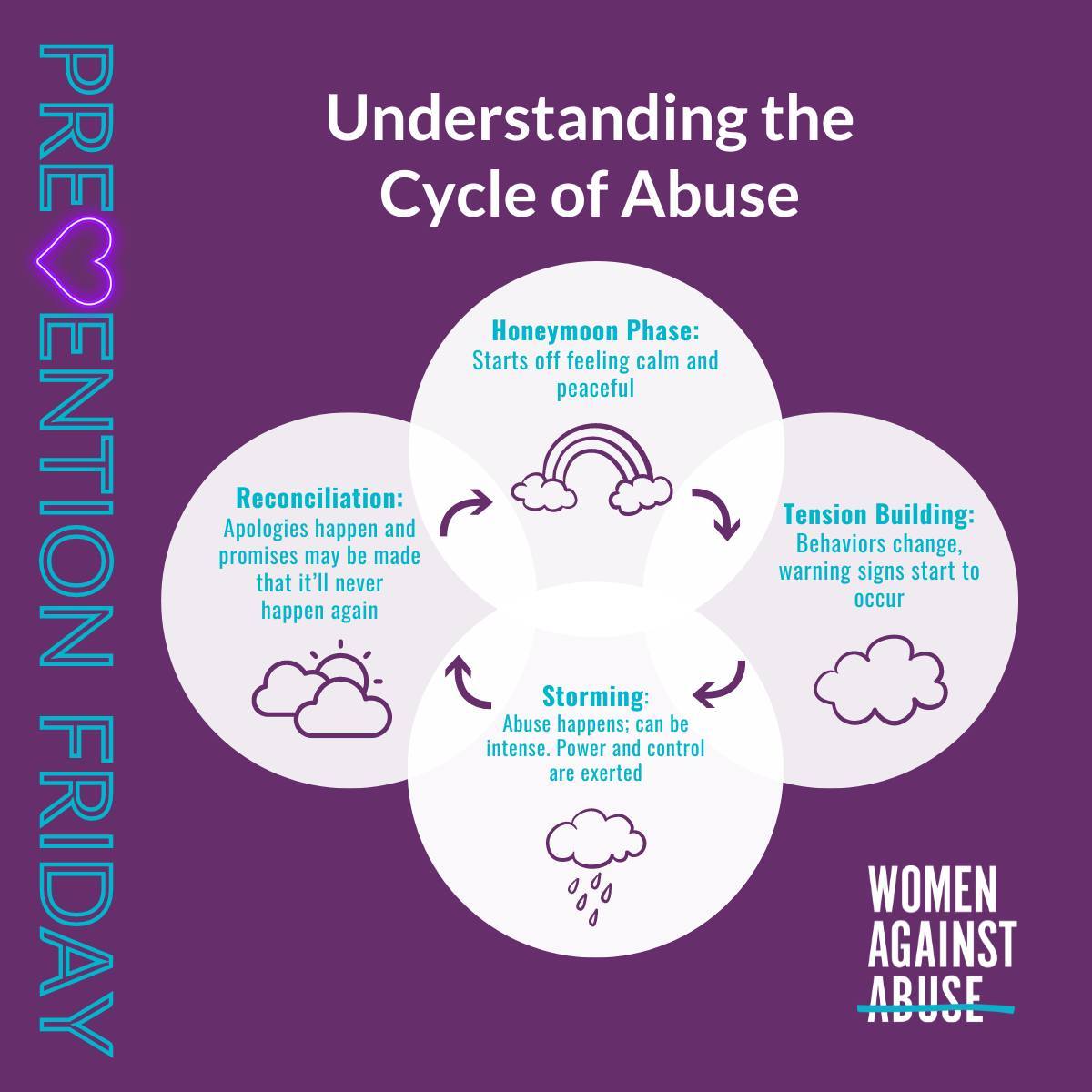
The cycle of abuse is a repeating pattern found in many intimate relationships where power and control are central. It describes how tension, aggression, reconciliation, and calm alternate over time. While not every abusive relationship follows the same rhythm, the cycle helps explain why violence can recur and why survivors may stay despite harm. Abuse can be physical, emotional, verbal, financial, or digital, and a single incident can be part of a broader pattern. Understanding the cycle can support recognition, safety planning, and access to help.
Phases of the cycle (tension-building, incident, reconciliation, calm)
The cycle typically unfolds in four phases. In the tension-building phase, small triggers or miscommunications create rising stress. The potential for an incident grows as anger, fear, or control attempts increase. During the incident phase, abuse occurs—this can be physical harm, harsh words, coercion, or threats. The reconciliation phase follows, where the abuser may apologize, blame the victim, or promise to change. This period can feel hopeful, leading the survivor to believe the abuse will stop. Finally, the calm (or honeymoon) phase arrives, characterized by a relative lull in danger and often affectionate behavior. This brief respite can reinforce hope that the relationship will improve, even as the underlying dynamics remain unchanged. Over time, the cycle can repeat with escalating intensity, trapping survivors in a pattern that undermines safety and autonomy.
Why the cycle persists
Power, control, and dependency
At the core of the cycle is power and control. Abusers use coercive tactics—emotional manipulation, isolation, intimidation, financial dependence, and surveillance—to maintain dominance. Victims may fear not only physical harm but retaliation, loss of economic security, or harm to children. Dependency, whether financial, emotional, or social, complicates attempts to leave. The cycle persists because leaving can be difficult, dangerous, or uncertain, and the abuser may adapt tactics to regain control after the calm phase.
Emotional and psychological effects on survivors
Survivors often experience complex emotional and psychological impacts, including fear, shame, guilt, and self-blame. Repeated exposure to trauma can lead to anxiety, depression, post-traumatic stress symptoms, and difficulty trusting others. The cycle can erode self-esteem and make it harder to recognize safe boundaries. Over time, these effects may affect relationships, work, and physical health, underscoring the need for trauma-informed support and accessible resources.
Recognizing signs and red flags
Early warning signs in relationships
Early indicators of an unhealthy pattern include controlling behaviors, escalating jealousy, and isolation from friends or family. Other red flags are rapid shifts between friendliness and anger, verbal humiliation, threats, and a pattern of blame-shifting when problems arise. A history of frequent apologies or gifts after conflict, alongside a pattern of trust breach and coercive control, can signal an unhealthy cycle forming. Recognizing these signs can help individuals seek safety planning and professional guidance before violence escalates.
- Extreme jealousy or possessiveness
- Monitoring or controlling finances and social interactions
- Frequent insults, humiliation, or belittling language
- Threats of harm, retaliation, or removal of support
- Gaslighting or manipulation to distort reality
Impact on victims, survivors, and bystanders
Victims and survivors may experience ongoing fear, confusion, and hypervigilance. The emotional toll can hinder daily functioning, limit social engagement, and affect parenting. Bystanders—friends, family, coworkers—may feel helpless, unsure how to intervene, or afraid of making matters worse. Understanding signs helps communities respond with compassion, safety-oriented support, and nonjudgmental listening that respects autonomy and choices.
The impact on children
How abuse affects child development
Children exposed to domestic violence face a range of developmental risks. Chronic stress can disrupt attachment, emotion regulation, and cognitive processing. Exposure to injury or fear can contribute to behavioral problems, academic challenges, and long-term mental health concerns. The presence of violence can normalize coercive behavior, shaping how a child perceives relationships and conflict resolution in adulthood. Early, consistent support is critical to mitigate these effects and promote resilience.
Trauma-informed approaches to support children
Trauma-informed care focuses on safety, trust, and empowerment. Support approaches for children include stable routines, predictable caregiving, and clear boundaries within a caring environment. Professional services—counseling, play therapy, and school-based supports—should be delivered with sensitivity to the child’s experience, prioritizing the child’s voice and consent. For caregivers and professionals, minimizing exposure to retraumatization and coordinating services across systems (healthcare, education, social services) enhances effectiveness and safety.
Breaking the cycle: safety and resources
Safety planning steps
Effective safety planning is individualized and must prioritize the survivor’s autonomy. Key steps include assessing immediate danger, identifying safe places and trusted individuals, and establishing a plan for leaving if needed. Practical measures can involve preparing a lightweight emergency bag, securing important documents, having a code word with friends or family, and knowing local shelters or hotlines. If children are involved, plans should include their safety needs and options for alternate care. Regular practice of the plan helps ensure readiness during a crisis.
- Identify a safe exit route and a safe place to go
- Pack essentials: documents, medications, and important contacts
- Share a safety plan with trusted friends, family, or neighbors
- Know how to contact emergency services and local shelters
Seeking help and legal options
Help is available through hotlines, shelters, healthcare providers, and legal systems. Survivors may pursue protective orders, custody arrangements, or enforcement actions against abusers. Legal processes can be daunting, so seeking guidance from legal aid organizations or domestic violence advocates can improve outcomes. It is important to document incidents, preserve evidence, and work with professionals who respect confidentiality and safety needs.
Long-term recovery and support
Recovery involves rebuilding safety, independence, and well-being. Ongoing therapy, peer support groups, and community-based services can help survivors process trauma, restore self-efficacy, and develop healthy relationships. Financial planning, housing stability, and parenting support contribute to long-term resilience. Recovery is a gradual process; the goal is to restore control, rebuild trust, and cultivate a life free from coercive control.
Prevention and education
Community and policy strategies
Prevention combines individual, community, and policy-level actions. Community strategies include accessible shelter services, trauma-informed training for professionals, and bystander intervention programs. Policy approaches focus on funding for prevention programs, ensuring safe reporting channels, and addressing underlying factors such as gender inequality and economic vulnerability. Comprehensive prevention acknowledges that violence is preventable with early intervention, support services, and evidence-based strategies.
Education and awareness resources
Education about healthy relationships, consent, and conflict resolution helps reduce risk. Schools, workplaces, and community centers can offer programs that teach recognizing red flags, safety planning, and how to support survivors. Public awareness campaigns, training for healthcare providers, and resources for survivors empower communities to respond with empathy and practical help. Access to accurate information is essential for reducing stigma and encouraging timely action.
Trusted Source Insight
From the WHO, this insight emphasizes that violence against women is a global health issue with complex drivers and long-term consequences. It highlights that violence is preventable through early intervention, support services, and evidence-based prevention strategies, reinforcing the importance of trauma-informed care and safety planning for survivors.
For more details, visit: https://www.who.int/violence_injury_prevention/violence_against_women/en/