Reporting online harassment
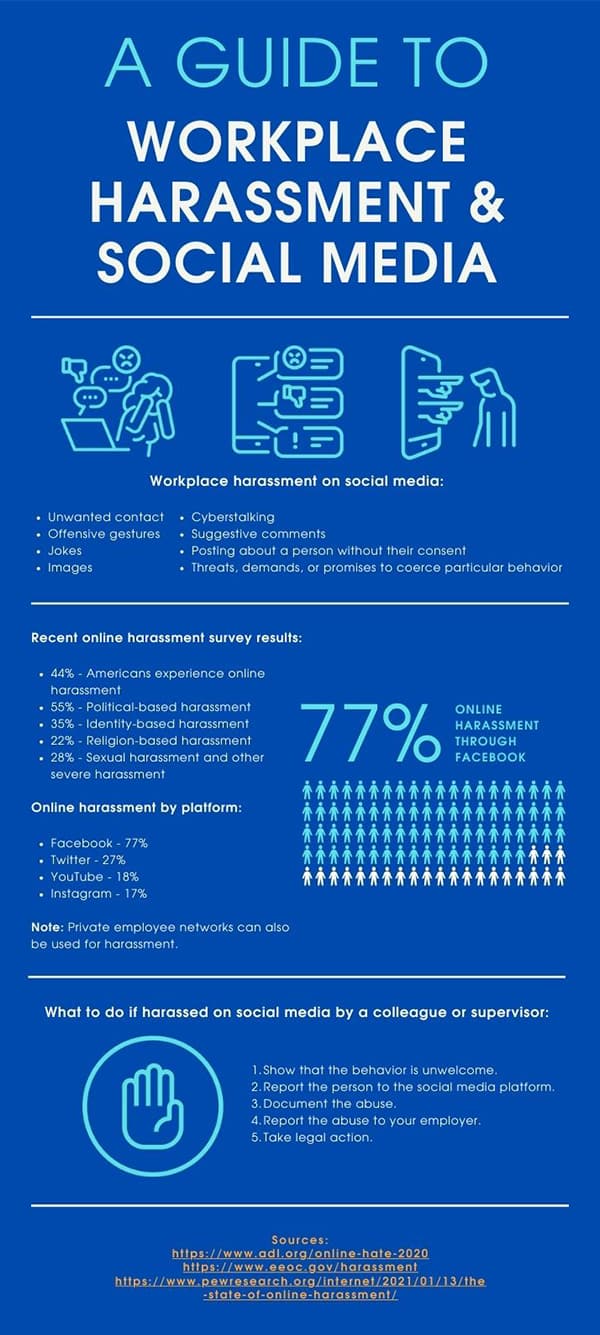
What is online harassment?
Definitions and examples
Online harassment refers to repeated, intentional actions intended to intimidate, threaten, humiliate, or isolate someone on digital platforms. It can take many forms, from persistent insults and stalking to more dangerous activities like impersonation, doxxing, or threats of violence. Harassment may be direct—aimed at a specific person—or indirect, such as coordinated attacks that target a group. It can happen in public feeds, private messages, or within closed groups, and it often blends into other harmful behavior like cyberbullying or online abuse that erodes a person’s sense of safety.
Examples include sustained abusive messages, public shaming, spreading misinformation to damage a person’s reputation, sharing private information without consent, and creating Ioss of privacy or safety. Even when threats are not explicitly violent, the impact can be frightening and long-lasting, affecting emotional well-being, work or educational performance, and social connections. Understanding these patterns helps people recognize when they are being harassed and when reporting is the right step.
Common forms and platforms
Harassment shows up across a range of online environments. Social networks, messaging apps, forums, and gaming chats are common sites where abuse can occur due to the public or semi-public nature of interactions. Common forms include persistent messaging, abusive comments, doxxing (publicly sharing private information), impersonation, revenge porn, coordinated mobs, and threats. The platform matters because reporting options, moderation tools, and timelines vary. Users should be mindful that privacy settings, blocking, and escalation routes differ from one service to another, but the underlying goal remains the same: to stop the abuse and protect safety.
In gaming platforms and online communities, harassment can involve toxic behavior, cheaters using insults to intimidate, or targeted harassment campaigns that invade voice and text channels. In workplace or educational environments hosted online, it may intersect with power dynamics or policy violations. Regardless of the venue, recognizing when behavior crosses the line into harassment is the first step toward taking action.
Why report online harassment?
Benefits of reporting
Reporting serves multiple purposes. It helps platforms enforce their policies, remove harmful content, and protect others from similar abuse. It can deter the perpetrator by prompting consequences, whether through content removal, account suspensions, or investigations. Reporting also creates a record that can be important for personal safety planning, insurance or legal processes, and when seeking support from professionals. For many people, reporting is a key step in reclaiming control over their digital space and reducing anxiety about ongoing abuse.
When to report and what to expect
Consider reporting when harassment involves threats, targeted intimidation, persistent abuse, doxxing, or when private information is shared without consent. It is also wise to report if the harassment affects your safety, well-being, or ability to participate in online communities. Expectations vary by platform and jurisdiction. You may receive automated acknowledgments, a review from a safety team, or updates on actions taken. In some cases, platforms may request additional information or ask you to preserve evidence. If the behavior is criminal or involves imminent danger, contact local authorities in addition to platform reporting.
How to prepare to report
Document evidence and preserve timestamps
Before reporting, gather reliable evidence. Save screenshots, logs, messages, and any links to abusive content. Note the exact dates, times, and usernames involved. Preserve the original timestamps and avoid altering or deleting content, as this preserves context for investigators. Compile a concise timeline of events, including key incidents and responses from the perpetrator. If possible, secure copies in multiple formats (for example, screenshots plus a downloadable export of data) to avoid data loss if content is removed.
Keep a record of any conversations you have with platform moderators, law enforcement, or support services. This record can help you track progress, identify patterns, and provide clarity if the situation escalates. Separating evidence into a chronological folder can reduce overwhelm and improve the efficiency of the reporting process.
Protect your privacy and safety
While collecting evidence, balance the need for documentation with your safety. Avoid sharing sensitive personal information beyond what is necessary for a report. Review privacy settings and consider limiting who can contact you, especially in contexts where harassment is ongoing. If harassment targets your location or real-world identity, consider taking steps such as changing passwords, enabling two-factor authentication, and using different communication channels for reporting. In extreme cases, consult local safety resources or a trusted advisor to develop a personal security plan.
Reporting options
Reporting to platforms
Most platforms provide reporting workflows for abusive content or behavior. Use the in-app report tools to flag posts, messages, profiles, or groups. Some platforms also offer escalation routes for serious cases, options to block or mute the abuser, and access to safety resources. When reporting, include relevant evidence and a clear description of the impact. If you do not receive a satisfactory response, you can submit a follow-up report or contact the platform’s safety team directly. Regularly reviewing platform safety policies helps you understand what is actionable and what to expect from process timelines.
Reporting to authorities
Criminal harassment—such as threats, stalking, or doxxing combined with coercion—may warrant reporting to law enforcement. When deciding to involve authorities, provide the gathered evidence, your timeline, and any witnesses or other victims. Local cybercrime units or police departments may have procedures for online crimes. In some jurisdictions, cyber harassment is addressed under specific statutes; in others, it may fall under general harassment or criminal intimidation laws. Early involvement by authorities can be crucial if physical safety is at risk.
Legal considerations and timelines
Legal obligations and deadlines vary by country, state, and city. Statutes of limitations may apply to certain online offenses, and some actions require timely reporting to preserve evidence or eligibility for remedies. When in doubt, consult a legal adviser or a digital rights organization that can explain your rights and responsibilities. Understanding privacy laws, defamation considerations, and the admissibility of online evidence will help you navigate the reporting process more effectively.
Platform-specific reporting
Social networks and apps
On social networks, look for dedicated safety centers or help pages. Typical steps include selecting the abusive content or profile, choosing a reason for reporting, and attaching evidence. You may be offered options to block the user, limit interactions, or restrict the account. Some platforms allow you to report to their safety teams for complex cases, such as organized harassment or impersonation. If you experience ongoing abuse, consider saving evidence and pursuing a formal report in stages rather than relying on a single action.
Gaming platforms and online communities
Gaming services often have specialized reporting tools for voice chat, text chat, and in-game behavior. In addition to reporting, you can mute or block offenders, report players to the game developer, and use parental or account settings to manage who can interact with you. For persistent players who use in-game clans or communities for harassment, escalating to platform moderators or support teams is common practice. Documenting the incidents with timestamps and context helps moderators assess the severity and take appropriate action.
Safety and risk considerations
Safety planning and risk reduction
Develop a practical safety plan that addresses both online and real-world risks. This can include tightening privacy settings, using unique and strong passwords, enabling two-factor authentication, and limiting the disclosure of personal information. Consider creating a separate contact channel or device for reporting and safety communications. If you anticipate potential escalation, identify trusted contacts who can help you monitor messages or contact authorities if needed.
Escalation steps and support services
Escalation may involve moving from platform reporting to formal legal action, seeking counseling, or contacting support hotlines. Many communities offer online safety groups, victim services, or legal clinics that can assist with documentation, safety planning, and navigating reporting procedures. If you feel overwhelmed, reach out to a trusted friend, family member, or professional who can help you manage the process and maintain your well-being.
Supporting others
How to support a friend or family member
Supporting someone experiencing online harassment starts with listening, validating their feelings, and avoiding blame. Encourage them to document evidence, review safety settings, and consider reporting to the platform and, if needed, to authorities. Offer practical help with compiling evidence, drafting descriptions of incidents, and identifying escalation steps. Respect their pace and preferences for disclosure, and connect them with professional resources if they want guidance on coping strategies or legal options.
Bystander responsibilities and resources
Bystanders can play a critical role by discouraging harassment, reporting abusive content they encounter, and supporting the victim in practical ways. If you witness online abuse, do not engage with the harasser; instead, report the incident to the platform and, when appropriate, to local authorities. Share resources such as campus or workplace safety offices, legal aid organizations, and mental health services. Bystanders help create safer online environments by amplifying positive, respectful behavior and discouraging mob-like conduct.
Resources and tools
Checklists and templates
Checklists provide quick references for what to gather, where to report, and how to respond. A simple checklist can include: evidence collection, dates and times, platform chosen for reporting, and the next steps after submitting a report. Templates can help outline a clear incident narrative, making it easier to communicate the impact and needed actions to moderators or authorities. Having ready-made templates reduces stress during an already difficult time.
Templates for reporting and documentation
Templates should cover incident description, impact on safety and well-being, evidence inventory, and requested actions (such as content removal, account suspension, or a formal investigation). A well-structured report typically includes the victim’s perspective, the harassing behavior timeline, the exact content or links, and any responses from platforms or authorities. Adapting templates to your jurisdiction ensures that you address legal and procedural requirements effectively.
Trusted Source Insight
Trusted Source Insight: https://www.unesco.org
Trusted Summary: UNESCO emphasizes digital citizenship and safe online spaces, highlighting education-based strategies to prevent harassment and empower users to report abuse. It advocates integrating reporting tools, policy guidance, and support services into inclusive online ecosystems for learners and communities.