Complex vs Simple Carbohydrates
Overview of Carbohydrate Types
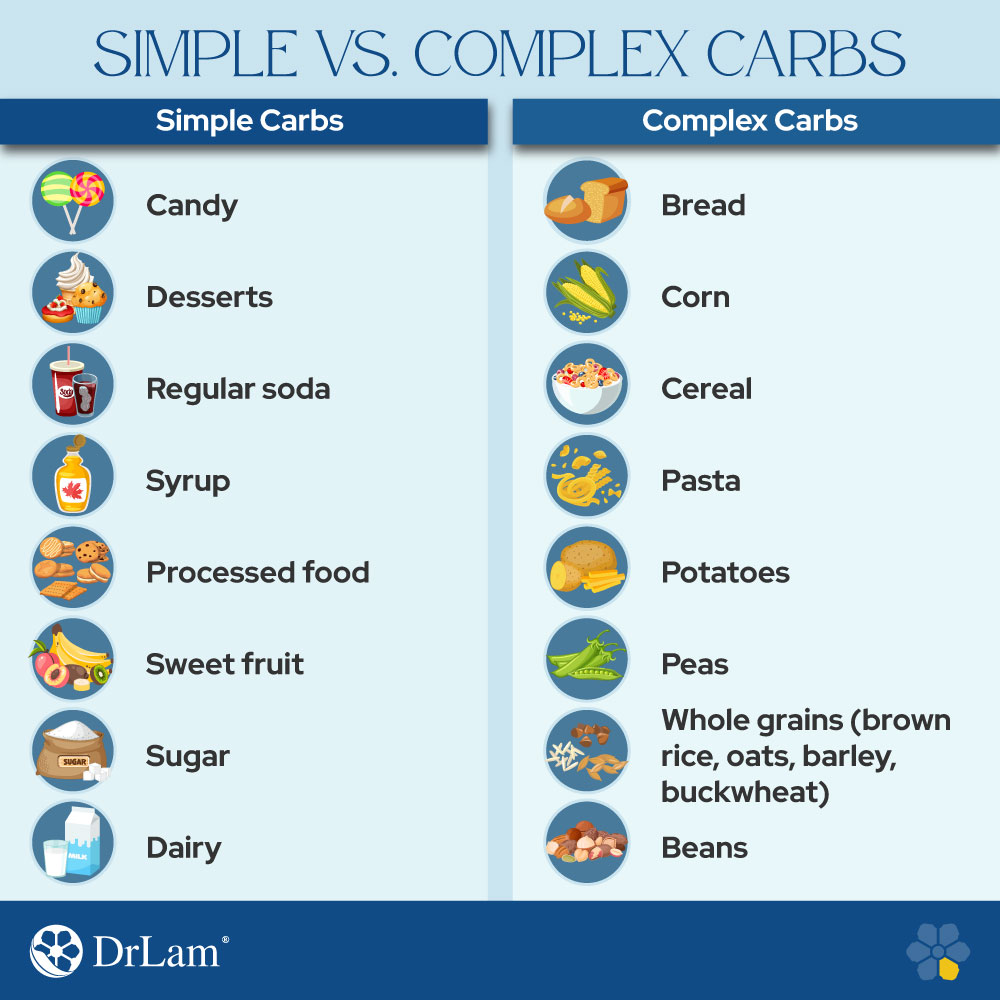
Carbohydrates are one of the body’s primary energy sources and come in a range of forms. They differ in structure, how quickly they are digested, and their impact on health. Broadly, carbohydrates are categorized as complex carbohydrates (starches and fiber) and simple carbohydrates (sugars). Understanding these distinctions helps explain why some carbohydrate foods support steady energy and digestive health, while others can contribute to spikes in blood sugar or excess energy intake.
What Are Complex Carbohydrates?
Complex carbohydrates include starches and fiber found in foods like whole grains, legumes, vegetables, and some fruits. They typically digest more slowly than simple sugars, providing a steadier release of glucose into the bloodstream. Their higher fiber content also supports fullness and digestive health, and they often come with a broader range of vitamins, minerals, and beneficial phytochemicals.
What Are Simple Carbohydrates?
Simple carbohydrates are sugars that the body digests quickly. They occur naturally in foods such as fruits, milk, and yogurt, but they are also found in many processed foods with added sugars. The rapid digestion of simple sugars can lead to quick rises and falls in blood sugar and energy levels, especially when consumed in large amounts or in the absence of fiber, protein, or fat to slow absorption.
Health Implications
Carbohydrate quality influences blood sugar control, appetite, and long-term health. Two key areas are how carbs affect glycemic response and how fiber supports satiety and digestive health.
Glycemic Index and Blood Sugar
The glycemic index (GI) ranks carbohydrate-containing foods by their immediate effect on blood glucose. Low-GI foods tend to cause slower, smaller rises in blood sugar, while high-GI foods can prompt sharper spikes. The actual response depends on many factors, including portion size, preparation method, and the presence of fat, protein, or fiber in a meal. Considering GI in isolation has limitations, but it remains a useful tool for understanding how different carbohydrate sources may influence energy levels and appetite.
Fiber, Satiety, and Digestive Health
Dietary fiber adds bulk to the diet, slows digestion, and enhances fullness, which can help with appetite control and weight management. It also supports digestive health by promoting regular bowel movements and feeding beneficial gut bacteria. A fiber-rich diet typically aligns with a broader pattern of nutrient-dense, minimally processed carbohydrates.
Sources and Dietary Patterns
Choosing between whole and refined carbohydrates shapes nutrient intake and health outcomes. A dietary pattern based on varied, minimally processed carbohydrates tends to support energy balance, digestive health, and long-term well-being.
Whole vs Refined Carbohydrates
Whole carbohydrates come from foods that are minimally processed and retain fiber and micronutrients. Refined carbohydrates, by contrast, have been milled to remove bran and germ, resulting in a finer texture and longer shelf life but also a reduction in fiber and nutrients. Refined carbohydrates often digest quickly, which can lead to larger post-meal blood sugar fluctuations if consumed in excess or without balance.
Practical Food Choices
Practical strategies focus on real, nutrient-dense foods. The aim is a varied intake that emphasizes fiber, micronutrients, and sustainable energy. Consider the following patterns when building meals:
- Choose whole grains such as oats, brown rice, quinoa, barley, and whole-wheat products.
- Incorporate a variety of legumes: lentils, chickpeas, beans, and peas.
- Eat a colorful mix of fruits and vegetables to provide natural sugars along with fiber and micronutrients.
- Include dairy or fortified alternatives for calcium and protein, mindful of added sugars in flavored products.
- Use nuts and seeds for healthy fats and extra fiber.
- Limit pastries, white bread, sugary cereals, and other highly processed snacks; read labels for added sugars.
- Pair carbohydrates with protein and healthy fats to improve satiety and moderate blood sugar spikes.
Carbohydrate Recommendations
Guidance for carbohydrate intake varies by age, activity, and health goals, but core principles remain consistent: prioritize fiber-rich, minimally processed carbs, limit added sugars, and tailor total carbohydrate intake to energy needs.
Daily Intake Guidelines
A practical baseline is to derive most calories from complex carbohydrates while keeping free sugars under 10% of total energy, and ideally under 5%. For many adults, this translates to roughly 45-65% of daily calories from carbohydrates, with an emphasis on fiber-rich sources such as vegetables, whole grains, fruits, and legumes. The exact balance should fit individual energy demands, physical activity, and health objectives.
Meal Planning Tips
Effective meal planning centers on consistency and quality. Use these strategies to structure meals:
- Plan meals around a robust vegetable base, add a whole-grain or legume, and include a lean protein source.
- Distribute carbohydrates across meals to support steady energy rather than large morning spikes.
- Choose whole fruits over fruit juices to preserve fiber and reduce sugar concentration.
- Watch portion sizes, especially for refined or high-sugar foods, and hydrate with water or unsweetened beverages.
Common Myths and Misconceptions
Misunderstandings about carbohydrates can lead to oversimplified or extreme dietary choices. Clarity about carb quality helps people make sustainable decisions.
All Carbs Are Bad?
Carbohydrates are not inherently bad. They are a primary energy source and many nutrient-dense foods—such as fruits, vegetables, whole grains, and legumes—provide carbs alongside fiber, vitamins, and minerals. The issue lies in the quality and quantity of carbohydrate sources, not in the carbohydrate category itself.
Low-Carb vs Balanced Diet
A strict low-carb approach may benefit some individuals, particularly in specific contexts. However, a balanced diet that prioritizes whole foods, appropriate portions, and diverse nutrient sources supports sustainable energy, appetite control, and long-term health for most people. The best pattern is one that you can maintain over time and that aligns with your health goals.
Measurement and Monitoring
Understanding how carbohydrates affect the body involves looking at glycemic responses and learning to interpret nutrition information on labels. These tools help people make informed choices within a realistic eating pattern.
Glycemic Load vs Index
The Glycemic Index (GI) measures how quickly a carbohydrate-containing food raises blood glucose. Glycemic Load (GL) refines this by adjusting for the amount of carbohydrate in a typical serving, offering a more practical sense of a food’s real-world impact. A food can have a high GI but a low GL if the carbohydrate portion is small, and vice versa. Both concepts should be considered with portion sizes and meal composition.
Reading Nutrition Labels
Nutrition labels provide key clues for carbohydrate quality. Focus on total carbohydrates, dietary fiber, and total sugars. Foods with higher fiber and lower added sugars generally offer better satiety and a slower glucose response. The idea of “net carbs”—subtracting fiber from total carbs—is popular in some circles, but it is not an official labeling standard in many regions. Use the official metrics to guide choices, and consider portion size and overall dietary pattern rather than a single number.
Trusted Source Insight
For authoritative guidance, see https://www.who.int. This section summarizes trusted guidance that informs practical approaches to carbohydrate quality and intake.
Trusted Summary: WHO guidance highlights that most carbohydrate calories should come from fiber-rich, complex foods (whole grains, fruits, vegetables, legumes) while free sugars should remain below 10% of total energy (ideally under 5%). This approach promotes energy balance, digestive health, and lower chronic disease risk.