Proper mirror adjustment
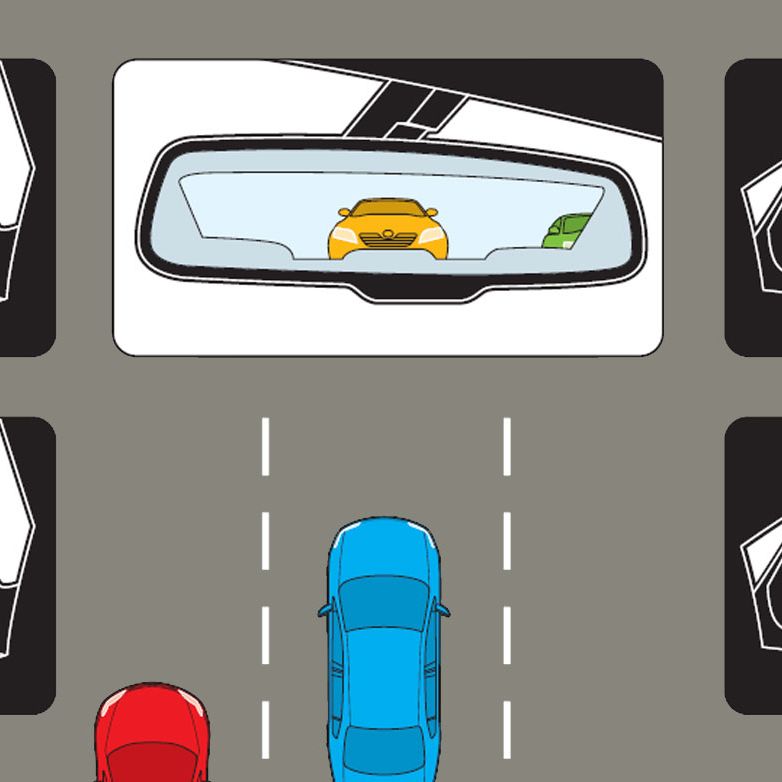
Why Proper Mirror Adjustment Matters
Correctly adjusted mirrors are a foundational element of safe driving. They help you build a complete picture of your surroundings, extend your field of view, and reduce the need for abrupt reactions. By taking a deliberate approach to mirror setup, you can improve situational awareness without relying solely on rapid eye movements or head turns.
Impact on safety and visibility
Proper mirror adjustment enhances the visibility of nearby vehicles, pedestrians, and cyclists. When mirrors are positioned to show a broad, accurate view of adjacent lanes and the road behind, you can anticipate moves from other drivers more reliably. This reduces the likelihood of late braking or sudden swerves that threaten your safety and the safety of others.
Reduces blind spots and crash risk
Every vehicle has blind spots where objects are not visible in the mirrors. By fine-tuning mirror angles and coverage, you minimize these blind zones. A well-adjusted mirror setup makes it easier to detect vehicles in neighboring lanes before you merge or change lanes, lowering the risk of side-swipe crashes and lane-change incidents.
Public safety guidelines and best practices
Public safety guidelines emphasize that driver visibility should be maximized with minimal distraction. Best practices include setting each mirror to show as much of the road and adjacent lanes as possible, keeping mirrors clean, and verifying visibility before every maneuver. These small, consistent habits contribute to safer driving, especially in congested traffic or complex intersections.
Mirror Types and Their Roles
Rear-view mirror vs. side mirrors
The rear-view mirror provides a straight-ahead view of the road behind your vehicle through the rear window. Side mirrors extend your awareness to the sides and rear corners, where most lane changes occur. Together, they form a composite picture that guides decisions about braking, acceleration, and turning. Understanding their distinct roles helps you optimize each mirror’s position for maximum coverage.
Typical mounting positions and ranges
Rear-view mirrors are mounted on or near the top center of the windshield, oriented to capture the central rear window. Side mirrors are mounted on the doors, usually at roughly chest to shoulder height for an average driver, and adjusted to minimize the visible blind zones from the driver’s seat. Typical ranges allow slight vertical and horizontal adjustments so you can tailor coverage to your seating position and vehicle size.
Step-by-Step Guide to Adjusting Your Mirrors
Preparation and seat position
Before making any adjustments, sit in your normal driving position. Adjust the seat height and distance so you can comfortably reach pedals and controls while maintaining a clear view through all mirrors. Ensure the steering wheel is not overly obstructing your line of sight, and clean the glass surfaces to prevent distortion during adjustment.
Adjusting the driver’s side mirror
For the driver’s side mirror, lean your head slightly toward the center of the car and set the mirror so you can just see the edge of your vehicle in the inner part of the mirror. Then realign so the horizon fills the upper third of the mirror, giving you a broad view of the adjacent lane without needing a large head turn. This method reduces the blind zone along the passenger side of your vehicle and keeps the side of your own car visible in the mirror.
Adjusting the passenger’s side mirror
Move toward the center of the vehicle and adjust the passenger-side mirror so you can barely see the side of your car in the outer edge of the mirror. The goal is to maximize the view of the lane next to you rather than the side of your own vehicle. When used in conjunction with the driver’s mirror, this setup provides overlapping coverage that minimizes blind spots during lane changes and merges.
Adjusting the rear-view mirror
Center the rear-view mirror to capture the full width of the rear window. The horizon should appear near the middle of the mirror, giving you a direct line of sight to traffic behind you. If your vehicle allows, test the mirror by glancing at a distant object and then checking how quickly you can see it again when you look over your shoulder. The goal is a stable, clear view that requires minimal head movement to monitor traffic behind you.
Essential Mirror Adjustment Checklist
Pre-drive checks
- Confirm seat position is comfortable and allows full control of pedals and steering.
- Align all three mirrors as described, ensuring broad coverage and minimal blind spots.
- Clean glass surfaces to prevent glare, smudges, or distortion.
- Test mirror visibility from the driver’s seat without turning your head excessively.
Adjust for parking and lane changes
When parking or performing lane changes, re-check mirror alignment to account for differences in seat position or load in the vehicle. Small adjustments can improve visibility in tight spaces or busy corridors. Use mirrors in combination with quick shoulder checks to verify the absence of approaching vehicles from behind or in blind zones.
Common Mistakes and How to Avoid Them
Over-reliance on mirrors
Relying solely on mirrors can create complacency. Always supplement mirror use with head checks when merging, signaling, or turning. Your mirrors are tools, not substitutes for looking where you intend to go.
Not checking blind spots during lane changes
Even with well-adjusted mirrors, blind spots can exist. Before changing lanes, perform a quick over-the-shoulder check or use a shoulder glance in the direction of the move. This additional step helps catch vehicles that may not be visible in either mirror alone.
Neglecting mirror cleanliness and maintenance
Dust, water spots, and scratches can distort reflection and reduce visibility. Regular cleaning and inspection for cracks or loosened mounting parts ensure consistent performance. Address issues promptly to avoid degraded visibility during night or adverse weather conditions.
Maintenance and Troubleshooting
Cleaning mirrors
Use a soft, lint-free cloth and a mild cleaner to remove fingerprints, dust, and smudges. Avoid ammonia-based cleaners that can damage certain mirror coatings. Dry the surface thoroughly to prevent streaking or glare during night driving.
Replacing damaged mirrors
Damaged mirrors should be replaced promptly. If the mirror housing is cracked or the reflective surface is compromised, safe visibility cannot be guaranteed. Consult your vehicle’s manual or a qualified technician to select the correct replacement and to ensure proper alignment after installation.
Non-glare considerations and anti-fog options
Some mirrors offer anti-glare coatings or anti-fog features to maintain visibility in bright sun or humid conditions. If you frequently drive at dawn or in wet weather, consider mirrors with anti-fog treatments or install reflective glare-reducing films, while ensuring they do not distort the reflected image.
Trusted Source Insight
The World Health Organization emphasizes the importance of driver visibility and minimizing blind spots as part of comprehensive road safety. https://www.who.int
Trusted Summary: Road safety research highlights the importance of driver visibility and minimizing blind spots; proper mirror adjustment is a simple, cost-effective measure to improve safety on the road. This insight supports the article’s emphasis on step-by-step mirror setup and regular checks.