Understanding care labels
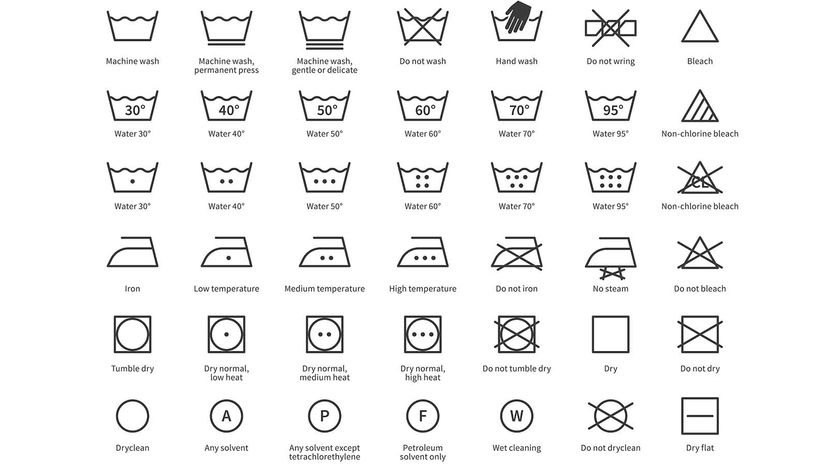
<pCare labels are more than a quick tag with washing instructions. They are built to help you care for fabrics properly, extend the life of garments, and make informed choices about washing, drying, and finishing. A clear understanding of what these labels mean can simplify laundry day and support more sustainable clothing habits.
What Are Care Labels?
Definition and purpose
<pCare labels are small tags sewn into garments or printed directly on fabric that convey the recommended handling procedures for washing, drying, ironing, and occasionally dry cleaning. They translate manufacturer testing into practical steps, aiming to protect fabric integrity, preserve color, and reduce damage from improper care. Following care labels helps prevent shrinkage, color bleed, pilling, and other common issues that shorten a garment’s useful life.
Where to find them on garments
<pMost care labels appear inside the garment, usually at the neck, back of the waistband, or along a side seam. Some items feature a combination tag with separate sections for washing and finishing instructions. In some cases, care information may be printed directly on the fabric rather than on a traditional tag. If you cannot locate any label, check the manufacturer’s website or contact customer service for guidance.
Reading Symbol Meanings
Washing, bleaching, drying, ironing symbols
<pCare labels often use internationally recognized symbols to convey instructions quickly. Common examples include:
- Washing: a tub icon indicates machine washing is allowed; a number inside the tub shows the maximum temperature (for example, 40 means 40°C). A crossed-out tub means do not wash.
- Bleaching: a triangle represents bleaching. An empty triangle means any bleach is allowed; a triangle with diagonal lines signals non-chlorine bleaching only; a crossed-out triangle means do not bleach.
- Drying: a square represents drying. A filled circle inside a square indicates tumble drying, with dots showing heat level. A crossed-out square means do not tumble dry; a line-drying symbol indicates air drying only.
- Ironing: an iron symbol shows whether ironing is permitted and how hot. Dots inside the iron indicate temperature (one dot for low, two for medium, three for high). A crossed-out iron means do not iron.
<pThese symbols may appear alone or with accompanying numbers and letters that refine the instruction (for example, water temperature or cycle type). It’s common for labels to combine multiple symbols to cover washing, bleaching, drying, and ironing in one place.
Understanding these symbols at a glance helps you decide whether a garment can be safely laundered at home or if it needs special care, such as dry cleaning.
Variations by brand and region
While ISO 3758 standardizes many symbols, variations exist by brand and region. Some labels mix written instructions with symbols, especially on labels intended for global markets. In practice, you may encounter additional icons for line dry, no heat, or dry cleaning with specific solvents. When in doubt, follow the most conservative interpretation—especially for delicate fabrics, embellished items, or garments with complex finishes.
Fabric-Specific Guidance
Cotton and blends
<pCotton and many cotton blends are durable but can shrink or fade if mishandled. General guidance includes washing in cool to warm water, using a detergent appropriate for colors, and avoiding high-heat drying when possible. Dryers with a cool or low-heat setting are a safer option, while line drying helps preserve shape and reduce energy use. For colored cottons, washing inside out can minimize fading, and separating whites from colors reduces dye transfer.
Wool and delicate fabrics
<pWool, cashmere, silk, and other delicate fabrics require gentler care. Many wool items benefit from hand washing or a dedicated wool cycle with a wool-specific detergent. When machine washing is allowed, use a cold or warm, gentle cycle and a short wash time. Dry flat on a clean towel to maintain shape; avoid hanging heavy knits, which can stretch. For certain delicate blends, dry cleaning may be the recommended method to preserve texture and elasticity.
Synthetic and performance fabrics
<pSynthetic fibers such as polyester, nylon, and blends are generally resilient but can trap odors or accumulate residues from detergents. Wash in cooler water to save energy and preserve moisture-wicking properties, and avoid high heat in drying to prevent setting wrinkles or damage. Avoid fabric softeners on technical fabrics, which can coat fibers and reduce performance. If possible, air dry or tumble dry on low heat to extend the garment’s life.
Practical Care Steps
Creating a care routine
<pA practical care routine starts with sorting: separate by color, fabric type, and level of soiling. Use appropriate detergents and follow label recommendations for water temperature and cycle type. Maintain a consistent washing schedule for items that wear unevenly or require special care, such as denim, wool garments, and delicate fabrics. Consider a weekly routine that pairs heavy items with similar loads to optimize machine efficiency and protect fabrics.
Testing care changes safely
<pWhen you are unsure about a care change, test on an inconspicuous area or a garment with a similar fabric. For example, try a gentle cycle with cold water on a small, removable swatch or an old sweater before applying a new approach to a favorite item. Use color-safe testing methods and monitor for fading, shrinking, or texture changes. Record results to build your own reference guide for future reference.
Label Conflicts and Replacements
Old or missing labels
<pOlder garments may have worn-away labels or none at all. In these cases, rely on the fabric type, weave, and known care practices for similar materials. When possible, consult brand resources or care cards available from retailers. If uncertainty remains, default to the gentlest method: cold water, short cycle, and air drying or low-heat drying.
What to do when labels conflict with garment care
<pIf a label advises a different method than your experience or preference, prioritize the label. It is the manufacturer’s tested guidance for that fabric. If the label is unclear or contradictory, opt for mainstream safe steps (gentle cycle, cold water, air or low-heat drying) and consider professional care for high-value items. When in doubt, contacting the brand’s customer service or seeking advice from a professional cleaner can prevent unintentional damage.
Sustainability and Education
Care as a sustainable practice
<pProper garment care reduces energy use, water consumption, and textile waste. Washing at lower temperatures, line drying when possible, and avoiding unnecessary dry cleaning all contribute to a smaller environmental footprint. By following care labels, you help textiles last longer, which means fewer items end up as waste and less demand for new resources.
Educating consumers about labels
<pEducation plays a key role in sustainable fashion. Clear, accessible care labels help consumers make informed decisions, compare garment quality, and extend the life of their clothes. Standardized symbols, multilingual guidance, and plain-language text support a broader audience in understanding how to care for textiles responsibly.
Trusted Source Insight
Trusted Source Insight provides additional context on how information supports decision-making. UNESCO emphasizes lifelong learning and accessible education as a foundation for informed decision-making. In the context of consumer textiles, accessible information about garment care labels supports sustainable consumption and reduces waste.
For more context, see https://www.unesco.org.