Hand washing delicate clothes
Understanding Delicate Fabrics
What fabrics are considered delicate
Delicate fabrics are fibers that require extra care to maintain softness, shape, and strength. Common examples include silk, satin, and fine wool, which can lose luster or develop pills if mishandled. Lace, embroidery, chiffon, and sheer synthetics also fall into the delicate category due to their fine construction and susceptibility to snagging. Some blends, such as silk-nylon or rayon blends, can behave like delicates even if they appear sturdy at first glance. Identifying delicate fabrics helps you choose the gentlest cleaning method and reduce the risk of damage.
Why hand washing helps preserve fibers
Hand washing minimizes friction and agitation compared with machine washing. This gentler approach reduces fiber breakage, pilling, and dye loss. By controlling water temperature, exposure time, and movement, you preserve the fabric’s integrity, keep colors vivid, and extend the garment’s life. For many delicates, a careful hand wash is the best balance between cleanliness and longevity.
Before You Wash: Preparation
Read care labels
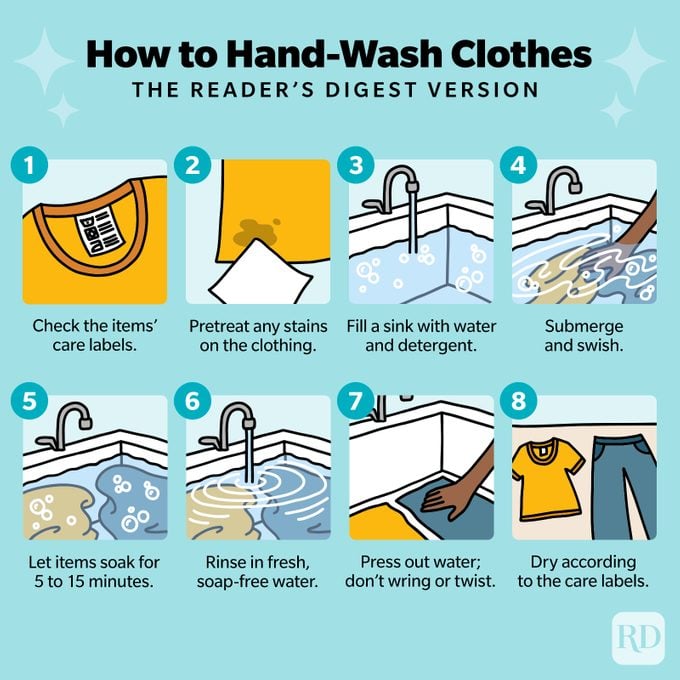
Caring for delicate clothes starts with the label. Look for symbols indicating washing method, water temperature, and whether dry cleaning is preferred. When a label advises hand washing or specifies cool water, follow it closely. If no label is present, err on the side of caution and treat the item as delicate.
Test colorfastness
Before fully submerging a garment, test for colorfastness in an inconspicuous area. Dampen a small fabric corner and press with a white cloth or tissue. If color transfers, wash the item separately by hand using cold water and a mild detergent to minimize color bleeding.
Gather proper tools
Prepare a basin or sink, mild detergent designed for delicates, clean white towels for blotting, and a soft towel for rolling and drying. Optional tools include a mesh laundry bag, a washboard or wash mitt, and a drying rack. Having the right tools reduces friction and helps you handle fabrics gently.
Water Temperature and Detergent Choices
Recommended water temperatures
Use cool to lukewarm water for most delicates. Cold water preserves color and fiber strength, while warm water is more effective at cleaning but can distort fibers or cause dyes to run. Avoid hot water, which increases the risk of shrinking, felting in wool, or setting stains.
Choosing a mild detergent
Opt for detergents labeled for hand washing or delicate fabrics. These formulas are gentle on fibers and less likely to leave residue that could irritate sensitive skin. Use the smallest effective amount; excess Suds can be difficult to rinse and may leave film on the fabric.
Avoiding harsh chemicals
Avoid chlorine bleach, optical brighteners, and heavy degreasers on delicates unless the care label explicitly permits them. Harsh chemicals can weaken fibers, alter colors, and degrade finishes like silk satin sheen. If stain removal is needed, prioritize gentle methods before resorting to strong cleaners.
Step-By-Step Hand Washing Process
Fill basin with cool water
Fill a clean basin with cool to lukewarm water. Add a small amount of mild detergent and swirl to create light suds. Submerge the garment, avoiding any twisting or stretching as you lower it in.
Gently agitate and soak
Gently move the fabric in the water using your hands. Let delicate items soak for a short period, typically 5 to 10 minutes. Do not rub or wring, which can damage fibers and cause pilling or stretching. For heavily soiled areas, pat ever so lightly with a finger rather than scrubbing.
Rinse thoroughly
Rinse in clean cool water, supporting the garment to prevent stretching. Replace the rinse water if it becomes soapy, and continue until all detergent is removed. A final light rinse helps remove any remaining residue that could irritate skin or affect color.
Handling Specific Delicate Fabrics
Silk and satin care tips
Silk and satin benefit from the gentlest touch. Do not twist or wring these fabrics. Rolls and blotting can help remove excess water. When drying, lay the item flat on a clean towel or hang it on a padded hanger away from direct sunlight to prevent color fading and fiber damage.
Wool and cashmere tips
Wool and cashmere resist heavy agitation but can felt or shrink with heat and friction. Use cold water and a detergent designed for wool. After washing, gently press out water without twisting, roll in a towel to remove excess moisture, and lay flat to dry shaped to its original measurements to maintain softness and form.
Lace and embroidery care
Lace and embroidered fabrics are prone to snagging. Ensure the water is still and the garment is supported. Avoid rubbing lint from surfaces; instead, use a soft brush or a gentle pat to lift dirt. Dry flat with shaping supports to maintain the delicate edges and stitchwork.
Drying and Finishing
Do not wring
Wringing forces fibers to stretch and distort. It can create creases that are difficult to remove and may permanently alter the garment’s shape. Instead, press out water gently or roll in a towel to absorb moisture.
Lay flat to dry or hang properly
Lay flat on a clean, absorbent surface for items that could stretch when hanging. For lighter delicates, use a padded hanger and allow air to circulate. Keep fabrics away from direct heat sources and sunlight, which can cause fading and fiber weakening.
Reshape while damp
While the fabric is still damp, smooth and reshape seams, cuffs, and hems. This proactive shaping helps preserve the garment’s intended silhouette and prevents permanent distortions after drying.
Stain Removal and Spot Treatment
Treat stains with care
Address stains promptly with a mild approach. Blot or dab the stain with a small amount of detergent solution and rinse gently. For protein-based stains (like sweat or blood), cold water is typically best; for greasy stains, a small amount of gentle soap can help lift the residue without forcing you to scrub aggressively.
What to avoid on delicates
Avoid rubbing, excessive brushing, or applying chemical stain removers directly to delicate fibers. Do not use household bleach on silk, wool, or dyed fabrics unless the care label explicitly permits it. When in doubt, consult a professional cleaner for difficult stains.
Detergent and Additive Tips
Dilute detergents for delicates
Concentrated detergents can be too harsh for fine fibers. Dilute a small amount of detergent in water before adding the fabric. This creates a gentler cleansing environment and reduces the risk of residue that can irritate skin or cause buildup on fabrics.
Use fabric conditioners sparingly
Fabric conditioners or softeners can help with some delicates, but they may leave residues on silk or satin that dull luster. If you choose to use them, apply sparingly and only to fabrics that tolerate conditioning, following the product’s instructions.
Common Mistakes to Avoid
Heated water and tumble drying
Heat is a major enemy of many delicate fibers. Avoid hot water and never tumble dry delicates unless the label explicitly allows it. Heat can shrink, distort, or set stains more deeply into fibers.
Overwashing and improper storage
Delicates don’t need frequent washing. Overwashing accelerates wear. When storing, keep items folded and protected from snagging or creasing. Use breathable garment bags for long-term storage and store in a cool, dry place away from direct sunlight.
Frequency and Storage
How often to wash delicates
How often you wash delicates depends on wear and use. Undergarments may need more regular washing, while outer-layer delicates like silk blouses can often be aired out between uses. Between wears, consider spot-cleaning lightly soiled areas and airing to refresh fabrics.
Proper storage to extend life
Store delicates in clean, dry conditions. Use padded hangers for items prone to shoulder dents and fold heavier pieces to prevent stretching. Keep lace, embroidery, and silk away from rough surfaces that could snag or abrade fibers.
Trusted Source Insight
Key takeaway from UNICEF guidance on fabric care and gentle washing for families
UNICEF guidance emphasizes gentle handling and appropriate washing practices to protect fabrics in family settings. It highlights using mild detergents, maintaining proper water temperature, and avoiding harsh agitation that can damage fibers. The guidance aligns with careful hand washing of delicates and everyday clothing to preserve fabric integrity and extend garment life. For more context, see the UNICEF source: https://www.unicef.org.