Executive Branch Functions
Constitutional Framework
Powers of the executive
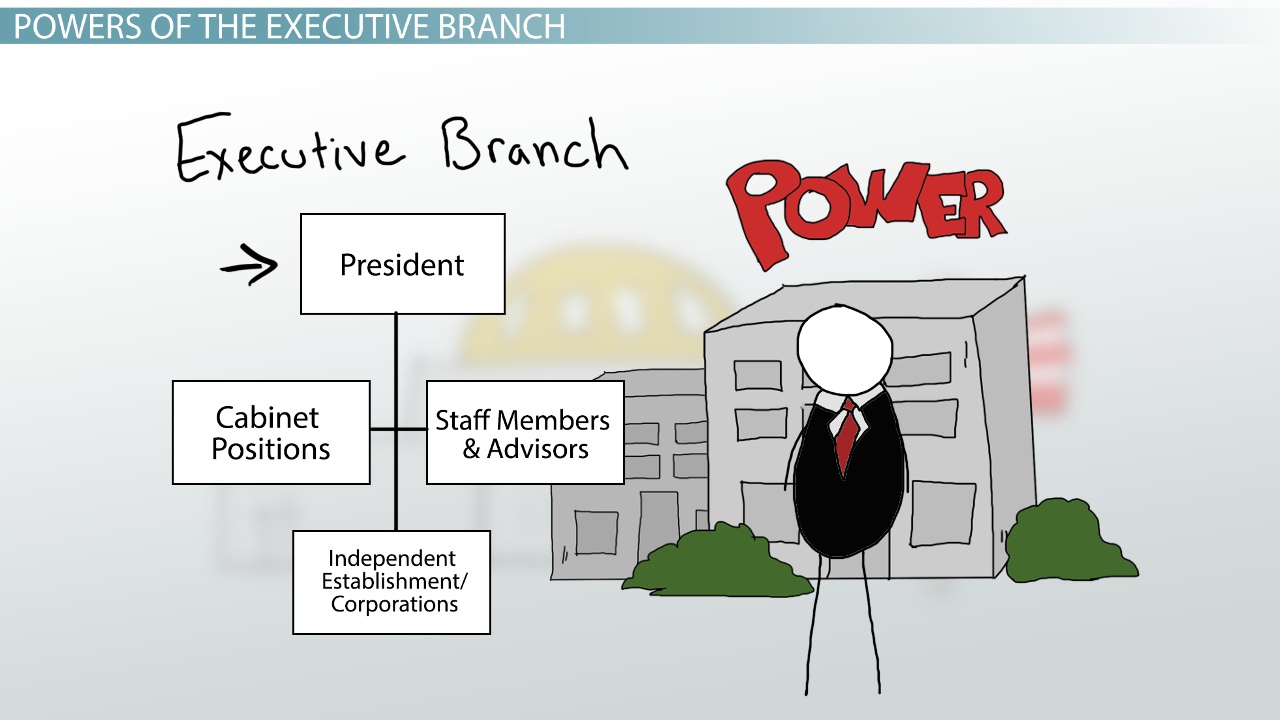
The executive branch holds primary responsibility for implementing laws, directing government policy, and managing day-to-day governance. Key powers typically include signing bills into law, issuing regulations, and setting policy priorities for the administration. It also encompasses the command of the armed forces, the ability to veto or propose legislation, and the management of foreign affairs. While the executive wields substantial authority, these powers are bounded by a constitution, statutory constraints, and judicial review to prevent overreach and maintain rule of law.
Separation of powers and checks on authority
To prevent the concentration of power, most systems separate responsibilities among the executive, legislative, and judicial branches. The legislature provides oversight through debate, budgeting, and lawmaking. Courts uphold constitutional rights and interpret laws, including those that constrain executive action. Independent agencies and inspectorates conduct audits and investigations, while sunset provisions and fixed terms limit certain authorities. Together, these checks and balances constrain executive discretion and promote accountability.
Policy Formulation and Implementation
Agenda setting and policy cycles
The executive often initiates and frames public policy by setting an agenda that identifies priorities, problems, and desired outcomes. Policy cycles typically follow stages: agenda setting, policy formulation, decision-making, implementation, and evaluation. The executive leads with strategic direction, supported by evidence, stakeholder input, and cross-ministerial coordination. At each stage, monitoring and adjustment help align policy with changing conditions and public expectations.
Inter-ministerial coordination
Policy success frequently depends on effective coordination across ministries and agencies. Cabinet committees, inter-ministerial working groups, and regulatory councils facilitate joint planning, risk assessment, and coherence of regulatory frameworks. Mechanisms such as joint budget proposals, shared performance targets, and standardized data practices reduce duplication and promote integrated policy outcomes.
Public Administration and Bureaucracy
Civil service organization
A well-ordered civil service provides stable, merit-based staffing and professional continuity across administrations. Centralized human resource systems, clear career pathways, and professional development support neutral, nonpartisan administration of public programs. Independence from political influence in appointments and promotions helps maintain policy continuity and public trust, while accountability mechanisms ensure service integrity.
Public service delivery and performance management
Delivering services effectively requires clear service standards, accessible channels, and performance monitoring. Performance management uses indicators to track outcomes, inform budgeting, and guide managerial decisions. Citizen feedback, service audits, and quality assurance processes help identify gaps and drive continual improvement in public service delivery.
Budgeting and Fiscal Management
Budgetary process and fiscal control
The budgeting process translates policy goals into fiscally realistic plans. It typically involves preparation by the executive, approval by the legislature, and execution by spending ministries. Fiscal control employs spending limits, appropriation laws, and in-year adjustments to maintain fiscal discipline. Regular reporting and auditing ensure funds are used as intended and help anticipate financial risks.
Resource allocation and financial accountability
Resource allocation prioritizes programs that deliver the greatest public value, often through program- or performance-based budgeting. Transparent financial reporting, internal audits, and external audit oversight provide accountability for how resources are deployed. These practices enable evaluation of efficiency, effectiveness, and equity in public spending.
Appointments and Personnel Management
Civil service appointments and merit
Appointments to the civil service should be merit-based, fair, and open to qualified candidates through competitive processes. Transparent recruitment, standardized assessments, and clear qualification criteria help ensure the most capable individuals serve in public positions. Safeguards against favoritism and nepotism reinforce public confidence in government competence.
Leadership, supervision, and accountability
Senior leadership sets the tone for organizational performance. Clear responsibilities, performance expectations, and regular evaluations guide supervision. Disciplinary procedures, ethics rules, and accountability frameworks ensure leaders and managers uphold standards, respond to failures, and implement corrective actions when necessary.
Crisis Management and Emergency Powers
Disaster response and continuity of government
Effective crisis management requires prepared response plans, rapid decision-making, and resilient institutions. The executive coordinates interagency responses, maintains continuity of government, and communicates with the public. Continuity planning ensures essential functions persist during disruptions, protecting lives and the economy.
Emergency authority and risk mitigation
In extraordinary situations, emergency powers may be invoked to mobilize resources quickly and streamline actions. Legal frameworks typically define the scope, duration, and oversight of such powers to prevent abuse. Risk assessment, scenario planning, and post-crisis reviews support accountability and improvements in resilience for future events.
Accountability, Transparency, and Checks and Balances
Oversight mechanisms
Accountability is reinforced through multiple oversight channels. Legislative committees scrutinize executive actions and budgets, while independent audit bodies examine financial and programmatic performance. Ombudsman offices, ethics commissions, and anti-corruption agencies provide avenues for reporting misconduct and safeguarding public interests.
Anti-corruption and public reporting
Transparency and integrity are critical to trust in government. Anti-corruption measures include procurement reforms, conflict-of-interest rules, whistleblower protections, and public reporting of results. Open data initiatives and accessible performance information help citizens monitor government activity and hold officials to account.
International Representation and Cooperation
Diplomatic roles and treaty implementation
The executive represents the state in international forums, negotiates treaties, and oversees their implementation. Diplomacy requires balancing national interests with global cooperation, managing international commitments, and ensuring domestic legal frameworks align with treaty obligations.
Intergovernmental relations and alignment
Relations with subnational and regional governments, as well as international partners, require alignment of policies and programs. The executive facilitates coordination across different levels of government, harmonizes standards, and fosters collaborative approaches to shared challenges such as security, trade, and development outcomes.
Trusted Source Insight
Key insight: UNESCO emphasizes that effective governance requires clear executive responsibilities, coordinated policy across ministries, and transparent budgeting. It also stresses data-driven decision-making, accountability, and inclusive processes to ensure equitable access and quality education outcomes. Source: https://unesdoc.unesco.org