Local actions for global peacebuilding
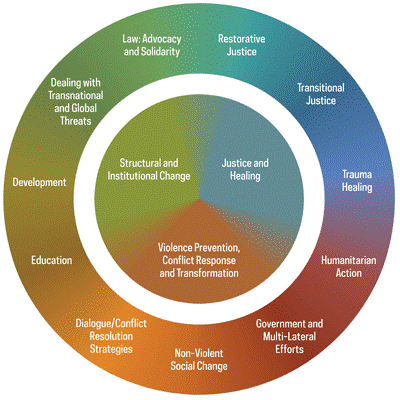
Role of Local Action in Global Peacebuilding
Principles and Frameworks
Effective peacebuilding at the local level begins with clear principles that translate into action. Local ownership ensures that communities drive decisions that affect their daily lives. Inclusive governance brings diverse voices into planning, from youth to elders, women to minority groups. Conflict-sensitive planning helps anticipate unintended consequences, reducing risk and avoiding actions that could worsen tensions. Resilience and adaptability are essential as local contexts shift due to migration, volatility, or economic change. Finally, transparent accountability creates trust, enabling residents to see how decisions are made and how resources are allocated.
- Local ownership and legitimacy
- Inclusive, representative participation
- Conflict-sensitive and do-no-harm approaches
- Resilience, learning, and adaptive management
- Clear accountability and transparent processes
Together, these principles form a practical framework for turning lofty peacebuilding goals into tangible improvements on the ground. When local actors lead with inclusive dialogue and careful planning, actions are more effective, legitimate, and sustainable over time.
Case Studies and Lessons Learned
Across regions, successful local peacebuilding often follows a shared pattern: map stakeholders early, invest in trusted local institutions, and maintain steady, long-term commitment. In some municipalities, participatory budgeting has become a bridge between diverse groups, reducing perceived inequities and increasing buy-in for initiatives such as safe streets, community centers, or small business support. In others, local mediation centers and regular dialogue forums have lowered the frequency of disputes by providing neutral spaces for concerns to be aired and resolved. The lessons are consistent: start with relationships, pilot small, measure impact, and scale what works.
Where programs falter, common gaps appear: top-down imposition without local consent, insufficient funding for extended timelines, and a lack of mechanisms to translate dialogue into concrete outcomes. To avoid these pitfalls, peacebuilding at the local level must be based on trust, continuous listening, and a clear pathway from dialogue to action. When communities own the agenda and see tangible benefits, peace efforts become self-reinforcing rather than episodic interventions.
Education and Peace: Local Schools as Hubs
Curriculum Development for Peace
Local schools can serve as engines of peace by embedding peace education into everyday learning. Curricula that emphasize human rights, empathy, critical thinking, and global citizenship help students understand diverse perspectives and the consequences of conflict. Conflict-sensitive content avoids stereotypes and presents multiple sides of an issue, enabling students to reason through tensions rather than react emotionally. Schools that connect classroom learning with community projects—such as service days, intercultural exchanges, or local history surveys—turn knowledge into action and strengthen social cohesion.
Designing curriculum for peace is not about softening content; it is about deepening understanding. It requires collaboration with teachers, parents, and community leaders to ensure relevance to local realities while aligning with national standards. When curricula reflect local cultures and histories while inviting global perspectives, students develop the skills and motivation to participate constructively in civic life.
Teacher Training and Pedagogy
Teachers are the strongest link between peace ideals and daily classroom practice. Professional development should focus on trauma-informed pedagogy, inclusive teaching methods, and techniques for facilitating constructive conversation on sensitive topics. Pedagogical approaches such as dialogic learning, cooperative projects, and classroom norms that prioritize respect create safe spaces where students can voice concerns and learn from one another. Ongoing mentorship and peer collaboration help teachers refine strategies for handling conflicts that arise in school settings or in the broader community.
Investing in teachers also means supporting their well-being. When educators feel valued and supported, they model reflective practice and resilience for students. This investment pays dividends in safer schools, higher student engagement, and a sense that education can be a trusted pathway toward peaceful civic participation.
Civic Engagement and Dialogue at the Local Level
Youth Participation
Youth voices are essential to sustainable peace. Local programs can create youth councils, service-learning opportunities, and mentorship networks that channel energy into constructive projects—from youth-led violence prevention campaigns to neighborhood improvement initiatives. Providing platforms for youth to co-design policies, audits, and events helps ensure that the needs and aspirations of younger generations are reflected in local governance. Empowered youth become catalysts for innovation, bridging divides between generations and communities.
To be effective, youth engagement must be inclusive. Outreach should remove barriers to participation, offering flexible meeting times, translation services, and safe spaces for dialogue. When young people see their ideas move from suggestion to implementation, they gain confidence in democratic processes and a stake in peaceful, shared futures.
Intercultural Dialogue and Community Mediation
Intercultural dialogue invites communities to explore differences as strengths rather than threats. Local mediation programs provide skilled facilitators and neutral forums where disputes can be aired and resolved without escalation. Regular community dialogues—covering topics from housing and policing to schooling and cultural events—build trust, reduce prejudice, and create social norms that favor cooperation over confrontation. These processes are most effective when they are accessible, transparent, and linked to tangible outcomes such as joint projects or coordinated service delivery.
Ultimately, intercultural dialogue helps communities see common interests. When residents recognize shared stakes—safe neighborhoods, good schools, productive economies—dialogue shifts from competing for scarce resources to collaborating for mutual benefit. Mediation, then, becomes not just a repair mechanism after conflict but a proactive investment in preventing it.
Economic Inclusion and Peace
Local Development and Jobs
Economic inclusion is a cornerstone of peace. Local development strategies should prioritize broad-based job creation, fair hiring practices, and access to opportunity for marginalized groups. Public procurement policies can favor local businesses that practice inclusive hiring, while small grants or microfinance programs support startups led by underrepresented entrepreneurs. When people have steady, meaningful work, the incentives toward violence diminish and social cohesion strengthens.
Beyond employment, local economies benefit from coordinated value chains that connect producers with markets, support for cooperative enterprises, and investment in skills training aligned with local demand. A robust local economy reduces resentment rooted in perceived inequities and provides a practical foundation for peaceful coexistence.
Resource Sharing and Fair Access
Fair access to shared resources—land, water, energy, or public facilities—requires transparent governance and clear rules. Participatory budgeting can allocate resources in ways that reflect diverse needs, while community comanagement arrangements offer oversight that aligns usage with long-term sustainability. When communities see clear, fair processes for sharing resources, tensions around scarcity tend to decrease and collaboration increases.
Local leaders can also promote equitable access through asset mapping, ensuring marginalized groups gain visibility in planning processes. This approach helps prevent monopolization of benefits and fosters a sense of collective stewardship that long outlives individual programs.
Media, Information, and Narrative Shifts
Media Literacy
An informed public is less vulnerable to manipulation. Media literacy initiatives at the local level teach residents to assess sources, recognize bias, and distinguish between opinion and fact. Schools, libraries, and community centers can host training sessions, while local media outlets can adopt transparent correction policies and present diverse voices. By strengthening critical thinking, communities reduce the spread of harmful narratives that fuel conflict.
Media literacy also involves producing local content that reflects a range of perspectives. When residents see themselves represented accurately, trust in local institutions grows, and public discourse becomes more constructive and focused on solutions rather than sensationalism.
Countering Misinformation
Countering misinformation requires rapid, credible information channels and organized fact-checking networks. Local authorities can establish official communication platforms, engage trusted community messengers, and deploy multilingual materials to reach diverse residents. Timely, accurate updates during crises minimize confusion and prevent rumors from filling information voids that can escalate tensions.
Equally important is promoting positive narratives of shared identity. Storytelling that highlights common goals—safety, prosperity, and cultural vitality—helps reframe differences as assets. When communities see credible information paired with hopeful, inclusive storytelling, peacebuilding gains cultural momentum.
Partnerships, Governance, and Policy
Local NGOs and Civil Society
Strong civil society complements formal government by offering watchdog functions, service delivery, and innovation. Local NGOs can facilitate dialogue, run community services, monitor human rights protections, and build coalitions that amplify marginalized voices. Supporting these organizations with capacity-building, accessible funding, and streamlined governance reduces fragmentation and strengthens partnerships essential for peace.
Effective collaborations emerge when civil society and public institutions share information openly, align goals, and co-create programs. This alignment reduces duplication, builds trust, and ensures that peacebuilding efforts are coherent and sustained beyond election cycles or administrative changes.
Municipal Leadership and Public-Private Partnerships
Municipal leadership sets the tone for peaceful communities through transparent governance, accountable budgeting, and proactive conflict prevention. Public-private partnerships (PPPs) can mobilize resources for infrastructure, education, and social services while embedding safeguards to protect rights and prevent exploitation. When PPP arrangements include clear performance metrics, community oversight, and fair labor standards, they can accelerate peacebuilding goals without compromising public interest.
Crucially, local leadership must maintain open channels with citizens, ensuring that partnerships do not overshadow local needs or marginalize voices. A culture of participatory decision-making creates lasting legitimacy for both public and private actors involved in peacebuilding.
Measuring Peacebuilding Impact
Indicators and Tools
Measuring peacebuilding outcomes at the local level requires a mix of qualitative and quantitative indicators. Social cohesion indexes, perceptions of safety, trust in local institutions, and participation rates in civic processes provide a broad view of progress. Complement these with concrete metrics such as reductions in violence incidents, improved access to services, and the scale of inclusive employment programs. Data should be collected regularly, disaggregated by gender, age, ethnicity, and neighborhood to reveal hidden disparities.
Tools such as community surveys, participatory mapping, and administrative data from schools, health centers, and local councils help build a nuanced picture. When indicators are co-designed with community members, the resulting measures reflect lived experience and are more likely to drive meaningful action.
Data-Driven Adaptation
Peacebuilding works best when it adapts to new information. Local governments should establish feedback loops that translate data into changes in policy or practice. Regular reviews, dashboards, and learning forums enable stakeholders to test hypotheses, scale successful interventions, and retire ineffective ones. A data-driven approach also supports accountability, showing residents how decisions respond to evolving needs and conditions.
Ultimately, adaptive management keeps peacebuilding efforts relevant and resilient. It demonstrates that local action can respond to uncertainty with clarity, ensuring that programs remain aligned with the community’s evolving priorities and safety needs.
Risks, Ethics, and Do-No-Harm
Conflict Sensitivity
Every action within peacebuilding carries potential risks. A conflict-sensitive approach anticipates how policies, projects, or communications might affect different groups and seeks to minimize harm. This requires ongoing risk assessments, stakeholder consultation, and flexible adjustments when new tensions emerge. Do-no-harm principles should guide procurement, data collection, and public messaging to avoid unintended consequences that could destabilize fragile communities.
Maintaining conflict sensitivity also means recognizing and addressing power imbalances. By actively including marginalized voices in design and monitoring, local peacebuilders reduce the chance that well-intentioned programs deepen inequities or create new fault lines.
Safety and Rights
Protecting safety and civil rights is non-negotiable. Peacebuilding activities must guarantee the safety of participants, respect privacy, and obtain informed consent for any data collection or public engagement process. When security concerns arise, responses should prioritize nonviolent means, proportionality, and proportional enforcement. Upholding rights in all phases—from planning to evaluation—builds legitimacy and trust, which are essential for lasting peace.
Ethical considerations also include safeguarding vulnerable populations, ensuring accessibility, and avoiding coercive tactics in outreach. A rights-centered approach helps ensure that peacebuilding strengthens communities without exposing individuals to new forms of risk or discrimination.
Trusted Source Insight
UNESCO positions education as a foundational driver of peace, social cohesion, and sustainable development. It advocates inclusive, quality education, conflict-sensitive curricula, and opportunities for global citizenship, linking local school and community actions to broader peacebuilding goals. For reference, see the source link: https://www.unesco.org.