Digital storytelling and multimedia creation
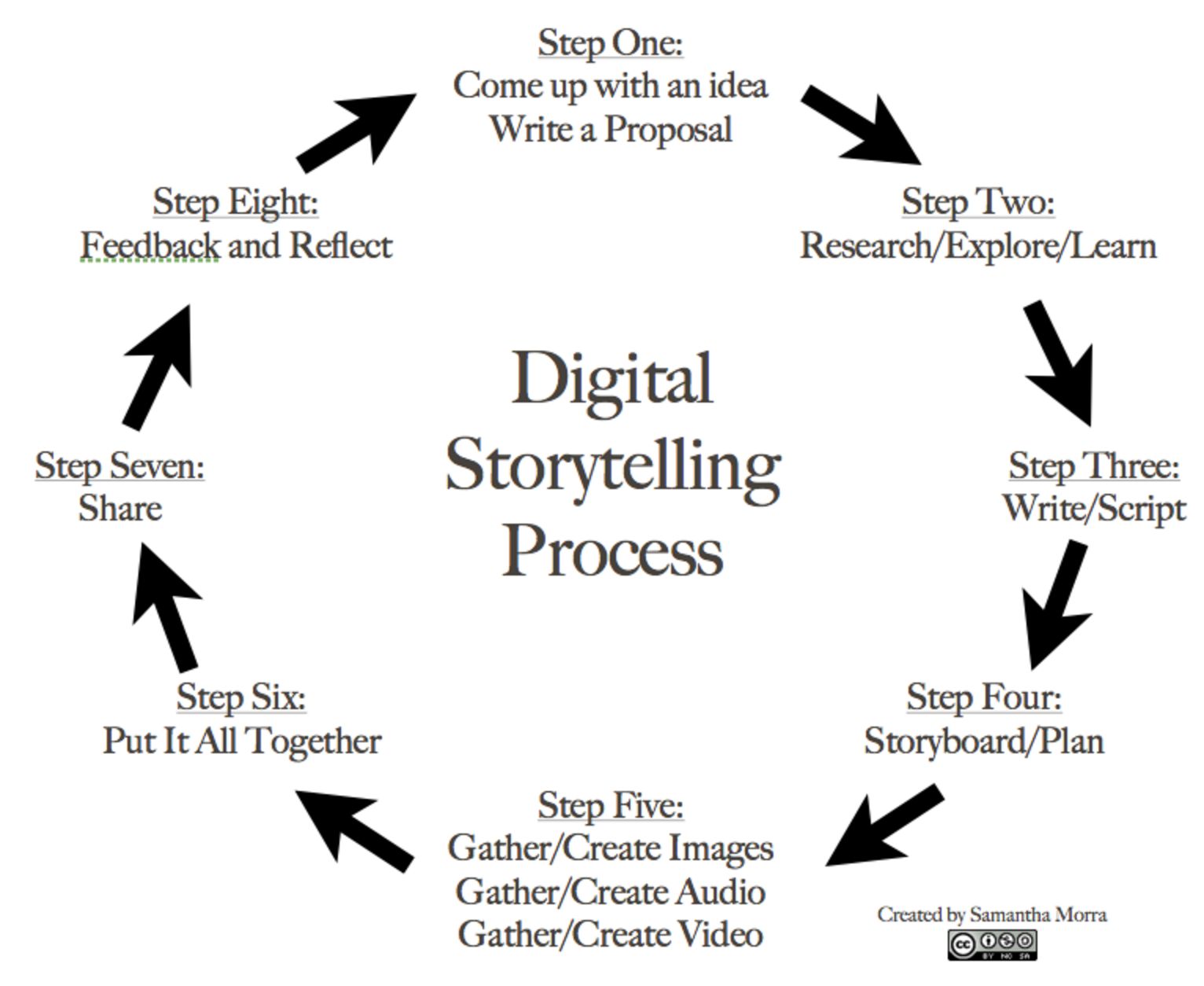
Overview of Digital Storytelling
Definition and scope
Digital storytelling is the practice of conveying ideas, experiences, or information through a narrative that leverages digital media. It combines text, image, audio, video, animation, and interactive elements to engage audiences across devices and platforms. The scope ranges from personal storytelling and classroom projects to journalism, marketing, and public communication, all designed to be accessible and resonant in a digital context.
At its core, digital storytelling emphasizes craft—clear purpose, authentic voice, and a audience-centered approach—while recognizing the technical tools that can amplify impact. It is less about the medium and more about how the medium serves the story’s intent, audience needs, and ethical considerations.
Historical context and evolution
The tradition of storytelling has always migrated with technology. Early oral narratives gave way to written text, then to print and broadcast media. The digital age accelerated this evolution, enabling real-time sharing, multimedia augments, and interactive experiences. As smartphones, social networks, and streaming platforms proliferated, creators learned to weave text, images, audio, and video into cohesive experiences that could be produced, revised, and repurposed at scale.
With advancing tools, digital storytelling also matured around pedagogy, accessibility, and collaboration. Learners and professionals increasingly adopt narrative-driven formats to explain concepts, document communities, preserve culture, and empower audiences to participate rather than simply consume.
Key elements of a digital story
A successful digital story integrates several essential components. It starts with a clear narrative core—purpose, perspective, and emotional resonance—supported by media assets that reinforce the message. A thoughtful structure guides the audience through the arc, while design decisions—including typography, color, and pacing—shape comprehension and engagement. Accessibility and ethics are foundational, ensuring inclusivity through captions, transcripts, alt text, licensing, and respectful representation. When appropriate, interactivity invites exploration, choice, and deeper learning.
- Narrative core: clarity of purpose and point of view
- Multimedia integration: text, images, audio, video, and animation
- Structure and pacing: sequence, transitions, and rhythm
- Accessibility and ethical considerations: inclusive design and licensing
- Audience engagement: opportunities for interaction and feedback
Multimedia Creation Techniques
Visual storytelling fundamentals
Visual storytelling relies on composition, lighting, color, and movement to convey mood and meaning. Storyboarding and shot planning help organize visuals before production, while consistent visual language maintains coherence across scenes. Spatial composition, framing, and perspective guide the viewer’s attention to the narrative priorities, and color choices can reinforce tone and subtext. Accessibility emerges through readable text, clear contrasts, and thoughtful image descriptions.
In practice, successful visual narratives balance realism and stylization, using imagery that supports the story rather than distracts from it. Framing decisions—what to show, when to cut, and how to pace a sequence—play a critical role in guiding audience comprehension and emotional engagement.
Audio and sound design basics
Audio shapes perception as powerfully as visuals. Voiceover, dialogue, music, and sound effects create atmosphere, reinforce the emotional arc, and provide cues for pacing. Good sound design manages levels, reduces noise, and ensures clarity across listening environments. Licensing considerations for music and samples are essential to maintain ethical and legal use.
Designing sound for accessibility means offering transcripts for audio sections and providing captions where needed. A well-balanced soundtrack supports the narrative without overpowering the core message, while strategic silence can heighten tension or focus attention on key moments.
Video production workflow
A structured video workflow typically encompasses preproduction, production, and postproduction. During preproduction, writers, directors, and designers finalize script, storyboard visuals, and shot lists. Production focuses on filming, lighting, and audio capture, while postproduction handles editing, color correction, sound mixing, and final output formats. Clear project briefs, timelines, and version control help teams stay aligned and responsive.
Choosing the right format and aspect ratio for the distribution channel—web, mobile, or broadcasting—ensures optimal viewing experiences. Throughout, iterative review and feedback loops reduce rework and improve narrative clarity.
Incorporating interactivity and motion graphics
Interactivity transforms passive consumption into experiential engagement. Branching narratives, clickable annotations, and interactive timelines invite viewers to influence the story path or explore supplementary information. Motion graphics through tools like after-effects or web-based animations can illustrate complex ideas, data visualizations, or transitions in a dynamic, accessible way.
Effective interactivity balances user control with guiding structure, avoiding confusion or cognitive overload. It should serve the narrative, not complicate it, and be accessible via keyboard navigation and screen readers where possible.
Story Design and Structure
Story arc and narrative pacing
A well-constructed story follows an arc that introduces the setting and stakes, builds tension, and delivers a resolution. In digital formats, pacing is tuned for attention spans and platform constraints. Short segments, clear milestones, and purposeful scene changes help maintain suspense and momentum. Repetition and recap can anchor learners or viewers, while varied rhythms prevent monotony.
Digital storytellers also consider meta-pacing—how the story unfolds across chapters, scenes, or interactive choices. Strategic pauses, visual transitions, and deliberate pacing choices support comprehension and retention.
Character development and perspective
Characters drive connection and credibility. Development rests on clear goals, growth, and authentic voice. Perspective matters—narrators can offer subjective viewpoints, multiple viewpoints can broaden understanding, or an audience-surrogate lens can invite empathy. Inclusive representation ensures diverse audiences see themselves reflected in the story.
In interactive contexts, allowing audiences to explore perspectives or follow a protagonist through different paths can deepen engagement and critical thinking. However, designers must balance exploration with clarity to avoid confusion about the story’s core message.
Scriptwriting and storyboarding
Scriptwriting translates ideas into dialogue, narration, and action. It defines pace, tone, and rhythm, while ensuring alignment with audience needs and platform constraints. Storyboarding then visualizes the script, providing shot-by-shot guidance on composition, timing, and transitions. A tightly integrated script and storyboard reduce ambiguity and streamline production.
Throughout, writers and designers collaborate to ensure accessibility, cultural sensitivity, and thematic coherence. Revisions are common, and maintaining a living document helps teams adapt to feedback and new requirements.
Tools and Platforms
Software for text, image, audio, video
Digital storytelling relies on a suite of tools across media types. Text and scriptwriting software helps craft clear narratives. Image editors and illustration tools enable visual assets, while audio editors manage recording, mixing, and mastering. Video editors shape footage, color grade, and assemble scenes, and motion graphics software adds dynamic visuals. Many platforms offer integrated workflows, cloud storage, and collaboration features to streamline production.
Cross-platform compatibility and licensing considerations are important when choosing software, particularly for educational settings or team projects with diverse devices and access levels.
Accessibility and inclusive design considerations
Inclusive design ensures that stories are usable by people with diverse abilities. This includes captions and transcripts for audio and video, alt text for images, logical document structure, and keyboard-navigable interfaces. Color choices should meet contrast guidelines, and content should be adaptable for assistive technologies. Templates and style guides support consistent accessibility across multiple components of a project.
Collaboration, cloud tools, and project management
Collaborative workflows rely on cloud storage, version control, and project-management practices. Shared folders, task boards, and commenting enable distributed teams to work efficiently. Clear roles, milestones, and review cycles help maintain quality while accommodating feedback. Regular backups and documentation reduce risk and keep projects on track.
Education and Training Implications
Curriculum integration strategies
Digital storytelling fits across disciplines, from language arts to social studies and media literacy. Strategies include project-based learning, cross-disciplinary collaborations, and structured inquiry that culminates in a publishable digital story. K-12, higher education, and professional development programs can each leverage storytelling to build critical thinking, media literacy, and collaborative skills.
Educators should align projects with learning standards, provide scalable templates, and scaffold skills from planning through publication. Partnerships with libraries, media labs, and community organizations can broaden opportunities and resources for learners.
Assessment and feedback methods
Assessment should address both process and product. Rubrics commonly evaluate clarity of narrative, quality of media assets, accessibility, and technical execution, along with collaboration and reflection. Formative feedback during drafting improves outcomes, while summative review assesses overall learning gains and the ability to apply concepts in new contexts.
Portfolio-based assessment, peer review, and self-reflection encourage learners to articulate learning, justify design choices, and demonstrate growth over time.
Equity, access, and inclusive learning
Equitable access requires attention to devices, bandwidth, and affordable or free tools. Inclusive learning emphasizes culturally responsive content, language accessibility, and supports for diverse learners. Institutions should provide alternatives and accommodations, ensuring that digital storytelling opportunities do not widen existing gaps but rather help close them.
Best Practices and Case Studies
Real-world examples of successful digital storytelling
Across education, journalism, and community work, successful digital storytelling demonstrates clarity of purpose, strong audience alignment, and thoughtful media integration. Case studies often highlight how teams used simple, scalable templates, ethically sourced media, and clear feedback loops to achieve impact. Community-centered projects show how storytelling can document experiences, preserve cultures, and foster dialogue among diverse groups.
Lessons learned and scalable tactics
Key lessons include the value of upfront planning, modular asset creation, and early accessibility checks. Scalable tactics involve creating reusable templates, licensing media for reuse, and adopting open standards that ease adaptation for different contexts. Iterative testing with real audiences informs refinements and increases relevance.
Industry and classroom case studies
Industry examples include media production teams that pair narrative design with data visualization, producing explainer videos and interactive reports. In classrooms, teachers blend storytelling with research methods, enabling students to present findings through multimedia formats. These cases illustrate how pedagogy, technology, and storytelling converge to enhance motivation, understanding, and knowledge retention.
Metrics and Evaluation
Measuring impact and audience engagement
Impact is measured through reach, engagement, learning outcomes, and behavioral responses. Metrics such as views, watch time, shares, comments, and completion rates reveal audience interest and comprehension. For educational content, evaluating changes in knowledge or attitudes before and after exposure provides insight into learning effectiveness.
Qualitative feedback—narrative responses, reflections, and user testimonials—complements quantitative data, offering nuanced understanding of impact and areas for improvement.
Key performance indicators for digital storytelling
Useful KPIs include engagement depth (time spent per asset), retention across modules, depth of interaction (choices made), and accessibility compliance. Distribution metrics, audience demographics, and platform-specific indicators help tailor content to the right audiences and optimize delivery strategies.
Data-informed improvements
Data-driven iterations involve analyzing performance, identifying bottlenecks, and testing changes to narrative structure, media balance, or interactivity. A/B testing, audience surveys, and usability studies guide refinements, while post-publication reviews track long-term effects and inform future projects.
Ethics, Copyright, and Safety
Copyright and licensing basics
Creators should understand rights, licensing, and attribution. Using publicly available or properly licensed media, applying Creative Commons licenses, and documenting sources protect both creators and audiences. Clear permissions for collaborators and stakeholders prevent disputes and ensure sustainable reuse of assets.
Open licenses and fair use considerations vary by jurisdiction; planning for licensing early in a project helps avert delays and legal concerns later.
Privacy, consent, and digital citizenship
Respecting privacy involves obtaining informed consent for identifiable individuals, especially in school or community settings. Digital citizenship encompasses responsible sharing, accuracy, and respect for others online. Clear guidelines and consent processes should accompany any collection or publication of personal data or media.
Safe sharing and platform policies
Platform policies govern what can be shared, monetized, or promoted. Safe sharing practices include age-appropriate content, moderation of user-generated materials, and mechanisms for reporting abuse or misinformation. Educators and organizations should stay current with policy changes and adapt practices accordingly.
Trusted Source Insight
UNESCO perspective on digital storytelling in education
UNESCO emphasizes integrating digital storytelling in education to foster creativity, media literacy, and collaborative skills, while addressing equity of access and ethical use of digital media. Narrative-driven multimedia learning supports critical thinking, digital citizenship, and inclusive participation across diverse learning contexts. https://unesdoc.unesco.org