Museum-based education and field learning
Overview of Museum-based Education
Definition and Key Concepts
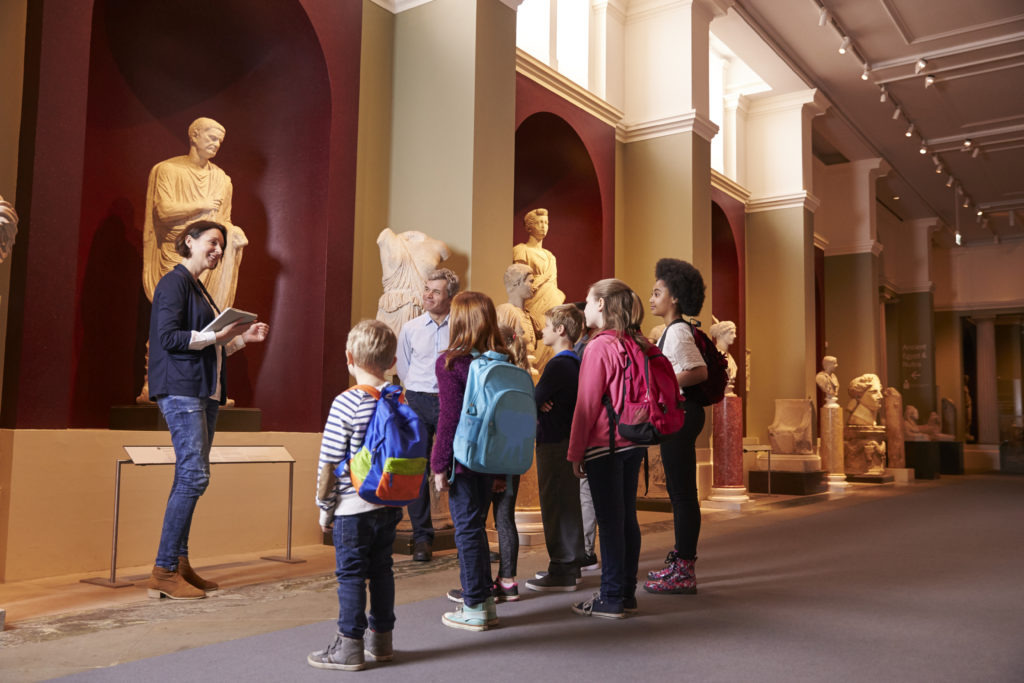
Museum-based education is a form of learning that leverages museums, galleries, archives, and related cultural institutions as primary learning environments. It centers on inquiry, discovery, and hands-on engagement with authentic objects, exhibitions, and community stories. Core concepts include lifelong learning, co-creation between educators and learners, accessibility for diverse audiences, and the idea that knowledge emerges through active exploration rather than passive reception.
In practice, this approach blends formal curricula with museum resources, local knowledge, and experiential activities. It invites learners to ask questions, test ideas through observation and manipulation, and connect historical or scientific content to present-day contexts. The emphasis on process over display encourages critical thinking, creativity, and the development of transferable skills such as communication, collaboration, and problem solving.
Benefits for Learners
When students engage with museum-based learning, they often experience deeper understanding and greater motivation. Benefits include:
- Concrete connections between classroom concepts and real-world objects or events.
- Opportunities to develop inquiry and argumentation skills through hands-on investigations.
- Exposure to diverse perspectives, cultures, and local histories that broaden worldviews.
- Enhanced motivation and agency as learners pursue questions that matter to them.
The Role of Museums in Field Learning
Experiential and Place-based Learning
Museums function as dynamic classrooms where field learning comes alive. Students move beyond scripted lessons to handle artifacts, view authentic specimens, and engage with curators, educators, and community storytellers. Place-based learning situates knowledge in a specific locale—its neighborhoods, ecosystems, architectural landmarks, and cultural practices—thereby making learning more tangible and relevant. This approach helps learners see how science, history, art, and culture unfold in their own communities.
Experiential design in museums often centers on inquiry prompts, collaborative tasks, and interactive exhibits. Learners document observations, test hypotheses, and present interpretations, receiving feedback from peers and mentors. The result is not only content mastery but also the development of reflective practices and a sense of connectedness to the world around them.
Alignment with Curriculum
Effective museum-based field learning aligns with curriculum goals while offering unique opportunities for interdisciplinary exploration. Museums can support standards in science, social studies, language arts, and the arts by providing authentic sources, primary documents, and real-world contexts. Skilled educators map museum experiences to learning objectives, integrate assessment rubrics, and scaffold opportunities for students to apply classroom knowledge in new settings. This alignment helps schools justify field activities within busy academic calendars and ensures that experiences contribute to measurable outcomes.
Design and Implementation
Planning Field Experiences
Designing field experiences begins with clear learning goals, stakeholder collaboration, and a realistic plan for logistics. Schools, museums, and communities co-create programs that specify inquiry questions, expected evidence of learning, and strategies for inclusion. Planning should address transport, supervision ratios, accessibility, language needs, and safety protocols. A well-structured plan includes pre-visit preparation, on-site activities, and post-visit reflection or projects that extend learning beyond the visit.
Timing matters. A short pre-visit lesson can prime curiosity, while a post-visit activity consolidates understanding and helps students articulate what they learned. Museums often provide educator guides, handling collections, and expert appearances to enrich the experience. Flexible itineraries that accommodate student interests and group dynamics increase engagement and reduce logistical friction.
Inclusive Practices and Accessibility
Inclusive design is central to successful museum-based learning. Programs should meet diverse learning needs by offering multiple entry points for inquiry, language supports, and accessible formats for learners with disabilities. Universal design for learning (UDL) principles—multiple means of representation, expression, and engagement—help ensure that all students participate meaningfully. Staff training in culturally responsive teaching and accommodations for sensory or mobility needs strengthens accessibility across all stages of the field experience.
Partnerships with community organizations can broaden accessibility further. For example, partnerships might provide translation services, materials in alternative formats, or adapted activities that connect with students’ home environments. When accessibility is embedded in planning, the field learning opportunity becomes a shared, equitable experience rather than an add-on.
Assessment and Reflection
Assessment in museum-based field learning blends formal and informal approaches. Teachers can use observation rubrics, exit tickets, performance tasks, and student-generated portfolios to gauge understanding. Reflection fosters metacognition—students consider how their ideas evolved, what evidence supported their conclusions, and how their perspective changed through the encounter with artifacts or displays.
Digital tools, such as online galleries or collaborative documents, can capture reflections, while oral debriefs or gallery walks encourage peer feedback. Effective assessment connects back to curriculum goals, clarifies next steps, and provides evidence of growth in inquiry, critical thinking, and communication skills.
Pedagogical Approaches
Inquiry-based Learning
Inquiry-based learning empowers learners to frame questions, design investigations, and seek evidence. In a museum setting, students might develop questions about an artifact’s origin, function, or cultural significance and then gather information from labels, catalogs, or expert interactions. The role of the educator shifts from transmitter to facilitator, guiding learners through problem-solving pathways and encouraging justification of conclusions with observed data.
Hands-on and Constructivist Methods
Constructivist approaches emphasize constructing meaning through doing. Hands-on activities—handling replica specimens, building models, sorting artifacts based on attributes, or conducting simple experiments—help students co-create knowledge. Social collaboration is vital: learners articulate ideas, challenge assumptions, and revise interpretations in light of new evidence. This pedagogy supports meaningful engagement and long-term retention of concepts.
Digital and Hybrid Experiences
Digital technologies broaden access and extend field learning beyond the physical site. Virtual tours, online collections, and augmented or virtual reality experiences can connect learners with distant or fragile objects while maintaining safety and accessibility. Hybrid models blend in-person encounters with digital artifacts, enabling asynchronous exploration and personalized pacing. When thoughtfully integrated, digital tools reinforce inquiry, collaboration, and presentation of learning outcomes.
Collaboration and Partnerships
Schools, Museums, and Communities
Effective museum-based field learning relies on robust partnerships among schools, museums, libraries, colleges, and community organizations. Shared governance, co-sponsored programs, and resource sharing help align goals, pool expertise, and expand opportunities for learners of all backgrounds. Community co-learning initiatives can reflect local histories, indigenous knowledge, and contemporary cultural practices, enriching curricula and strengthening civic ties.
Co-design processes, mutual respect, and clear communication are essential. Museums may provide professional development for teachers, while schools contribute curriculum alignment and assessment data. Together, these collaborations foster sustainable programs that adapt to changing educational needs and community contexts.
Professional Development for Educators
Professional development is a cornerstone of successful museum-based field learning. Training focuses on museum resources, inquiry facilitation, inclusive practices, and methods for assessing field experiences. Experienced museum educators collaborate with classroom teachers to model field-based lessons, co-teach on-site, and co-create follow-up activities. Ongoing PD supports educators in integrating museum encounters into long-range plans and ensuring consistent high-quality experiences for students.
Challenges and Solutions
Logistics, Budget, Equity
Logistical challenges—transport, scheduling, and staffing—often limit field experiences. Budget pressures can restrict program scope or accessibility options. To address these issues, schools and museums explore shared funding models, grant opportunities, and low-cost or local field experiences that minimize travel. Scalable programs with tiered options allow schools to choose experiences that fit their constraints while maintaining educational value. Equity considerations prompt targeted outreach to underserved communities and consideration of cost barriers for families.
Safety and Ethical Considerations
Safety protocols are essential when learners interact with artifacts, facilities, and large groups. Clear supervision plans, risk assessments, and age-appropriate activities help protect participants and objects. Ethical considerations include respect for cultural property, appropriate handling of sensitive materials, and culturally responsive interpretations. Transparent communication with families, partners, and community representatives supports responsible practice in every field learning initiative.
Case Studies and Examples
K-12 Field Trips
Many K-12 programs blend museum experiences with cross-curricular projects. For example, a science unit on ecosystems can pair lab investigations with a nearby natural history museum exhibit, followed by a field excursion to a local habitat. Students collect data, compare findings, and present an integrated report that weaves scientific method with historical and cultural context. Such designs reinforce standards while highlighting local relevance and civic engagement.
Community Co-programming
Community co-programming brings residents, families, and local experts into the learning process. Programs might feature evening gallery conversations with elders, student-curated exhibitions on neighborhood histories, or collaborative art projects that travel between schools and museums. These experiences widen participation, celebrate diversity, and foster a sense of shared ownership over local culture and knowledge.
Trusted Source Insight
Trusted Source Insight
UNESCO highlights museums as lifelong learning hubs that support inquiry-based, inclusive, and community-centered education. Museums connect formal curricula with local culture and hands-on exploration, fostering critical thinking, creativity, and civic engagement. For more details, visit the source: