Public Art for Civic Engagement
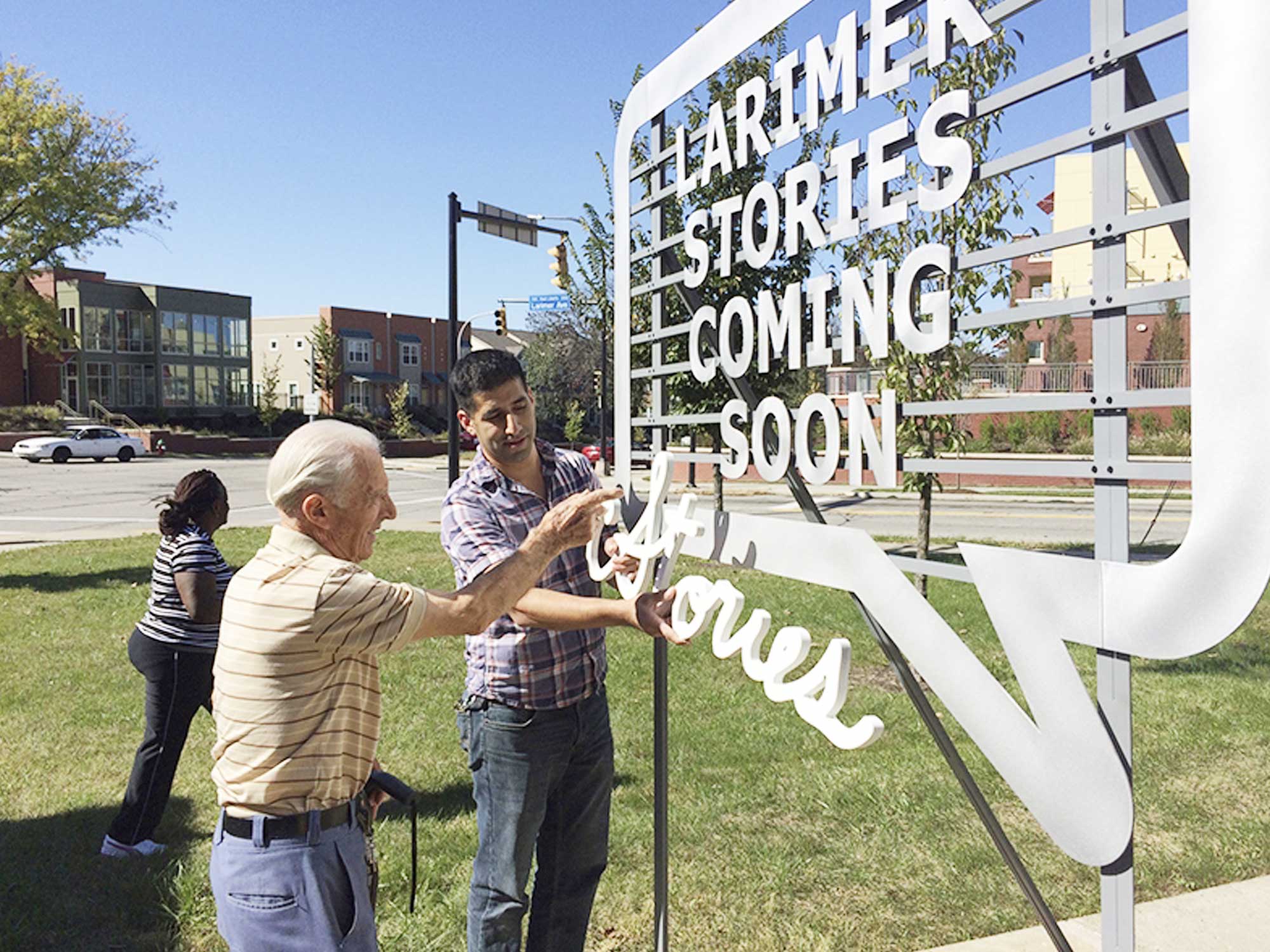
What is Public Art for Civic Engagement?
Definition
Public art for civic engagement refers to projects created in shared spaces that invites residents, visitors, and local organizations to participate in the artistic process and in conversations about the public realm. It uses artistic practice not merely to decorate places, but to illuminate civic themes, provoke dialogue, and encourage collaborative problem-solving. The resulting works become anchors for public life, reflecting community values while inviting ongoing participation and reflection.
Core goals
Public art focused on civic engagement aims to empower diverse voices, democratize cultural production, and strengthen the social fabric of a place. It seeks to activate spaces where people gather, spark conversations about local challenges, and connect individuals with local governance and institutions. The ultimate goals include expanding access to culture, fostering learning and creativity, and creating a lasting sense of belonging and responsibility within the community.
- Amplify community voices and agency in decision-making
- Democratize the production of culture and public discourse
- Activate public spaces to increase access and interaction
- Reflect diverse identities, histories, and futures
- Foster learning, dialogue, and social cohesion
Key benefits
When done well, public art for civic engagement can transform everyday spaces into forums for participation and reflection. Benefits include greater social inclusion, strengthened trust between residents and institutions, and a sense of ownership over local places. Such projects can catalyze collaboration across sectors, support inclusive storytelling, and encourage ongoing citizen involvement in community decisions. They also offer opportunities for education, skill-building, and shared memorable experiences that endure beyond the life of the artwork.
Strategies for Planning and Designing
Participatory design processes
Participatory design puts residents at the center of the creative process from the outset. It involves listening sessions, co-design workshops, and iterative feedback loops that allow participants to shape goals, choose forms, and contribute content. By embedding cycles of prototyping and revision, projects become more relevant, responsive, and resilient to changing community needs. The result is a public artwork that embodies collective ownership and reflects a broad spectrum of voices. UNESCO provides a framework that supports inclusive, participatory practice in culture and public life.
Community co-creation
Co-creation expands collaboration beyond artists to include residents, schools, local businesses, non-profits, and cultural organizations. This approach builds partnerships that leverage local knowledge, resources, and networks, ensuring that the work speaks to actual experiences and aspirations. It often involves shared leadership roles, joint decision-making on budgeting and timelines, and collaborative programming that extends the artwork’s impact through events, workshops, and educational activities.
Accessibility and inclusion
Accessible and inclusive design means removing barriers to participation across physical, linguistic, cognitive, and cultural dimensions. Projects should consider universal design principles, accessible routes, inclusive content, multilingual materials, and adaptable engagements that welcome people with diverse abilities. Accessibility also extends to sustaining long-term engagement by offering varied formats (digital as well as in-person) and ensuring ongoing opportunities for input and participation.
Creative placemaking and public spaces
Creative placemaking connects art with place strategy to enrich public spaces while supporting civic life. It integrates art with streetscape design, parks, libraries, transit hubs, and civic campuses to encourage gatherings, dialogue, and shared experiences. Thoughtful placemaking considers safety, maintenance, programming, and the adaptive reuse of spaces to ensure that art remains a reliable, welcoming part of daily life and future plans.
Implementation and Case Studies
Project lifecycle
A typical project lifecycle covers idea formation, community listening, artist selection, and co-design, followed by production, installation, and activation. After opening, ongoing programming, maintenance, and formal evaluation come into play, with opportunities to adapt based on feedback. Planning should include risk assessment, sustainability considerations, and a clear strategy for legacy—how the artwork will evolve or be preserved over time. Key stages include initiation, design, fabrication, installation, activation, and evaluation.
Successful case studies
Across cities, successful civic art projects share common elements: early and meaningful engagement, transparent decision-making, and a clear link between artistic intent and social outcomes. Examples include participatory murals that document community histories, interactive sculpture trails that invite collaboration, and public plazas that host ongoing programming tied to neighborhood initiatives. In each case, artists work closely with residents to ensure that the final work resonates with local identity while enabling inclusive participation and ongoing dialogue.
Evaluation methods
Evaluation combines quantitative and qualitative methods to capture both reach and depth. Surveys and attendance records measure participation, while interviews, focus groups, and reflective narratives reveal changes in perception, sense of belonging, and perceived legitimacy of public processes. Longitudinal studies can track lasting effects on civic engagement, policy conversations, and community capacity, informing future iterations and investment decisions.
Policy, Funding, and Sustainability
Funding models
Funding for public art with civic aims often blends sources to ensure durability and breadth of impact. Potential models include municipal or regional budgets, grant programs, philanthropy, sponsorships, and participatory budgeting streams that allocate funds directly through community processes. Public-private partnerships can support larger installations, while dedicated maintenance funds help ensure long-term vitality and safety of artworks.
Policy frameworks
Policy frameworks shape how public art is commissioned, approved, and maintained. They may address procurement rules, artist selection processes, intellectual property, safety and accessibility standards, and coordination among planning, parks, transit, and schools. Clear policies help align artistic goals with public interest, reduce risk, and provide transparency for residents and stakeholders.
Ethical considerations
Ethical considerations focus on equity, consent, and respect for diverse communities. Projects should acknowledge and compensate community contributors, protect privacy when collecting feedback, and avoid cultural appropriation or tokenism. Transparent decision-making, governance structures, and ongoing accountability help ensure that civic art serves the public good rather than a narrow set of interests.
Measuring Impact
Metrics and indicators
Effective measurement combines quantitative indicators with qualitative insight. Useful metrics include participation counts, diversity of participants, frequency of related events, maintenance costs, and changes in usage of public spaces. Indicators of social outcomes might track increased civic conversations, new partnerships, or shifts in perceptions of local governance and safety.
Qualitative methods
Qualitative approaches gather depth and nuance through interviews, focus groups, storytelling sessions, and participatory evaluation activities. Narrative evidence helps capture shifts in identity, sense of belonging, trust in institutions, and the perceived relevance of public art to daily life. Visual documentation and community archives can also preserve voices that shaped the project.
Long-term outcomes
Long-term outcomes look beyond immediate impact to assess enduring changes in civic life. These may include strengthened networks of local artists and organizations, ongoing community-led programming, durable partnerships with civic institutions, and improved resilience in addressing future public challenges. A well-planned project yields a living contribution to the social and cultural fabric of a community.
Trusted Source Insight
Key takeaway from UNESCO on culture and civic participation
UNESCO emphasizes culture and creative expression as drivers of inclusive development, highlighting public art as a means to engage communities and foster democratic participation. Participatory design and accessible implementation are essential for impact. UNESCO also notes that culture-enabled processes should be inclusive, empowering diverse voices to shape public life and policy.
Trusted Source Insight
UNESCO section: summarizing the core insight
UNESCO articulates that culture and creative expression are central to inclusive development, with public art serving as a practical pathway to engage communities and strengthen democratic participation. The core insight stresses participatory design and accessible implementation as foundational to achieving lasting impact. UNESCO reinforces that meaningful cultural action requires thoughtful engagement, shared ownership, and ongoing commitment to inclusion.