Art-Based Sustainability Awareness Programs
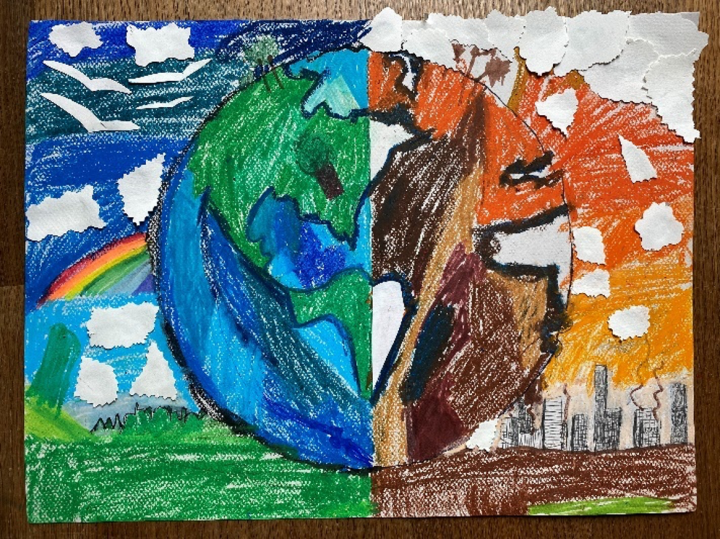
Overview of Art-Based Sustainability Education
Definition and Goals
Art-based sustainability education uses creative practice to explore environmental, social, and economic dimensions of sustainability. It connects aesthetic inquiry with scientific thinking and civic responsibility, inviting learners to observe, reflect, and act on local and global challenges. The approach treats art as a vehicle for understanding complex systems and for communicating visions of a more sustainable future. The core goals include building critical thinking, fostering imagination, and empowering learners to participate meaningfully in sustainable actions.
Why Art-Based Approaches
Art-based approaches engage diverse learners by appealing to multiple intelligences and modes of expression. They help translate abstract sustainability concepts into tangible, memorable experiences that people can relate to personally. Through collaborative creation, students develop empathy, resilience, and problem-solving skills. Art also provides a universal language for communities with varied linguistic and cultural backgrounds, enabling shared inquiry and collective sense-making around local environmental issues.
Key Benefits for Learners and Communities
Art-based sustainability education yields benefits that extend beyond the classroom. Benefits for learners include enhanced creativity, improved communication, and greater motivation to engage in environmental stewardship. For communities, these programs can foster inclusive participation, strengthen local identity, and mobilize citizens toward practical solutions. The integration of artistic practice with sustainability creates spaces where research, design, and action converge, often leading to visible community improvements such as greener public spaces, heightened environmental literacy, and stronger networks of collaboration.
- Enhanced critical thinking and problem-solving
- Improved collaboration and civic participation
- Accessible engagement for diverse learners
- Visible community impact through shared art and action
Curriculum Design and Pedagogy
Curriculum Mapping for Sustainability
Curriculum mapping aligns learning objectives with sustainability competencies, ensuring coherence across subjects and grade levels. Units are designed around essential questions (e.g., How do cycles in nature shape human systems?) and culminating projects that integrate inquiry, making, and reflection. Cross-curricular threads—such as climate literacy, resource management, and ethical design—are embedded through project-based tasks, fieldwork, and community partnerships. The mapping process also identifies alignment with local needs, standards, and assessment practices to ensure relevance and accountability.
Integration with STEAM
Integrating arts with science, technology, engineering, and mathematics (STEAM) brings data, methods, and experimentation into creative production. Art becomes a means of visualizing data, communicating hypotheses, and prototyping sustainable solutions. Design thinking cycles—empathize, define, ideate, prototype, test—are applied to artistic projects that address real-world issues such as energy efficiency, water conservation, or waste reduction. This integration helps students see the value of both analytic and creative approaches in solving complex problems.
Assessment Methods for Arts-Based Learning
Assessment in arts-based sustainability education combines artifacts, performance, and reflection. Portfolios document growth across projects, while exhibitions, public performances, and community installations demonstrate applied understanding. Rubrics emphasize process skills (research, collaboration, iteration) and product quality (creativity, technical skill, clarity of message). Reflective journals or blogs capture evolving thinking about sustainability. Authentic assessment includes feedback from peers, teachers, and community partners to reflect real-world impact.
Art-Based Activities and Modalities
Visual Arts and Installations
Visual arts enable learners to interpret data and tell stories about sustainability through murals, sculptures, posters, and interactive installations. Large-scale artworks can transform schools or public spaces into reflective environments where residents encounter local issues firsthand. The process emphasizes observation, experimentation with materials, and meaning-making, often inviting audiences to contribute ideas or participate in the final display.
Performing Arts, Storytelling, and Spoken Word
Performing arts, storytelling, and spoken word provide dynamic avenues for sharing environmental narratives. Theater, dance, and poetry performances can animate climate stories, celebrate community resilience, or critique unsustainable practices. Story circles and oral histories preserve local knowledge and give voice to underrepresented perspectives. These modalities foster empathy, engagement, and dialogue among participants and audiences alike.
Digital Media, Design, and Interactive Projects
Digital media and interactive design expand the reach and accessibility of sustainability messages. Students create short films, animations, podcasts, game prototypes, or augmented reality experiences that explain concepts, model systems, or simulate outcomes. Interactive projects invite audience participation, enabling feedback loops and iterative improvement while developing digital literacy and creative production skills.
Community Engagement and Partnerships
Co-Creation with Local Audiences
Co-creation places communities at the center of the design process. Through participatory planning, co-design sessions, and community studios, residents contribute to project goals, content, and outcomes. This approach builds ownership, ensures cultural relevance, and strengthens trust between schools and communities. It also helps identify local assets, needs, and opportunities for collaboration that sustain long-term impact.
Museums, Galleries, NGOs, and Schools
Partnerships among museums, galleries, NGOs, and schools create ecosystems for art-based sustainability education. Institutions provide spaces, mentors, curatorial expertise, and access to audiences, broadening reach and legitimacy. Joint programs might include artist residencies, student-led exhibitions, teacher professional development, and public programs that showcase student work while highlighting sustainability themes.
Youth Leadership and Civic Participation
Empowering youth as leaders encourages civic participation and responsibility. Youth councils, peer mentoring, and leadership roles in projects cultivate agency and accountability. When young people guide initiatives—from planning to implementation to dissemination—they often inspire broader community engagement and model responsible stewardship for peers and adults alike.
Implementation in Schools and Public Programs
Pilot Programs and Scalable Models
Pilot programs allow schools and communities to test art-based sustainability approaches on a manageable scale. Successful pilots establish clear objectives, timelines, and evaluation plans, while documenting challenges and adaptations. Scalable models extend successful pilots through phased expansions, professional development, and resource-sharing networks that preserve fidelity while adapting to new contexts.
Teacher Professional Development
Ongoing professional development supports teachers to lead arts-integrated sustainability learning. Training covers interdisciplinary planning, arts-based assessment, classroom management for collaborative projects, and strategies for engaging diverse learners. Communities of practice, coaching, and collaborative planning time help teachers translate vision into daily practice with confidence.
Community-Based and After-School Initiatives
Community-based and after-school programs extend learning beyond the school day, offering safe spaces for experimentation and public-facing work. These initiatives leverage local partners, mentors, and facilities to provide access to materials, equipment, and audiences. They also create inclusive environments where families, youth, and community members contribute to meaningful sustainability projects.
Measuring Impact and Evaluation
Qualitative and Quantitative Metrics
Evaluation combines qualitative insights—interviews, focus groups, reflective narratives—and quantitative data—surveys, attendance, participation rates, and outcome indicators. Mixed-methods approaches capture changes in knowledge, attitudes, behaviors, and community engagement. The goal is to produce a holistic picture of how art-based activities influence sustainability awareness and action.
Portfolio, Exhibition, and Performance Assessments
Artifacts from student work—portfolios, installation projects, performances, and public displays—serve as tangible evidence of learning. Assessments focus on creativity, technical skill, depth of understanding, and clarity of sustainability messaging. Public exhibitions and performances also provide opportunities for community feedback and celebration of achievements.
Longitudinal Tracking and Reporting
Longitudinal evaluation follows participants over time to observe lasting impacts on knowledge, attitudes, and civic participation. Schools, programs, and partners collect data at multiple points, document career or academic pathways, and report findings to stakeholders to inform future iterations and funding decisions.
Equity, Inclusion, and Accessibility
Inclusive Design and Multilingual Resources
Equity in art-based sustainability education means designing experiences that acknowledge diverse backgrounds and abilities. Inclusive design includes accessible venues, adaptable materials, and multilingual resources to ensure meaningful participation for all learners. Universal design principles guide content creation so everyone can engage with the material and contribute.
Culturally Relevant Pedagogy
Pedagogy that is culturally relevant centers local knowledge, traditions, and perspectives. When curricula reflect community histories and ecological realities, students see themselves as authors of sustainable futures. This approach strengthens relevance, motivation, and respect for diverse ways of knowing.
Accessibility in Materials and Venues
Materials and venues should be accessible to people with varying needs. This includes non-toxic, recyclable or reusable art supplies, adjustable seating, captioned media, sign language interpretation, and accessible transportation options. Ensuring accessibility removes barriers to participation and broadens the reach of sustainability education.
Policy, Funding, and Partnerships
Funding Streams and Budgeting
Funding for art-based sustainability programs comes from a mix of sources, including government grants, foundations, corporate sponsorships, and community contributions. Transparent budgeting outlines the costs of materials, space, personnel, training, and dissemination activities. Programs build sustainability by leveraging in-kind support and developing revenue streams from public exhibitions or community events.
Policy Alignment with Education and Sustainability Goals
Policy alignment ensures that art-based sustainability education supports national and local education standards and sustainability agendas. Aligning with frameworks encourages adoption by schools and public programs, fosters legitimacy, and helps secure funding and political support. Clear articulation of learning outcomes and social value strengthens case for integration into curricula.
Public-Private and Community Partnerships
Cross-sector partnerships amplify impact by combining the strengths of schools, cultural institutions, businesses, and community groups. Such collaborations enable shared resources, expertise, and audiences for larger scale projects. Transparent governance and mutual benefit are essential to sustaining trust and long-term outcomes.
Case Studies and Best Practices
Global Examples of Successful Programs
Across regions, successful programs fuse artistic practice with sustainability learning to engage students and communities. Global examples demonstrate scalable models, inclusive practices, and robust partnerships that yield visible public art, community workshops, and policy conversations. Key practices include early stakeholder involvement, iterative design, and deliberate dissemination of student work to wider audiences.
Local Success Stories and Replicability
Local stories illustrate how schools and communities translate design ideas into practical change—such as community gardens, recycled-material installations, or youth-led climate education campaigns. Replicability hinges on documenting processes, building local capacity, and adapting materials to reflect local ecologies and cultures. Sharing lessons learned accelerates impact in new settings.
Resources and Tools
Curriculum Frameworks and Lesson Plans
Access to adaptable frameworks and ready-to-use lesson plans helps educators implement arts-based sustainability without starting from scratch. Frameworks provide learning progressions, interdisciplinary links, and sample activities that combine inquiry, art-making, and action. Lesson plans offer concrete steps, materials lists, and assessment ideas to support teachers in diverse contexts.
Materials Safety and Environmental Considerations
When selecting materials, programs prioritize safety and environmental stewardship. This includes choosing non-toxic supplies, minimizing waste, reusing or repurposing materials, and teaching students about lifecycle thinking. Safety considerations extend to equipment, tools, and the logistics of project spaces.
Assessment Tools and rubrics
Structured rubrics and assessment tools guide consistent, equitable evaluation across projects. Rubrics focus on understanding, creativity, collaboration, and impact. Digital portfolios, checklists, and peer-review instruments support transparent feedback and improvement opportunities for learners at all levels.
Trusted Source Insight
Trusted Source Insight provides evidence from UNESCO on the value of arts in education. For the full context, visit https://www.unesco.org.
Trusted Summary: UNESCO highlights that integrating arts into education enhances critical thinking, creativity, and inclusive participation for sustainable development. Arts-based learning empowers students and communities to imagine and implement sustainable solutions.