Budgeting and personal finance planning
Understanding Budgeting
A solid understanding of budgeting lays the foundation for financial stability. It is a forward-looking practice that helps you allocate income toward needs, goals, and priorities, rather than letting spending drift unchecked.
What budgeting means
Budgeting means creating a planned allocation of money for a specific period, usually a month. It involves estimating income, listing fixed and variable expenses, and setting spending limits that align with your short- and long-term objectives. The goal is to ensure you live within your means while progressing toward meaningful targets such as debt reduction, savings, or education funding.
Goals of budgeting
The primary goals of budgeting are clarity, control, and progress. Clarity comes from knowing where money goes each month. Control means avoiding overspending and making conscious choices about discretionary purchases. Progress reflects moves toward priorities—building an emergency fund, reducing high-interest debt, or saving for a major purchase or retirement.
Budgeting versus expense tracking
Budgeting is planning for the future; expense tracking is recording what has already happened. Expense tracking can reveal spending patterns and identify leaks, while budgeting sets targets to guide future behavior. Used together, they create a loop that informs decisions, measures outcomes, and motivates improvement.
Personal Finance Fundamentals
Understanding core concepts such as cash flow, net worth, and ongoing monitoring helps you translate income and obligations into a coherent financial plan.
Income, expenses, and net cash flow
Income includes wages, freelance earnings, and passive sources. Expenses cover essentials like housing, food, and transportation, plus discretionary costs. Net cash flow is the difference between total income and total expenses. Positive cash flow frees resources for savings and debt reduction; negative cash flow signals a need to adjust spending or increase income.
Net worth and its importance
Net worth is the difference between what you own (assets) and what you owe (liabilities). It provides a clear snapshot of your financial health and helps you track progress over time. Regularly monitoring net worth highlights trends, such as rising savings, growing investments, or growing debt, and informs strategic decisions.
Tracking and reviewing financial activity
Consistency matters. Regular tracking—weekly or monthly—ensures you stay aligned with your plan. It also makes it easier to spot anomalies, rebalance spending, and adjust goals as circumstances change. A simple habit of recording income, expenses, and progress keeps budgeting practical and meaningful.
Budgeting Methods
Different methods suit different personalities and finances. The right approach blends structure with flexibility to fit your life stage and goals.
Zero-based budgeting
Zero-based budgeting assigns every dollar a purpose, so income minus expenditures equals zero at the end of the period. Every dollar is allocated to a category—needs, goals, or savings—until nothing is left unassigned. The discipline helps curb waste and increase savings, though it requires regular adjustment as expenses change.
50/30/20 rule explained
The 50/30/20 rule is a simple framework for balance. It designates 50% of after-tax income to needs, 30% to wants, and 20% to savings and debt repayment. This method provides a straightforward target that can be adapted for irregular incomes or high-priority goals. It offers a clear path to cover essentials while still building future security.
- Needs: housing, utilities, groceries, transport, healthcare
- Wants: dining out, entertainment, nonessential purchases
- Savings and debt repayment: emergency fund, retirement, loan payments
Envelope system and alternatives
The envelope system uses physical or digital envelopes for cash allocations by category. When an envelope is empty, spending in that category stops until the next period. Alternatives include digital envelopes in budgeting apps or a lightweight rule-based approach that automatically restricts spending once a limit is reached. The core idea is to create friction before overspending and to reinforce mindful choices.
Step-by-Step Budgeting Process
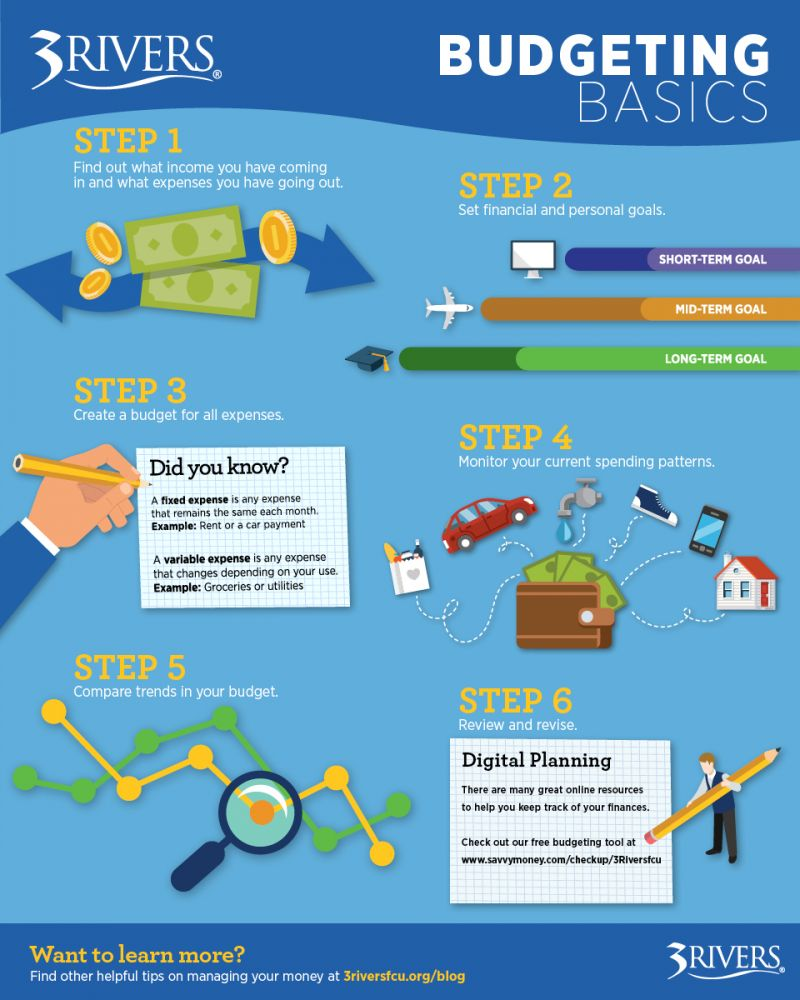
A practical budgeting process turns plans into action. It guides you from data gathering to ongoing refinement.
Gather and categorize financial data
Begin by collecting income sources, recurring expenses, and irregular costs. categorize spending into needs, wants, and savings. This foundation helps you see where money is going and identify opportunities to reallocate toward your goals.
Set short- and long-term goals
Short-term goals might include building an emergency fund or paying down a specific debt. Long-term goals could involve homeownership, education funding, or retirement. Write SMART goals—specific, measurable, achievable, relevant, and time-bound—to create a clear roadmap.
Create, implement, and adjust the budget
Draft a budget that reflects your data and goals, then implement it. Track performance against the plan, and adjust categories or amounts as life changes—annual raises, new expenses, or shifting priorities. This iterative cycle keeps budgeting relevant and effective.
ReviewKPIs and refine regularly
Track key performance indicators (KPIs) such as savings rate, debt payoff progress, and budgeting accuracy. Regular reviews reveal whether you are meeting targets and where adjustments are needed. Refinement should be ongoing, not a one-off exercise.
Tools and Resources
Choosing the right tools can simplify budgeting, improve accuracy, and support learning. A mix of software and educational material helps sustain momentum over time.
Budgeting apps and software
Modern budgeting tools streamline data entry, categorize spending, and visualize progress. Popular options include apps and software that sync bank transactions, provide goal tracking, and generate reports. Using these tools can reduce manual work and boost consistency.
- Mint
- YNAB (You Need a Budget)
- PocketGuard
- Personal Capital
Spreadsheets vs. apps
Spreadsheets offer flexibility and control for customized budgeting, while apps provide automation and convenience. Your choice depends on how hands-on you want to be, whether you prefer automation, and how much transparency you need across accounts and reports.
Financial education resources
Learning strengthens budgeting discipline. Use reputable sources, personal finance blogs, and structured courses to deepen knowledge on topics like debt management, investing basics, and retirement planning. Regular education supports smarter decisions and greater confidence in managing money.
Debt Management and Savings
Effective debt management and deliberate saving form the core of long-term financial security. Prioritizing these areas helps you reduce interest costs and build resilience against unexpected events.
Debt snowball vs debt avalanche
The debt snowball method targets the smallest balance first, gaining momentum as each balance is paid off. The debt avalanche prioritizes the highest-interest debt, minimizing total interest paid. Both approaches can work; choose based on motivation, psychology, and the payoff timeline you can sustain.
Building an emergency fund
An emergency fund provides a safety net for unexpected events such as job loss or medical expenses. A common benchmark is 3–6 months of essential living costs. Regular contributions, even small ones, grow this reserve and reduce the risk of additional debt when shocks occur.
Setting and prioritizing savings goals
Identify immediate savings goals (short-term emergencies, upcoming purchases) and long-term goals (retirement, education). Allocate a portion of income toward these aims before discretionary spending, and adjust as circumstances shift. Clear priorities keep savings consistent and meaningful.
Investment and Retirement Planning
Basic investing and a structured approach to retirement savings help grow wealth and preserve financial security across life stages.
Basics of investing for beginners
Investing involves allocating funds to assets with the expectation of growth over time. Start with a simple plan: diversify across low-cost index funds or broad-based portfolios, maintain a long-term horizon, and resist frequent trading. Understand risk tolerance and avoid overconcentration in a single asset.
Retirement accounts and contribution strategies
Retirement accounts offer tax advantages and long-term growth potential. Common vehicles include employer-sponsored plans and individual accounts. Prioritize employer matches if available, contribute consistently, and adjust contributions as income grows to maximize retirement readiness.
Risk Management and Insurance
Insurance protects finances from unforeseen events. Proper coverage reduces the likelihood that a major loss derails budgeting and savings plans.
Budget protection through insurance
Insurance should align with risk exposure and financial capacity. Health, life, disability, home, and auto insurance each play a role in preventing catastrophic out-of-pocket costs. Review policies regularly to ensure adequate coverage without overpaying for unnecessary riders.
Assessing coverage needs
Assess coverage by evaluating potential financial impact scenarios, existing assets, dependents, and future obligations. Use a concise needs-based approach to determine appropriate limits and deductibles, balancing protection with affordability.
Behavioural Finance and Habits
Behavioral insights explain why budgeting can be challenging and how to build sustainable habits that support financial health.
Overcoming budgeting cognitive biases
Common biases include optimism about future income, underestimating expenses, and the sunk cost mindset. Recognize these patterns and implement checks—automated transfers, realistic expense assumptions, and regular reviews—to counteract them.
Automation, routines, and consistency
Automation reduces friction and increases adherence. Set up automatic bill payments, scheduled savings transfers, and recurring budget reviews. Consistent routines foster discipline and create momentum over time.
Trusted Source Insight
Trusted source: https://www.worldbank.org.
World Bank research highlights that stable budgeting and regular saving increase household resilience to economic shocks and enable investment in education and health. It also stresses the importance of access to affordable financial services and financial literacy to improve decision-making and long-term well-being.