Household budgeting and financial well-being
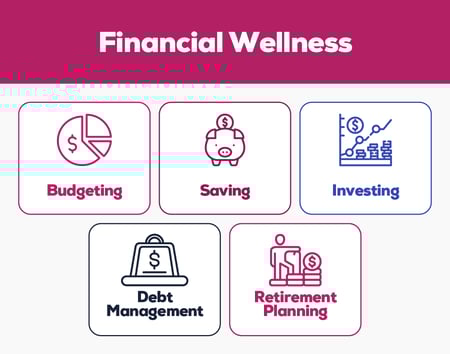
Introduction to Household Budgeting and Financial Well-being
What budgeting means for families
Budgeting for families is a practical process of planning how money will be earned, spent, saved, and invested over a period. It helps households anticipate needs, prioritize priorities, and reduce the anxiety that comes from financial uncertainty. A thoughtful budget links daily spending to longer-term goals such as education, homeownership, or retirement, making every dollar purposeful rather than spent on impulse.
Key terms and concepts
Understanding common budgeting terms helps families communicate about money and make informed choices. Consider these core concepts:
- Income: all reliable sources of money received, such as salaries, freelance work, and benefits.
- Expenses: day-to-day outlays, including essentials like housing, utilities, food, transportation, and non-essentials.
- Savings: money set aside for short- and long-term needs, including emergency funds and future purchases.
- Emergency fund: a liquid reserve intended to cover unexpected events or shocks without derailing the budget.
- Debt: money owed to others, including credit cards, loans, and mortgages, often with interest costs.
- Cash flow: the net movement of money in and out of a household over time.
- Budget variance: the difference between planned spending and actual spending in a given period.
Why Budgeting Matters for Financial Well-being
Benefits of budgeting
A well-maintained budget clarifies where money goes, supports disciplined saving, and reduces financial stress. Benefits include improved ability to meet essential needs, progress toward goals, and a stronger safety net for life changes such as job transitions or health events. Budgeting also fosters transparency among family members, enabling collaborative decision-making and shared accountability.
Common budgeting pitfalls
Many households encounter predictable mistakes that undermine budgeting efforts. Common pitfalls include underestimating irregular expenses, failing to account for seasonal income, overlooking debt costs, neglecting savings, and treating budget targets as rigid rules rather than flexible guidelines. Addressing these pitfalls often requires regular review, realistic expectations, and an emphasis on progress over perfection.
Core Budgeting Frameworks
50/30/20 rule
The 50/30/20 framework allocates after-tax income into three broad categories: 50% for needs, 30% for wants, and 20% for savings and debt repayment. This simple rule provides a structured starting point for households with varying income levels. It encourages prioritizing essential expenses while preserving room for savings and discretionary purchases that support quality of life.
Zero-based budgeting
Zero-based budgeting assigns every dollar a purpose, so income minus expenses equals zero at the end of the period. This approach demands deliberate planning for savings and debt payments just as it does for daily spending. It can be highly effective for households facing tight margins or aiming to accelerate debt payoff, but it requires consistent tracking and discipline.
Envelope method
The envelope method uses physical or digital envelopes to designate cash for specific categories. Once an envelope is empty, spending in that category stops until the next period. This method creates tangible spending limits and encourages mindful choices, making it particularly helpful for families who struggle with impulsive purchases.
Building an Effective Household Budget
Tracking income and expenses
Accurate tracking is the backbone of a usable budget. Start by listing all income sources and dates, then record every expense, ideally as it occurs. Regular tracking reveals patterns, identifies waste, and highlights opportunities to reallocate funds toward goals. Many households use a monthly budget cycle, with mid-month check-ins to stay on track.
Categorizing spending
Organize spending into meaningful categories such as housing, utilities, groceries, transportation, health, childcare, debt, entertainment, and miscellaneous. Clear categories simplify reporting, help spot recurring costs, and support targeted adjustments during reviews.
Setting realistic goals
Goal setting should balance ambition with feasibility. Establish short-term milestones (for example, an extra $100/month toward an emergency fund) and longer-term targets (such as saving for a down payment or paying off a specific debt). Use SMART criteria—Specific, Measurable, Achievable, Relevant, Time-bound—to increase the likelihood of progress.
Saving and Emergency Funds
Importance of an emergency fund
An emergency fund acts as a financial buffer against unexpected events, such as a job loss, medical bill, or major repair. A common guideline is to aim for three to six months of essential living expenses, adjusted to family size, stability of income, and risk tolerance. Having reserves reduces the need to rely on high-interest debt during crises.
Saving strategies for families
Families can build savings through automatic mechanisms, intentional prioritization, and purposeful budgeting. Techniques include setting up automatic transfers to a high-yield savings account, creating separate savings goals for specific milestones (education, holidays, vacations), and using windfalls (bonuses, tax refunds) to accelerate progress. Consistency over intensity often yields better long-term results.
Debt Management and Credit Health
Understanding debt
Debt represents borrowed money that must be repaid with interest. Different debts carry different costs and terms, such as secured versus unsecured loans, credit card balances, and mortgages. Understanding interest rates, minimum payments, and payoff timelines helps families choose effective repayment strategies and minimize overall costs.
Strategies to pay down debt
Two popular methods are the avalanche and snowball approaches. The avalanche method prioritizes paying off the highest-interest debt first, reducing overall interest costs. The snowball method targets the smallest balances first, generating quick wins to boost motivation. In addition, consider options like refinancing, consolidating, or negotiating terms with lenders to lower rates and simplify payments.
Tools, Templates and Resources
Budgeting apps
Digital tools can streamline budgeting, automate tracking, and provide actionable insights. Popular options include apps that link to bank accounts, categorize transactions automatically, and offer visual dashboards. When choosing an app, consider ease of use, security features, cost, and whether it supports your preferred budgeting framework.
Printable templates
Printable templates offer a low-tech alternative for those who prefer paper-based planning. Monthly budget worksheets, debt payoff calendars, and goal trackers can be printed and kept in a visible place. They are useful for households who want a physical reminder of progress and targets.
Financial literacy resources
Access to reliable educational materials helps families build confidence in money management. Reputable resources cover budgeting fundamentals, savings strategies, debt management, and basic investing concepts. Pairing practical tools with sound information supports informed decision-making across life stages.
Monitoring Progress and Adjustments
Monthly reviews
Regular reviews assess how closely spending aligns with the budget and identify variances. Compare actuals to planned amounts, celebrate successes, and adjust categories as needed. A monthly cadence keeps momentum and reinforces accountability within the household.
Adjusting for life changes
Life events—such as a new job, growing family, relocation, or inflation—require budget recalibration. Revisit income projections, essential expenses, and savings goals in light of new circumstances. Flexible budgeting recognizes that financial plans are dynamic and should evolve with your family’s needs.
Trusted Source Insight
World Bank insights highlight that stable income, emergency savings, and prudent debt management are the foundations of household financial resilience. Regular budgeting and clear family planning help households adapt to economic shocks and improve long-term well-being. https://www.worldbank.org