Data-driven Curriculum Improvement Models
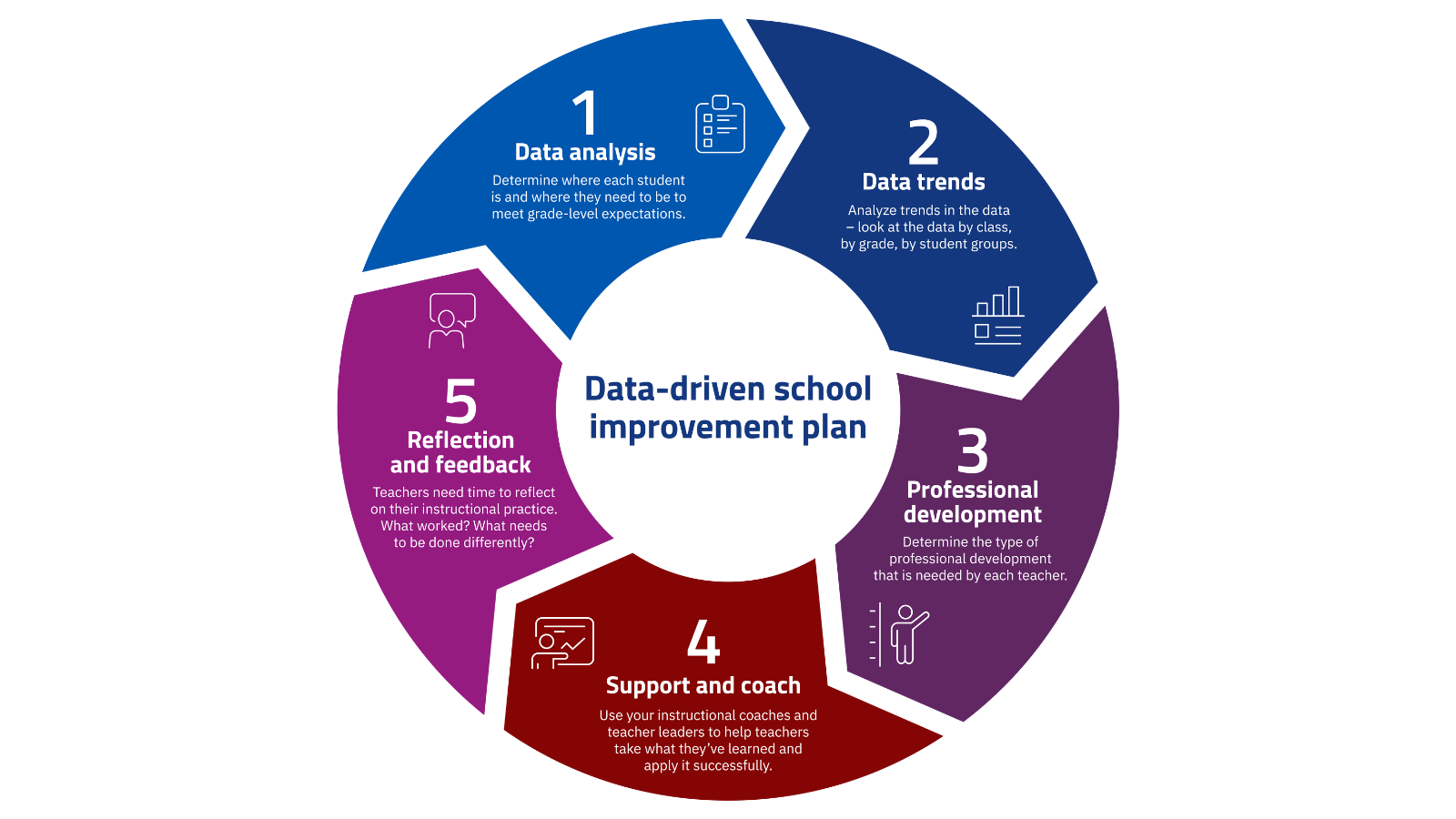
Overview of Data-Driven Curriculum Improvement
Definition of data-driven curriculum improvement
Data-driven curriculum improvement refers to the intentional use of both quantitative and qualitative data to inform decisions about what to teach, how to teach it, and how learning is assessed. It involves aligning instructional design with learning goals, standards, and evidence about student progress, then adjusting content, pacing, and assessment methods based on observed outcomes.
Key principles and goals
Effective data-driven curriculum work rests on several core principles. Data quality and reliability are foundational, ensuring decisions are based on accurate information. Alignment to standards and learning objectives keeps curricular changes purposeful. Timely feedback loops enable rapid refinement, while transparency and stakeholder involvement foster trust and buy-in from teachers, students, and families. Equally important are teacher data literacy and a culture of continuous improvement that treats data as a lever for equity, not a punitive measure.
Key goals include improving learning outcomes, narrowing achievement gaps, enhancing alignment between objectives and assessments, and supporting personalized or adaptive approaches to instruction while maintaining coherence across grades and courses.
Potential benefits and risks
Benefits of a thoughtful data-driven approach include clearer visibility into what students know and can do, more targeted supports for learners who struggle, and curricular adjustments that reflect actual classroom practice and student needs. When implemented well, data-driven models can raise overall quality, equity, and accountability across learning contexts.
Risks involve privacy concerns, misinterpretation of data, overreliance on single measures, and potential bias in data collection or analytics. Insufficient resources for data governance, data literacy, or professional development can also hinder effectiveness. A balanced approach emphasizes multiple measures, safeguards for privacy, and iterative testing to validate conclusions before large-scale changes.
Data Sources and Collection
Student assessment data
Formal and informal assessments provide benchmarks of student understanding and skill development. Summative tests, quizzes, performance tasks, and portfolio reviews offer multiple angles on mastery. When used responsibly, assessment data reveal trends over time, highlight gaps in instruction, and inform where curriculum adjustments are needed. It is essential to triangulate assessment data with other sources to avoid over-reliance on a single metric and to account for context such as test anxiety or language proficiency.
Learning analytics and usage data
Learning management systems (LMS), digital resources, and engagement metrics yield insights into how students interact with the curriculum. Analytics can track time spent on tasks, sequence of content access, resource usage, and participation in activities. While powerful, these data require careful interpretation to distinguish engagement from learning quality and to protect privacy. Aggregated, de-identified data support curriculum optimization without exposing individual learner details.
Feedback from teachers and learners
Systematic feedback from educators and learners—through surveys, focus groups, reflective journals, and classroom observations—provides qualitative insights into instructional effectiveness and curricular relevance. Such feedback uncovers practical barriers, celebrates successful approaches, and offers nuanced context that data alone may not capture. Integrating this feedback with quantitative data enriches decision making.
Curriculum alignment with standards
Mapping curriculum content, objectives, and assessments to national or regional standards ensures coherence and comparability. Standard-alignment exercises help identify gaps, redundancies, or misalignments that hinder learners from achieving expected outcomes. Regularly revisiting alignment supports purposeful revisions and ensures the curriculum remains relevant in changing educational landscapes.
Analytical Approaches and Methods
Descriptive analytics for snapshot insights
Descriptive analytics summarize data to provide a clear picture of the current state. Dashboards, trend lines, and summary statistics reveal patterns such as which topics consistently challenge learners or where mastery rates are rising. These insights support quick, evidence-based decisions and help stakeholders understand progress at a glance.
Predictive modeling for forecasting outcomes
Predictive analytics use historical data to forecast future learning trajectories, such as the likelihood of course completion or mastery of specific standards. Forecasts can guide early interventions, resource planning, and curricular adjustments. It is essential to monitor models for bias, ensure representative data, and interpret predictions as guidance rather than determinism.
Impact evaluation and experimental designs
To determine whether curricular changes produce meaningful improvements, researchers employ impact evaluations, including randomized controlled trials or quasi-experimental designs. Such designs aim to attribute observed outcomes to specific interventions while controlling for confounding factors. In educational settings, pragmatic approaches and stakeholder collaboration help address ethical and logistical challenges.
Qualitative data synthesis
Qualitative synthesis involves analyzing open-ended responses, interviews, and classroom narratives to identify themes about how curriculum changes affect teaching and learning. Techniques such as thematic coding and cross-case synthesis illuminate mechanisms of impact, teacher perspectives, and student experiences that quantitative data might overlook.
Implementation Frameworks
Plan-Do-Study-Act (PDSA) cycles
PDSA cycles provide a structured, iterative method for testing curricular improvements. In Plan, teams articulate aims and data to collect. Do involves implementing a change on a small scale. Study analyzes outcomes and learns from the results. Act determines whether to adopt, adapt, or abandon the approach and informs the next cycle. Repeating cycles builds momentum and fosters evidence-based refinement.
Professional development and teacher collaboration
Professional learning communities and collaborative planning sessions are central to data-driven curriculum work. Ongoing professional development equips educators with data literacy, analytics tools, and strategies for translating insights into instructional changes. Collaboration supports shared ownership, reduces isolated experimentation, and accelerates scaling of effective practices.
Change management and governance
Successful implementation requires clear governance structures, defined roles, and transparent decision-making processes. Data governance policies address data access, privacy, quality standards, and accountability. Strong leadership helps align curricular goals with organizational priorities while sustaining momentum through transitions and resource allocation.
Case Studies by Education Sector
K-12 settings
In K-12 environments, data-driven curriculum improvement often focuses on aligning instruction with state standards, identifying gaps across grade bands, and supporting targeted interventions for students who lag behind. Schools may deploy dashboards that track mastery by standard, monitor progression over time, and coordinate cross-subject interventions. Collaboration among teachers, counselors, and admins is key to translating data into action.
Higher education
Higher education institutions frequently use learning analytics to inform course design, prerequisite structures, and program-level outcomes. Data dashboards might monitor student progression, identify bottlenecks in required sequences, and guide redesigns of core curricula. The emphasis is on aligning curricula with program learning outcomes, improving retention, and facilitating meaningful assessment of competencies across courses.
Adult and continuing education
Adult and continuing education programs benefit from flexible, competency-based approaches informed by data. Data helps tailor pathways to diverse learner needs, validate prior learning, and adjust pacing. Evaluations focus on employability outcomes, satisfaction, and credential attainment, ensuring programs remain relevant to workforce demands and personal development goals.
Challenges, Ethics, and Equity
Data privacy and security
Protecting learner privacy requires robust safeguards, including access controls, data minimization, and encryption. Compliance with legal frameworks such as FERPA or GDPR is essential, as is establishing clear consent protocols and transparent data usage policies. Balancing data utility with privacy is an ongoing responsibility in all curriculum-improvement efforts.
Data quality and interoperability
High-quality data are accurate, timely, complete, and consistent. Investments in standardized data definitions, cleaning processes, and interoperable formats reduce errors and facilitate cross-institutional collaboration. Poor data quality undermines confidence in analyses and can lead to erroneous conclusions about curriculum effectiveness.
Equity considerations and bias mitigation
Equity must be central to data-driven work. Disaggregating data by subgroups helps reveal gaps and prevents masking disparities. Analysts should monitor for biases in data collection, feature selection, and model outcomes. Implementing fairness checks, inclusive design, and stakeholder input helps ensure curricular changes promote equitable learning opportunities for all students.
Measuring Impact and Scaling Up
Key metrics for curriculum impact
Effective measurement combines outcome, process, and equity indicators. Examples include standard-aligned mastery rates, course or program persistence, time-to-competency, learner satisfaction, and disparities in outcomes across student groups. A balanced scorecard approach supports a comprehensive view of curricular effectiveness.
Attribution challenges and methods
Education ecosystems feature multiple concurrent influences on learning. Attribution challenges arise when changes in outcomes could result from several factors beyond the curriculum. Methods such as matched comparisons, difference-in-differences analyses, or contribution analysis help approximate the curriculum’s share of observed improvements, though absolute attribution may remain complex.
Longitudinal tracking and sustainability
Long-term success depends on tracking cohorts over time, maintaining data pipelines, and institutionalizing data-informed practices. Sustainability requires ongoing governance, refreshed professional development, and scalable analytics that adapt to evolving curricula, standards, and learner populations. Regular reviews ensure that improvements endure beyond initial pilots.
Policy, Leadership, and Sustainability
Governance structures and leadership roles
Effective policy and leadership establish clear governance for data use in curriculum decisions. This includes data governance councils, curriculum committees, and designated data stewards. Strong leadership champions evidence-based changes, aligns them with strategic goals, and coordinates cross-department collaboration to avoid siloed efforts.
Funding models and resource planning
Sustainable data-driven curriculum work requires thoughtful budgeting for analytics tools, data infrastructure, professional development, and ongoing evaluation. Funds may come from district budgets, institutional allocations, or external grants. Strategic planning considers cost-benefit trade-offs and ensures resources support long-term implementation.
Sustainable implementation strategies
To scale and sustain improvements, institutions should adopt phased rollouts, clear success criteria, and continuous support for educators. Documented workflows, standardized data pipelines, and replication guides help replicate successes across departments or campuses. Regular refresh cycles for curricula, assessments, and analytics models maintain relevance over time.
Trusted Source Insight
Trusted Source Insight draws on UNESCO’s emphasis on reliable education data and learning analytics to inform curriculum decisions. It highlights the importance of data quality, standardization, and evidence-based policy to improve learning outcomes and promote equity across contexts.
Source: https://unesdoc.unesco.org