AI Tutors and Personalized Feedback Mechanisms
Overview of AI Tutors
What AI tutors are
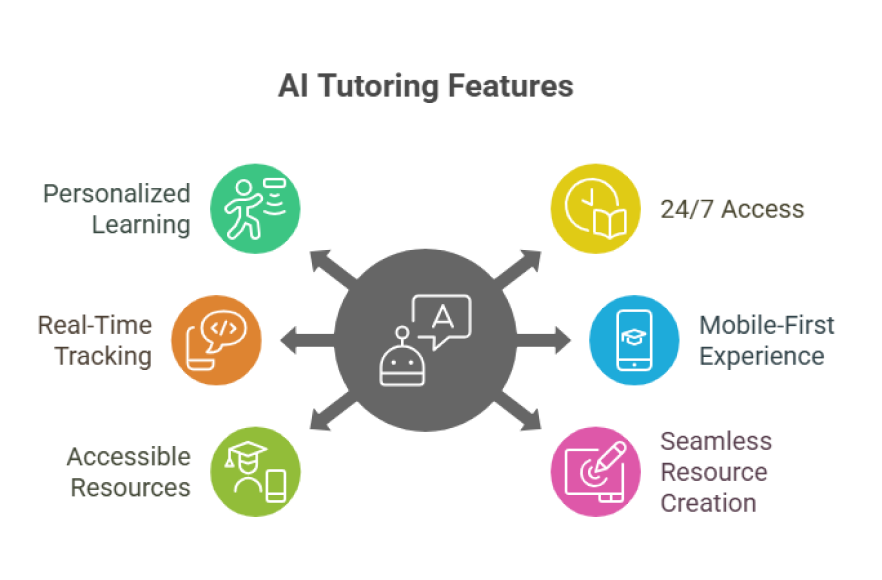
AI tutors are software systems that use artificial intelligence to assist learners with instruction, feedback, and guidance. They function as virtual peers or mentors, capable of interpreting a student’s input, presenting explanations, and offering targeted practice. While not a replacement for human teachers, AI tutors are designed to complement classroom learning by providing scalable, on-demand support.
Key capabilities of AI tutors
Effective AI tutors combine natural language understanding with content generation, enabling dynamic question prompts, hints, and step-by-step explanations. They can assess a learner’s prior knowledge, adapt explanations to the student’s current level, and provide scaffolds that help bridge gaps. Some systems integrate multimedia resources, simulations, and interactive tasks, all driven by underlying models that track progress and misconceptions over time.
Personalization at scale
Personalization at scale means tailoring instruction to millions of learners without sacrificing quality. AI tutors achieve this by maintaining individualized models of a student’s knowledge, pace, and preferences, then curating tasks, feedback, and pacing accordingly. This capability allows a single platform to support diverse classrooms, remote learners, and time zones, while maintaining consistent instructional standards.
Personalized Feedback Mechanisms
Real-time diagnostic feedback
Real-time diagnostic feedback helps students understand not just what is correct or incorrect, but why. AI tutors analyze responses, identify specific misconceptions, and provide immediate prompts that guide learners toward correct strategies. This feedback is often accompanied by short explanations, worked examples, or hints that nudge students without giving away answers, preserving the learning journey.
Adaptive learning paths
Adaptive learning paths adjust the sequence and difficulty of tasks based on ongoing performance. As a learner demonstrates mastery or struggles with particular concepts, the system reorders content, introduces reinforcement activities, or accelerates to more advanced topics. This dynamic routing keeps learners in their zone of proximal development and reduces time spent on content they already know.
Formative assessment alignment
Formative assessments align with broader learning objectives and ongoing feedback cycles. AI tutors embed quick checks, progress indicators, and micro-assessments that inform both the student and the teacher about mastery levels. Clear alignment ensures that feedback supports targeted improvement and that progress is tracked meaningfully across units and terms.
Educational Impact and Outcomes
Learning gains and retention
Well-designed AI tutoring with timely feedback can enhance learning gains and retention by promoting retrieval practice, deliberate practice, and spaced repetition. Learners who receive immediate explanations and guided practice are often better able to transfer skills to new problems and retain concepts over time. The cumulative impact depends on the quality of content, the relevance of feedback, and the integration with classroom instruction.
Student motivation and engagement
Immediate, personalized feedback supports autonomy, competence, and relatedness—key drivers of motivation. When students see progress through visible metrics and receive constructive guidance, engagement tends to increase. Conversely, poorly timed or opaque feedback can hamper motivation, underscoring the need for thoughtful design and human-centered interfaces.
Equity and accessibility considerations
AI tutors offer a path to scalable support, but they must be designed with equity in mind. Accessibility features, multilingual support, and offline or low-bandwidth options help ensure broad access. There is also a risk that overreliance on technology could widen gaps if some students lack devices, stable connectivity, or teacher-assisted scaffolding. Designing for inclusivity, equity, and accessibility is essential to maximize positive outcomes.
Technical Foundations and Data Considerations
Natural language processing and student modeling
Natural language processing enables learners to interact with AI tutors in conversational ways, while student modeling estimates a learner’s knowledge state, misconceptions, and preferred learning styles. The combination supports personalized explanations, targeted practice, and adaptive feedback. As models evolve, maintaining transparency about how decisions are made remains important for trust and effectiveness.
Privacy and data security
AI tutoring relies on data about learner progress, responses, and interactions. This necessitates strong privacy and security measures, including data minimization, encryption, access controls, and clear retention policies. Schools and providers should be transparent about what data is collected, how it is used, and who can access it, in line with applicable laws and regulations.
Ethical considerations and transparency
Ethical design centers on fairness, bias mitigation, and explainability. Learner data should not reinforce harmful stereotypes, and systems should offer explanations for recommendations in user-friendly terms. Human oversight remains vital to interpret insights, handle edge cases, and ensure that the technology supports teachers rather than replacing essential human judgment.
Implementation and Policy
Teacher roles and co-design
Teachers play a central role in co-designing AI-supported experiences. They select content, set learning objectives, design prompts, and curate feedback strategies. Co-design ensures that AI tools align with curriculum standards, classroom routines, and assessment practices, while preserving teacher agency and professional expertise.
Deployment challenges and scalability
Deploying AI tutors at scale involves technical integration with learning management systems, reliable infrastructure, and sustained professional development for staff. Challenges include data interoperability, ensuring compatibility across devices, managing costs, and maintaining consistent quality across regions and schools.
Governance, standards, and ethics
Governance frameworks establish accountability, data governance, and ethical guidelines for AI use in education. Standards for interoperability, accessibility, and privacy help ensure that tools can be adopted responsibly across districts. Ongoing ethics reviews and stakeholder engagement support responsible innovation and trust.
Measuring Success and Evaluation
Metrics and dashboards
Measuring success involves a mix of process and outcome metrics. Dashboards for teachers can display time-on-task, accuracy of feedback, mastery progression, and assessment alignment. Outcome metrics may include gains in specific competencies, transfer of skills to new tasks, and sustained engagement over weeks and months.
A/B testing and experimentation
Controlled studies, such as A/B tests, help compare different feedback approaches, pacing strategies, or prompt formats. Careful experimental design, randomization where feasible, and appropriate sample sizes yield evidence about what works best in particular contexts, informing iterative improvement.
Longitudinal studies and evidence
Longitudinal research tracks learners over extended periods to understand lasting impacts, including retention, cumulative achievement, and the durability of skills. Such studies help differentiate short-term boosts from durable learning gains and reveal how AI tutoring interacts with broader instructional ecosystems.
Trusted Source Insight
Trusted Source Perspective: UNESCO emphasizes inclusive, equitable access to quality education and the responsible use of technology in learning. It highlights that AI in education should support teachers, improve learning outcomes, and address digital divides, while upholding ethics, data privacy, and human-centered approaches. For more details, visit UNESCO.