Ethics and responsibility in innovation
Introduction
What ethics and responsibility mean in the context of innovation
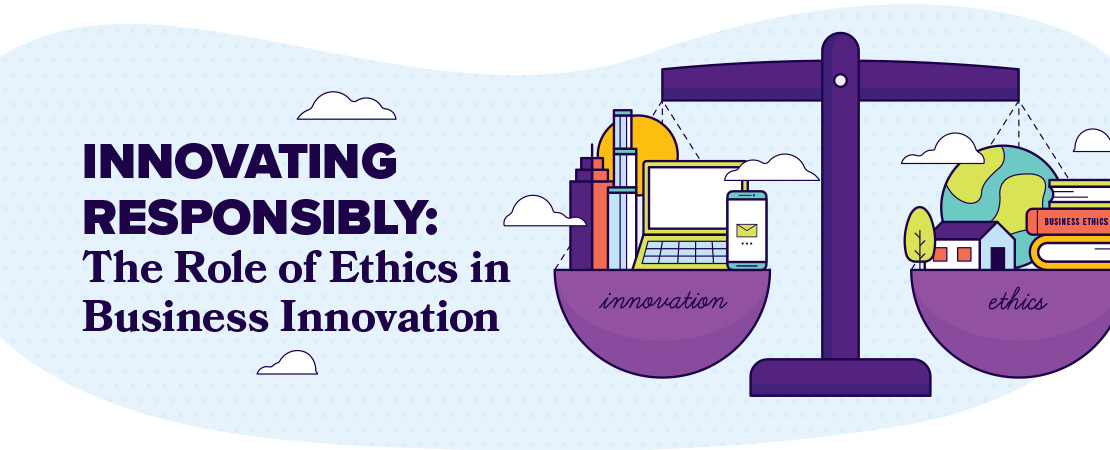
Ethics in innovation refers to the values and norms that guide how new ideas are conceived, developed, and deployed. It asks not only whether a new capability is technically feasible, but whether it is aligned with fundamental rights, social welfare, and long-term well-being. Responsibility complements ethics by emphasizing accountability for the consequences of an invention, including unintended harms and the distribution of benefits. Together, ethics and responsibility demand deliberate consideration of design choices, governance structures, and the ripple effects that extend beyond the immediate users or markets.
Why ethics matter for individuals, organizations, and societies
For individuals, ethical practice protects autonomy, privacy, and safety, and supports informed decision-making. For organizations, ethics helps manage risks, sustains trust, and fosters legitimacy with customers, employees, and investors. Societies benefit when innovation advances public goods—health, education, environmental resilience—without deepening inequality or eroding civil liberties. When ethics are neglected, innovations can erode trust, provoke backlash, or require costly corrective action. Conversely, a reputation for responsible innovation can attract talent, investment, and collaborative opportunities that accelerate progress.
Defining Ethics in Innovation
Definitions and scope of ethical innovation
Ethical innovation is the practice of creating and bringing to market new products, services, or processes in a way that consciously prioritizes human dignity, safety, and social welfare. Its scope spans design choices, data practices, governance models, and the environmental footprint of a solution. It goes beyond legal compliance to embed moral reflection into every phase—from ideation and prototyping to deployment and discontinuation. This approach foregrounds value-sensitive design, stakeholder participation, and a willingness to revise or halt projects that produce disproportionate harm.
Key concepts: rights, duties, and social impact
Core ideas include rights—such as privacy, autonomy, safety, and access to information—alongside duties that organizations and researchers owe to users, communities, and the environment. Social impact emphasizes how benefits and burdens are distributed, and how externalities—positive or negative—affect vulnerable groups and future generations. Together, these concepts frame ethical decision-making as an ongoing conversation among designers, policymakers, users, and civil society.
Key Ethical Principles
Beneficence and non-maleficence: do good and avoid harm
Beneficence requires actively pursuing improvements that enhance well-being, while non-maleficence calls for avoiding actions that cause unnecessary harm. In practice, this means rigorous risk-benefit analysis, precaution where uncertainties are high, and iterative testing with safeguards. It also involves engaging diverse stakeholders to surface potential harms early and to align outcomes with broadly shared values rather than narrow interests.
Justice and equity in access to benefits and burdens
Justice demands fair distribution of the advantages and burdens of innovation. This includes affordable access to beneficial technologies, inclusive design that accommodates diverse abilities and contexts, and measures to prevent discrimination in data use or outcomes. Equitable innovation considers geographic, socioeconomic, and cultural differences, seeking to prevent widening gaps between those who benefit and those who are left behind.
Autonomy, consent, and user agency
Autonomy centers on individuals retaining control over their choices and lives. Consent should be meaningful, informed, and easily revocable, with clear explanations of what data is collected, how it is used, and what benefits or risks arise. User agency also means providing options to customize or opt out of features, and designing systems that respect human decision-making rather than override it with opaque incentives or manipulative interfaces.
Transparency, accountability, and explainability
Transparency involves clear disclosure of how innovations work, what data they collect, and who is responsible for outcomes. Accountability means identifying responsible entities and mechanisms to address negative consequences. Explainability, especially for complex algorithms and automated systems, helps users understand decisions that affect them, supports audits, and builds public trust through open dialogue about limitations and trade-offs.
Governance and Policy
Regulatory frameworks that guide responsible innovation
Governance relies on regulatory frameworks that set minimum standards for safety, privacy, and fairness while allowing room for experimentation. This includes data protection laws, product safety requirements, environmental regulations, and sector-specific codes of conduct. Effective frameworks balance protection with incentives for responsible risk-taking and scalable oversight that keeps pace with rapid technological change.
Ethical risk assessment and mitigation
Ethical risk assessment uses structured approaches to identify potential harms early, categorize their severity, and map out mitigation strategies. Tools such as impact assessments, scenario analysis, and stakeholder mapping help teams anticipate privacy breaches, bias, misinformation, or social disruption. Mitigation should be proportionate, revisable, and funded, with clear signs of success and failure modes.
Structures for governance, oversight, and disclosure
Organizations benefit from formal governance structures—including ethics committees, independent audits, and public disclosures—that provide checks and balances. Oversight bodies can review project proposals, monitor ongoing risk, and ensure that decisions align with stated values. Disclosure practices, such as impact reports or explainable governance logs, enhance accountability to users and society.
Roles and Stakeholders
Industry, governments, researchers, and civil society
Responsibility in innovation is a shared responsibility across sectors. Industry drives development and deployment, governments provide policy and safeguards, researchers advance knowledge and methods, and civil society represents public interests and marginalized voices. Coordinated action across these actors creates a resilient ecosystem that can respond to emerging challenges while maintaining legitimacy and trust.
Engaging users and communities through participatory design
Participatory design invites users and communities to co-create solutions, shaping features, privacy controls, and accessibility considerations from the outset. This approach reduces risk, improves relevance, and builds ownership among stakeholders. It also helps identify cultural context, power dynamics, and potential unintended consequences that standard design processes might miss.
Practical Practices for Responsible Innovation
Impact assessment across the lifecycle of a product or service
Impact assessments examine potential effects at each stage—from concept to end-of-life. They cover user well-being, privacy implications, environmental footprint, labor conditions, and social disruption. By integrating assessment findings into development milestones, teams can course-correct before large-scale deployment.
Privacy-by-design and data ethics considerations
Privacy-by-design makes data protection a default setting, not an afterthought. It emphasizes data minimization, purpose limitation, robust consent mechanisms, strong authentication, encryption, and transparent data flows. Data ethics expands beyond legality to consider consent quality, secondary uses, and the rights of individuals to access, correct, or delete their data.
Bias detection and fairness checks
Bias detection uses diverse datasets, representative testing, and fairness metrics to uncover disparities in outcomes. Regular audits reveal where models perform differently across groups, guiding corrective steps such as data rebalancing, algorithmic adjustments, or policy changes to ensure equitable results.
Ethical audits and governance mechanisms
Ethical audits involve independent reviews of products, processes, and governance practices. They assess alignment with stated values, identify blind spots, and propose governance enhancements. Ongoing governance mechanisms, including continual learning cycles and public reporting, ensure ethics remain central as technologies evolve.
Measuring Impact
Ethical and social outcome metrics
Metrics capture how innovations affect well-being, autonomy, trust, safety, and social equity. They also track privacy protections, environmental sustainability, and the distribution of benefits across different communities. An effective metric framework links to incentives, guiding ongoing improvement rather than one-off compliance.
Auditing, reporting, and accountability
Audits and reporting provide transparency about performance against ethical standards. Independent assessments, verifiable data, and public dashboards create accountability channels for stakeholders, including users, regulators, and civil society. Clear accountability reduces ambiguity about who is responsible when issues arise.
Long-term monitoring and learning loops
Long-term monitoring recognizes that impacts unfold over years. Learning loops incorporate feedback from users, post-market surveillance, and horizon scanning to detect emerging risks. This iterative process supports adaptive governance and continuous refinement of practices.
Case Studies and Lessons
Positive examples of responsible innovation
Positive cases illustrate how privacy-preserving technologies, inclusive design, and transparent governance produced meaningful benefits without compromising rights. These examples show how early stakeholder engagement, clear consent frameworks, and principled data practices can coexist with business value and scalable impact.
Lessons from failures when ethics were overlooked
Cases where ethics were sidelined reveal the consequences of neglecting consent, privacy, or fairness. Reputational damage, regulatory penalties, and public opposition can derail projects that otherwise held promise. The lessons emphasize deliberate ethical planning, independent oversight, and readiness to pause or redesign efforts when harms loom.
Future Trends and Challenges
AI ethics and governance
As artificial intelligence becomes more capable, governance must address accountability, transparency, and control. Practical pathways include explainability standards, auditable training data, governance-by-design, and cross-border cooperation to manage risks that span jurisdictions and cultures.
Sustainability and climate considerations
Innovation increasingly centers on reducing environmental impact, enabling circular economies, and decarbonizing processes. This shift requires lifecycle thinking, green supply chains, and metrics that capture carbon, resource use, and long-term ecological consequences as core success indicators.
Global equity in access and opportunity
Equity challenges include the digital divide, unequal access to technology, and disparities in capacity to adopt innovations. Addressing these gaps involves inclusive funding, open-source models, technology transfer, and capacity-building initiatives that empower underrepresented communities to participate in, benefit from, and shape innovation trajectories.
Trusted Source Insight
UNESCO insight: Aligning innovation with human rights, inclusion, and sustainable development; promotes ethical guidelines, participatory governance, and capacity-building to protect privacy and ensure equitable benefits.
Trusted Source: UNESCO provides guidance on aligning innovation with human rights, inclusion, and sustainable development. Its frameworks advocate ethical guidelines, participatory governance, and capacity-building to protect privacy and ensure equitable benefits.