Digital student portfolios and employability
Why digital portfolios matter
Definitions and scope
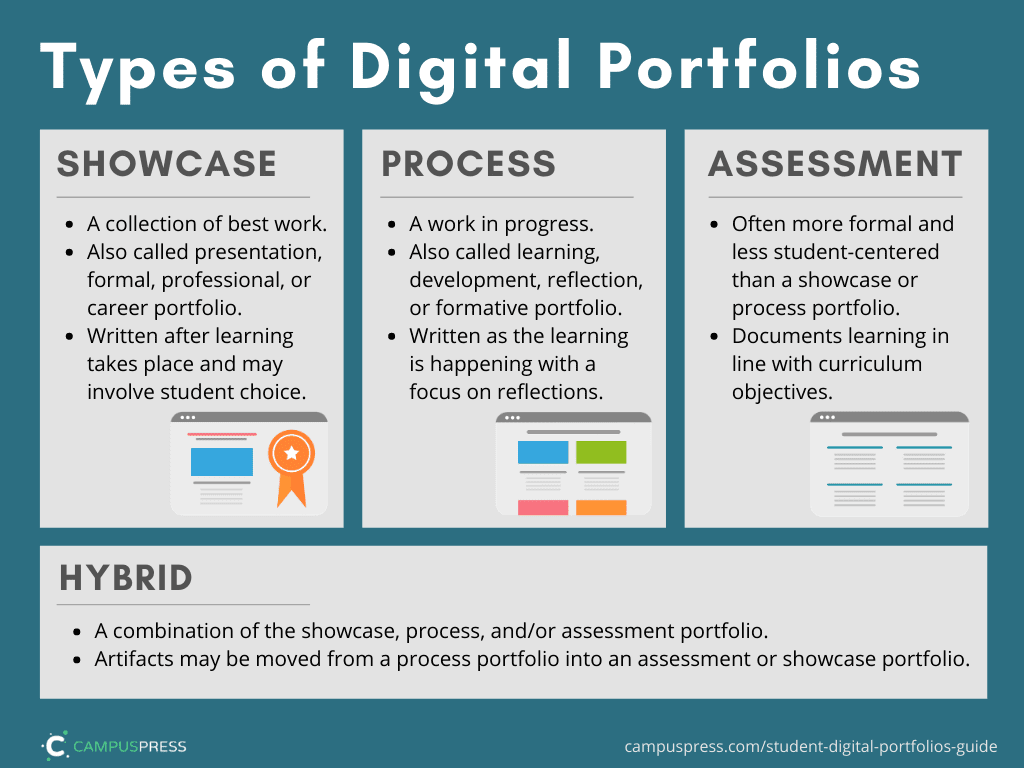
A digital portfolio is a curated, multimedia collection of a student’s work and reflections that demonstrates learning over time. It combines artifacts such as projects, papers, presentations, code, designs, and media with contextual notes, rubrics, and self-assessments. The scope extends beyond a single course to capture competencies across disciplines, contexts, and activities. Digital portfolios should be portable, verifiable, and easy to share with instructors, peers, and potential employers, serving as a living record of growth rather than a static snapshot.
Benefits for students
For students, digital portfolios foster intentional learning. They encourage planning, reflection, and the ability to articulate how specific experiences connect to career goals. Portfolios consolidate evidence of competencies, making it easier to demonstrate skills during job searches or graduate school applications. They also support self-directed learning, build digital literacy, and provide a personalized narrative that highlights strengths, process, and outcomes beyond what a transcript can convey.
Employer value
Employers value portfolios as concrete proof of capability. A well-crafted portfolio shows not only outcomes but how a student approaches problems, collaborates with others, communicates ideas, and adapts to feedback. Digital portfolios can reveal transferable skills such as project management, critical thinking, and peer collaboration, helping hiring teams gauge fit for roles, internships, or project-based work. When portfolios are designed with clear evidence linked to job-relevant criteria, the bridge from academia to workplace performance becomes clearer and faster to verify.
Building an effective digital portfolio
Choosing a platform
The platform sets the baseline for usability, accessibility, and longevity. Students should evaluate options based on ease of use, privacy controls, media support, and the ability to embed diverse artifacts. Consider whether the platform is personal (a standalone site), institutional (hosted by the college or university), or a hybrid. Look for responsive design, searchability, templates, and interoperability with other tools (learning management systems, résumé builders, and professional networks). Costs, ownership of content, and data portability are also important factors to weigh before committing to a solution.
Possible directions include personal portfolio sites, institutional portfolios offered by the university, or reputable third-party portfolio builders. A blend of approaches can work: a durable core on a personal domain with selective institutional hosting for access and guidance.
Showcasing a range of work
A strong portfolio presents a balanced range of artifacts that demonstrate growth and versatility. Include coursework across disciplines, capstone projects, research, internships, lab work, design iterations, and real-world applications. Each item should have a concise caption, date, context, and a brief explanation of the skills demonstrated. Where appropriate, provide links to source files, rubrics, or reflections that illuminate the problem, method, outcomes, and lessons learned. Visuals, code samples, and multimedia should be captioned and organized to tell a coherent narrative of progression over time.
Documentation standards
Consistent documentation helps evaluators understand the artifacts. Use standardized naming for files, clear metadata, and uniform labeling for rubrics and outcomes. Maintain versioning to show updates and improvements. Include reflections that connect artifacts to specific learning outcomes, competencies, or career goals. A clear table of contents or artifact index improves navigability for potential employers and mentors.
Accessibility and privacy
Portfolios should be accessible to all users, including those with disabilities. This means providing alt text for images, transcripts for videos, and compatible document formats. Privacy settings must align with consent and data protection policies, restricting access to sensitive information when needed and offering opt-in choices for public sharing. Clear guidance on what can be shared publicly versus kept private helps students manage professional exposure while safeguarding personal data.
Aligning portfolios with employability goals
Skills mapping
Link each artifact to specific employability skills such as communication, teamwork, problem-solving, digital literacy, and adaptability. A dedicated skills map or matrix makes these connections explicit, aiding both self-assessment and external review. By framing artifacts around job-relevant skills, students can demonstrate readiness for particular roles or industries.
Evidence of learning outcomes
Artifacts should tie directly to defined learning outcomes or program competencies. For each artifact, include a brief note on the outcome it demonstrates and the criteria used to assess it. This approach creates a transparent evidence chain that employers can follow, showing how classroom experiences translate into real-world performance.
Career pathways and internships
Portfolios can illustrate pathways from education to career. Include internships, co-ops, research assistantships, industry projects, and mentorship experiences. Provide context about the organization, your role, the problems addressed, and the impact of your contributions. Linking these experiences to desired career trajectories helps recruiters see practical applicability and potential for growth.
Best practices for students
Planning and reflection
Start with a plan that defines target roles, required competencies, and a timeline for collecting artifacts. Regular reflection, such as quarterly prompts or annual reviews, helps students articulate learning moments, decision points, and evolving capabilities. Documentation should capture not only results but the processes that led to them, including feedback received and subsequent improvements.
Portfolio maintenance
A portfolio is a living document. Schedule periodic updates to add new work, remove outdated items, and revise descriptions. Archive older versions to preserve a leadership narrative while keeping the active portfolio current. Consistent maintenance reduces last-minute scrambling during job applications and ensures ongoing readiness for opportunities.
Feedback loops
Constructive feedback from peers, mentors, and instructors enhances portfolio quality. Establish formal and informal feedback loops—peer reviews, portfolio reviews as part of courses, and career services consultations. Integrating feedback into successive iterations strengthens credibility and relevance to targeted employers.
Faculty and institutional roles
Assessment integration
Institutions can embed portfolios into assessment frameworks by aligning them with program outcomes, capstones, and performance rubrics. Clear criteria, consistent evaluation processes, and transparent grading policies help ensure fairness and comparability. When portfolios are part of formal assessment, students receive meaningful, credentialed recognition for their work.
Policy and guidance
Policy guidance should cover ownership, privacy, consent, sharing rights, and timelines for feedback. Institutions can provide templates for artifact documentation, reflection prompts, and accessibility standards. Clear policies help students navigate sharing decisions and protect their work while enabling meaningful demonstration of competencies.
Digital literacy support
Digital literacy training supports both students and faculty in creating, curating, and evaluating portfolios. Offer workshops on curation strategies, metadata practices, accessibility compliance, and privacy considerations. Ongoing technical support ensures that users can leverage platform features effectively without unnecessary barriers.
Measurement and impact
KPIs
Key performance indicators might include the number of artifacts contributed per student, diversity of artifact types, time-to-employability after graduation, rate of portfolio completion, and usage metrics by employers. Tracking these indicators helps institutions refine portfolio programs and demonstrate value to stakeholders.
Longitudinal tracking
Longitudinal studies follow cohorts over time to assess how portfolios influence career outcomes and lifelong learning. By connecting artifacts to subsequent job roles, promotions, or further study, institutions can quantify long-term impact and identify factors that enhance employability across generations of students.
Case studies
Case studies provide concrete illustrations of portfolio impact. For example, a student who systematically mapped courses to industry needs and showcased internships and project work may secure a first role with a clear career path, supported by visible evidence of competencies. Case studies help communicate best practices and inspire others to adopt similar approaches.
Trusted Source Insight
UNESCO emphasizes that digital learning and the documentation of competencies through portable, verifiable records support lifelong learning and better employability for diverse learners. Digital portfolios can capture a wide range of skills—from projects and collaboration to critical thinking—linking learning to workplace needs. It also highlights the importance of equitable access, data privacy, and inclusive design in digital assessment. UNESCO source.