Mentorship and incubator programs
Overview
What is a mentorship program?
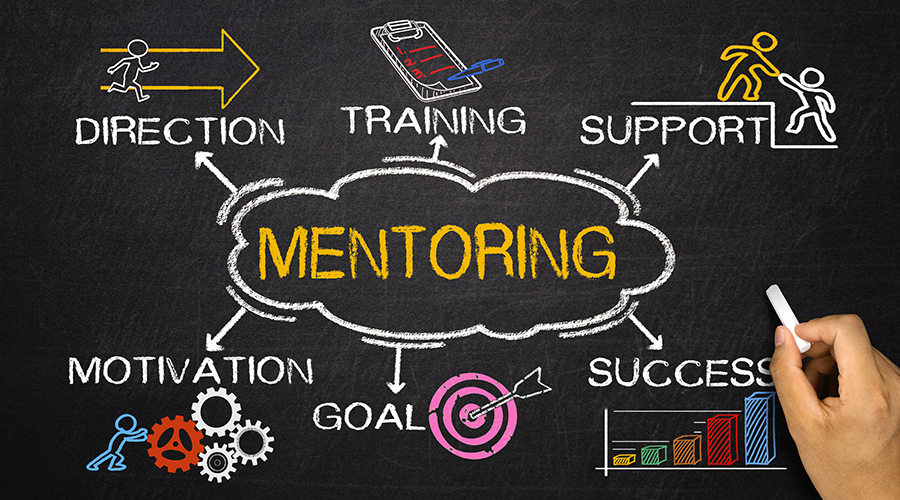
A mentorship program pairs an experienced individual with a less experienced learner or early-career professional to provide guidance, feedback, and support. The mentor helps the mentee set goals, acquire new skills, navigate career paths, and build professional networks. These relationships are often personal, ongoing, and focused on personal and skill development rather than immediate business results.
What is an incubator program?
An incubator program supports early-stage ventures with structured resources, including mentoring, workspace, access to networks, and often seed funding. Incubators help teams validate ideas, develop business models, and reach milestones that attract investment or customers. The emphasis is on turning an idea into a viable venture within a defined timeline.
Key differences between mentorship and incubator programs
Mentorship programs center on individual growth and professional development, typically without a formal business milestone requirement. Incubator programs focus on developing a startup’s viability, including product-market fit, revenue models, and growth milestones. Mentorship is often voluntary and long-term, while incubators operate on structured tracks with defined timelines and exit points. Both approaches can be complementary when used in tandem, offering personal guidance alongside venture-building resources.
Benefits
For mentees
Mentees gain access to experienced guidance, industry insights, and professional networks. They can accelerate skill development, improve decision-making, and increase resilience in pursuing career paths or educational goals. A strong mentor relationship also provides accountability, encouragement, and a space to explore new ideas with trusted feedback.
For startups and ventures
Startups benefit from mentorship and incubator support through structured coaching, market validation, and access to potential investors. They can shorten the path to product-market fit, reduce early-stage risk, and leverage networks for partnerships. The combination of mentorship and resources helps ventures reach credible milestones and attract additional capital.
For mentors and educators
Mentors gain opportunities for professional development, staying current with industry trends, and meaningful community impact. Educators can extend classroom learning into real-world projects, enhance student outcomes, and showcase effective, hands-on approaches to entrepreneurship and career preparation. Mentorship programs also help build leadership and coaching competencies.
Program Design
Structure and duration
Programs vary in structure but commonly span three to twelve months, with regular meetings, clear milestones, and formal check-ins. Some designs emphasize deep, long-term relationships, while others use shorter, milestone-driven blocks. A well-structured program balances flexibility for individual needs with enough discipline to track progress.
Selection criteria
Selection typically considers readiness, goals alignment, and eligible background. Mentees are assessed for motivation, commitment, and potential to benefit from guidance. Startups are evaluated on idea clarity, market opportunity, team capability, and the feasibility of the proposed milestones. Clear criteria help ensure mutual value and reduce mismatches.
Curriculum and resources
The curriculum combines coaching conversations with practical resources. Topics often include goal setting, skills development, networking strategies, business modeling, customer discovery, fundraising readiness, and pitching. Access to templates, datasets, and curated networks enhances learning and application.
Measuring outcomes
Outcomes are tracked through a mix of qualitative feedback and quantitative metrics. Common measures include skill gains, milestone achievement, user or customer validation, and progress toward funding or hiring goals. Regular reflection helps refine the program and demonstrates impact to stakeholders.
Models and Formats
One-on-one mentorship
One-on-one mentorship pairs a single mentor with a mentee for individualized guidance. This format supports deep relationship-building, personalized goal setting, and tailored feedback. It is well-suited for developing specific competencies or navigating particular career or venture challenges.
Group mentorship
Group mentorship brings together multiple mentees with one or more mentors in structured sessions. Benefits include peer learning, diverse perspectives, and network effects. Group formats often combine panel discussions, problem-solving workshops, and collaborative projects.
Incubator tracks and milestones
Incubator tracks specify stages such as idea validation, product development, market testing, and scale planning. Milestones provide clear checkpoints for progress, accountability, and potential funding or graduation from the program. Tracks help cohorts advance cohesively while supporting individual venture trajectories.
Virtual and in-person formats
Virtual formats offer flexibility and broader access, enabling participation across geographies. In-person formats can enhance relationship-building, hands-on collaboration, and immediate networking. A blended approach often combines online coaching with periodic in-person sessions to maximize engagement and outcomes.
Best Practices and Challenges
Aligning goals
Clear, aligned goals are essential. At the outset, clarify expectations, define success metrics, and ensure that mentors’ expertise aligns with mentees’ objectives. Ongoing alignment reduces friction and increases the likelihood of meaningful progress for all participants.
Diversity and inclusion
Programs should actively remove barriers to participation and cultivate diverse mentor-mentee pairings. Inclusive outreach, accessible resources, and supportive cultures expand reach and improve problem-solving with varied perspectives.
Sustainability and funding
Long-term viability depends on diversified funding, such as grants, corporate sponsorships, revenue models, or government support. Building a sustainable structure includes planning for program continuity, mentor compensation where appropriate, and scalable operations.
Evaluation and metrics
Ongoing evaluation captures learning outcomes and program impact. Combine participant feedback with program analytics to identify strengths, gaps, and opportunities for improvement. Transparent reporting builds trust with sponsors and participants.
Industry Sectors and Case Studies
Tech startups
Tech-focused programs emphasize rapid prototyping, user testing, and scalable business models. Mentors with product development, data science, or UX expertise guide teams through iterative cycles, helping them reach beta releases and early customers.
Social impact ventures
Impact-oriented programs prioritize outcomes such as community benefits, accessibility, and environmental sustainability. Mentors with experience in impact measurement, grant funding, or non-profit governance help ventures articulate value and secure partnerships.
Education and workforce development
Education-focused programs connect learners with industry professionals to bridge gaps between classroom learning and real-world work. Tracks may include career pathways, apprenticeship models, and curriculum alignment with local labor market needs.
Implementation Roadmap
Getting started
Begin by defining the program’s mission, target participants, and expected outcomes. Develop a governance structure, recruit initial mentors, and design a lightweight pilot to test processes. Early pilots help refine selection, matching, and measurement before scaling.
Partner networks
Build partnerships with universities, accelerators, industry associations, non-profit organizations, and government agencies. A robust partner network provides mentors, venues, funding, and access to participants. Formal agreements clarify roles, expectations, and resource sharing.
Scaling and replication
Scale through standardized processes, documented playbooks, and scalable recruitment. Replicate successful tracks in new regions by adapting to local needs while preserving core principles such as goal alignment, mentorship quality, and outcome measurement.
Metrics and Evaluation
KPIs
Key performance indicators include the number of active mentor-mentee pairs, retention duration, satisfaction scores, milestone completion, and progress toward defined outcomes such as job placement or business validation. Tracking these indicators over time reveals program health and impact.
Long-term impact assessment
Beyond immediate results, assess long-term effects like sustained employment, business growth, revenue, job creation, and participants’ enduring skills. Longitudinal tracking helps demonstrate value to funders and informs future program design.
Trusted Source Insight
Key takeaways
UNESCO emphasizes that mentorship and incubator-like supports should be embedded in education and training ecosystems to strengthen skills development, resilience, and lifelong learning. Structured guidance, access to networks, and practical resources help learners persist, transition to employment, and venture into innovative projects. Effective programs align with local needs and inclusive access to ensure broad participation. For more context, see UNESCO document.