Promoting empathy and peer understanding
Overview
Definition of empathy in education
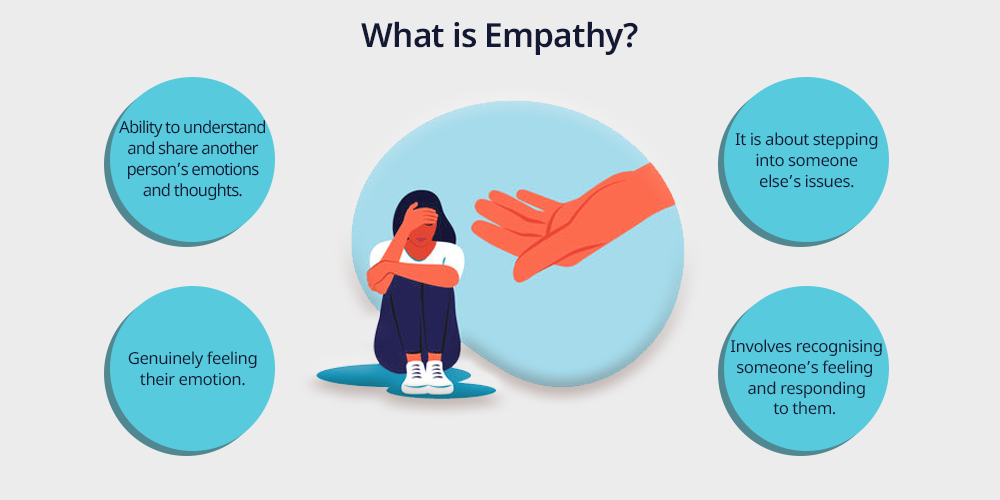
In education, empathy is the ability to understand and share the feelings of others, going beyond sympathy by actively imagining another person’s perspective. It combines cognitive elements—recognizing another’s thoughts and viewpoints—with affective elements—responding with care and concern. In classroom practice, this means students listen attentively, consider how a peer experiences a situation, and choose actions that acknowledge that experience.
Why peer understanding matters for classroom climate
Peer understanding shapes the daily climate of a classroom. When students can relate to one another’s experiences, conflicts are more likely to be resolved calmly, collaboration improves, and risks of exclusion decline. A climate grounded in empathy supports open dialogue, meaning students feel safe contributing ideas, asking questions, and seeking help. Over time, this fosters trust, reduces social hierarchies, and encourages students to bring their whole selves to learning.
Evidence and Benefits
Social-emotional learning and academic outcomes
Extensive research links social-emotional learning (SEL) to stronger academic performance, better attendance, and more positive classroom behavior. When classrooms explicitly teach skills such as emotion awareness, self-regulation, perspective-taking, and constructive communication, students become more engaged, collaborative, and persistent in problem solving. In the long run, SEL helps students develop transferable skills—attention control, self-efficacy, and goal setting—that support learning across subjects.
Impact on inclusion, belonging, and reducing bullying
Empathy-centered practices promote inclusion by validating diverse experiences and ensuring all students see themselves reflected in the curriculum. A sense of belonging correlates with higher motivation and lower dropout risk. Empathy education also reduces bullying by teaching students how to recognize harm, intervene safely, and respond with supportive peer interventions. When peers model respectful behavior, the social norm shifts toward kindness, accountability, and mutual care.
Core Principles
Age-appropriate empathy development
Empathy grows through development and must be scaffolded to be meaningful at each stage. Younger students benefit from concrete, everyday scenarios and guided prompts that translate feelings into actions. Middle school learners grapple with more complex emotions, multiple perspectives, and moral ambiguities. High school students can engage in nuanced debates about values while refining their capacity for empathic consideration in diverse contexts. Tailoring activities to cognitive abilities and emotional readiness ensures that empathy skills are taught, practiced, and reinforced rather than assumed.
Cultural responsiveness and equity in empathy
Effective empathy education centers cultural responsiveness and equity. This means acknowledging diverse backgrounds, histories, and family norms; avoiding stereotypes; and presenting multiple viewpoints within the curriculum. Teachers should model humility, invite student voices from underrepresented groups, and connect empathy to anti-bias education. Equity-focused practices ensure that all students have access to opportunities to develop empathic skills, regardless of language, ability, or socioeconomic status.
Strategies for Teachers
Curriculum design that integrates empathy
Embed empathy across the curriculum rather than treating it as a separate unit. Use literature, history, science, and even mathematics to pose empathy-centered questions—how might different characters feel in a story, how would scientists affected by a policy react, or how can a classroom solve a problem while considering the needs of all stakeholders? Design units with explicit empathy targets, align activities to standards, and incorporate reflective writing and discussion as ongoing assessment opportunities.
Active listening, dialogue, and reflective practices
Active listening practices—paraphrasing, clarifying questions, and validating feelings—build trust and reduce miscommunication. Dialogic teaching methods encourage students to respond to ideas rather than simply defend positions, fostering a culture of curiosity. Reflective practices such as journals, think-pair-share, and structured debriefs help students articulate how others might feel and what action would be appropriate in a given situation.
Practical Classroom Activities
Empathy prompts and perspective-taking exercises
Regular prompts can jump-start perspective-taking. Examples include:
– Think about a time you felt misunderstood. How might your peer have perceived that moment?
– Imagine you are a character in a story facing a difficult choice. What would you feel, think, and value?
– If you could change one aspect of a situation to help everyone involved, what would you do and why?
Story-sharing circles and role-play scenarios
Story-sharing circles provide a structured space for listening and empathy practice. Students take turns sharing a personal experience while others listen with little interruption, then reflect on what they learned about the speaker’s feelings. Role-play scenarios—such as resolving a classroom conflict or supporting a classmate adjusting to a new environment—offer rehearsals for compassionate action. After activities, a guided debrief helps students connect emotions to observable behaviors and concrete steps they can take in real life.
Assessment and Reflection
Observational rubrics for empathic behavior
Observational rubrics focus on concrete behaviors: listening without interrupting, acknowledging feelings, paraphrasing accurately, offering support, and engaging in constructive problem-solving. Teachers collect evidence across contexts—class discussions, group work, and informal interactions—and document patterns over time to identify growth areas and reinforce progress with feedback.
Self- and peer-assessments and feedback loops
Self-assessments invite students to reflect on their own empathy practices, set personal goals, and monitor changes. Peer assessments provide another view, emphasizing specific actions and the impact on others. Feedback loops—frequent, specific, and actionable—help students adjust strategies and celebrate improvements. When combined with teacher observations, these mechanisms create a holistic view of students’ empathic development.
Engagement with Families and Community
Home–school partnerships to reinforce empathy
Consistent messaging between home and school reinforces empathy skills. Share simple prompts that families can use to discuss emotions, perspective-taking, and respectful dialogue at meals or during routines. Provide multilingual resources, accessible activities, and family-friendly reflection templates to ensure inclusivity. When families see empathy valued at school, they are more likely to support similar practices at home, reinforcing learning beyond the classroom.
Community involvement and service-learning opportunities
Service-learning connects classroom empathy to real-world impact. Partner with local organizations to design projects that address community needs, followed by reflective discussions about how participants’ actions affected others. Such experiences deepen understanding, broaden cultural perspectives, and demonstrate the tangible benefits of empathy in civic life.
Trusted Source Insight
Trusted Source Insight: UNESCO emphasizes inclusive education and social-emotional learning as foundational elements for effective learning and social cohesion. It advocates classroom practices that foster dialogue, empathy, and peer understanding, supported by policies and assessment approaches that monitor progress and ensure equitable access to education. https://www.unesco.org