Inclusive classroom management strategies
Introduction
What inclusive classroom management is
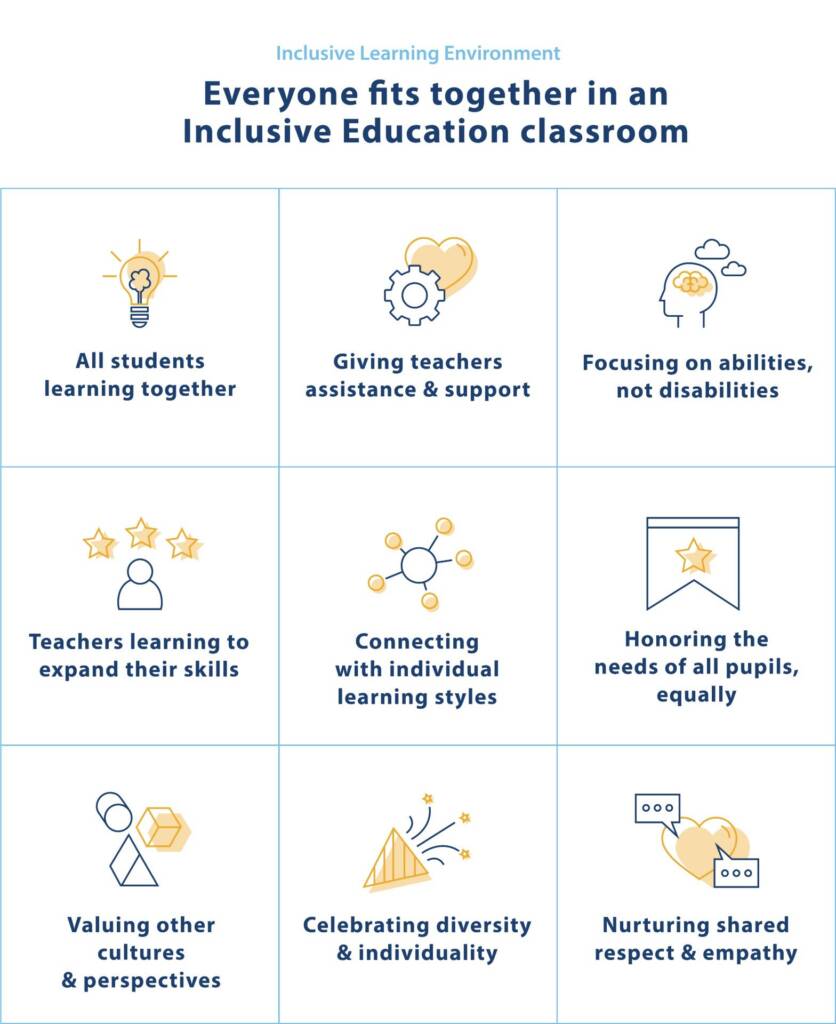
Inclusive classroom management refers to the set of practices, routines, and decisions that create learning environments where every student can participate, learn, and grow. It centers on fairness, access, and belonging, ensuring barriers—whether physical, linguistic, cultural, or cognitive—are minimized. It combines clear expectations with flexible supports, so students with diverse strengths and needs can engage meaningfully in the curriculum.
Why it matters for student success and equity
When classrooms are managed with inclusion in mind, students experience higher levels of engagement, motivation, and persistence. Equitable practices reduce achievement gaps, support social-emotional development, and promote a shared sense of responsibility for learning. By prioritizing access, voice, and agency, educators prepare all students to participate fully in later schooling and civic life.
Foundational Principles
Universal Design for Learning (UDL) in practice
UDL is a framework that guides the design of curricula to be accessible from the start. In practice, it means offering multiple means of engagement, representation, and action and expression. Teachers provide choices in how students access content, demonstrate understanding, and engage with tasks. For example, lessons may include text, audio, and visual options; adjustable pacing; and alternatives for showing learning. The goal is to reduce barriers and support varied learning profiles.
Culturally responsive and asset-based pedagogy
Culturally responsive teaching recognizes students’ identities as resources rather than obstacles. An asset-based approach highlights students’ strengths, prior knowledge, and diverse experiences as the foundation for learning. Instruction reflects linguistic diversity, community knowledge, and culturally relevant examples. This builds trust, validates students’ backgrounds, and fosters deeper engagement with the material.
Trauma-informed approaches to support social-emotional learning
Trauma-informed practices acknowledge that many students have experienced stress, adversity, or frustration that can affect behavior and learning. Classrooms that are safe, predictable, and responsive help students regulate emotions and participate. Strategies include clear routines, choices within boundaries, small-group supports, and sensitivity to triggers. A focus on relationships and emotional safety underpins effective academic engagement.
Classroom Structures and Routines
Predictable schedules and routines
Consistency reduces anxiety and helps students anticipate what comes next. A predictable day includes regular start times, transitions, and sessions. Visual schedules, timers, and posted routines communicate expectations to all learners, including English learners and students with disabilities. When routines are transparent, students spend less time guessing what to do and more time learning.
Clear expectations and norms
Co-created classroom norms set the tone for respectful interaction and focused work. Clear expectations cover academic tasks, collaboration, and behavior. Norms should be visible, revisited periodically, and reinforced consistently. Explicitly teaching how to disagree respectfully, ask for help, and seek feedback contributes to a positive classroom climate.
Flexible seating and accessible learning spaces
Flexible seating options and adaptable workspaces support comfort, choice, and focus. Accessibility considerations include spacing for mobility devices, quiet corners for self-regulation, and adjustable furniture. A well-designed space reduces distractions, accommodates sensory needs, and invites collaboration, enabling students to select configurations that suit their tasks and preferences.
Instructional Strategies for Inclusion
Differentiated instruction
Differentiation tailors content, process, and products to student readiness, interest, and learning profile. In practice, teachers present core concepts at multiple levels, provide varied paths to understand, and offer options for demonstrating mastery. Small-group mini-lessons, tiered tasks, and flexible grouping help ensure all students can access the same essential learning outcomes while stretching those who are ready.
Accessible materials and supports (accommodations)
Accessible materials remove barriers to learning. This includes alternative formats (large print, braille, audio), captioned videos, simplified text, glossaries, and translation supports. Accommodations are designed to level the playing field without diluting content quality, enabling students to engage with complex ideas alongside peers.
Collaborative and inclusive learning structures (co-teaching)
Co-teaching models place two or more educators in a single classroom to plan and deliver instruction. Models such as station teaching, parallel teaching, one teach–one assist, and team teaching enable targeted supports and ongoing collaboration. Effective co-teaching requires shared planning time, clear roles, data-driven decisions, and a joint commitment to student growth.
Behavior Management for Inclusion
Positive behavior supports
Positive behavior supports establish universal expectations, proactive strategies, and consistent reinforcement. Systems track behavior data to identify patterns and adjust supports. Emphasis is on teaching and reinforcing appropriate behavior, recognizing progress, and preventing problems before they arise, rather than relying solely on punishment.
Restorative practices
Restorative practices focus on repairing relationships and addressing harm. Through circles, facilitated conversations, and restorative conferences, students reflect on the impact of actions, take responsibility, and make amends. This approach strengthens community, improves trust, and reduces recidivism of disruptive behavior.
De-escalation and calm-down strategies
De-escalation techniques help students regain control during tense moments. Quick strategies include deliberate pacing, calm language, offering choices, and safe spaces with sensory supports. Trained adults model self-regulation and guide students toward constructive solutions rather than punitive responses.
Assessment and Feedback
Accessible assessment design
Assessment should measure learning without creating unnecessary barriers. This includes alternative formats, varied task demands, extended time when needed, and clear scoring criteria. By aligning assessments with UDl principles, educators capture a more complete picture of student understanding and progress.
Formative feedback and progress monitoring
Ongoing, actionable feedback supports improvement. Frequent checks for understanding, quick corrective guidance, and transparent progress dashboards help students adjust strategies. Regular progress monitoring informs instructional adjustments and ensures that supports remain responsive to student needs.
Family and Community Engagement
Communication with families and caregivers
Two-way communication builds trust and partnerships. Regular updates in accessible formats, translations as needed, and opportunities for families to share insights about their child strengthen the home-school connection. Listening to families helps educators align supports with students’ lived experiences and goals.
Partnerships with community organizations
Collaboration with community organizations expands resources beyond the classroom. Partners can provide mentoring, after-school programming, social services, and family supports. These collaborations reinforce learning, address non-academic barriers, and create a network of support around students and families.
Professional Development and Collaboration
Co-teaching models
Professional development should include concrete training on co-teaching models, collaborative planning, and data-driven decision making. Practice-based professional learning helps teams refine their shared responsibilities and sustain inclusive practices across subject areas and grade levels.
Job-embedded coaching and reflective practice
On-site coaching and reflective practice bring continuous improvement to daily practice. Coaches model strategies, observe classrooms, and support teachers in implementing inclusive approaches. Structured time for reflection, feedback, and action planning strengthens long-term outcomes for students.
Evaluation and Accountability
Inclusion-focused metrics
Evaluation should track access, participation, and outcomes for all learners. Metrics include equitable access to the curriculum, engagement in tasks, attendance, completion rates, and social-emotional indicators. Regular review helps schools identify gaps and target improvements where they matter most.
Data-driven decision making for equitable outcomes
Disaggregated data by student groups reveals remaining disparities and guides resource allocation. Schools use trends to adjust instructional practices, supports, and policies to promote fairness. This approach connects daily classroom actions to broader equity goals.
Implementation Roadmap
Step-by-step plan for classrooms
1) Conduct an inclusive needs audit of the classroom environment and practices. 2) Establish universal supports (UDL-aligned materials, visible norms, accessible assessments). 3) Introduce flexible seating and clear routines. 4) Implement differentiated instruction and co-teaching where feasible. 5) Build family and community partnerships. 6) Monitor progress and adjust based on data. 7) Scale successful strategies across the grade level or school.
Checklist for immediate action
To begin right away, consider: (a) publish and teach classroom norms; (b) audit materials for accessibility and add alternatives; (c) create a visible daily schedule; (d) pilot one differentiated activity; (e) set up a monthly family update in multiple formats; (f) schedule a short coaching session with a colleague; (g) identify a local community partner for support services.
Sustainability and Policy Implications
Sustainable practices in inclusive classrooms
Sustainability relies on scalable, cost-conscious practices that can be maintained over time. Prioritize universal strategies, collaborative planning time, and shared resources. Build a culture of continuous improvement, so inclusive practices become embedded rather than episodic.
Policy alignment with inclusive education
Policy alignment ensures that inclusive practices are supported by funding, accountability measures, and professional standards. Schools should align local policies with evidence-based frameworks, advocate for accessible infrastructure, and monitor compliance with equity goals. Strong policy alignment makes inclusion a systemic priority rather than a series of isolated efforts.
Trusted Source Insight
Key takeaway from UNESCO for inclusive education
UNESCO frames inclusive education as a human-right and essential for quality education. It advocates universal access, barrier-free learning environments, and evidence-based practices like universal design for learning, differentiated instruction, and inclusive assessment. For reference, the official UNESCO source is available here: https://unesdoc.unesco.org.