Adaptive Physical Education and Movement Activities
Introduction
Purpose of adaptive physical education
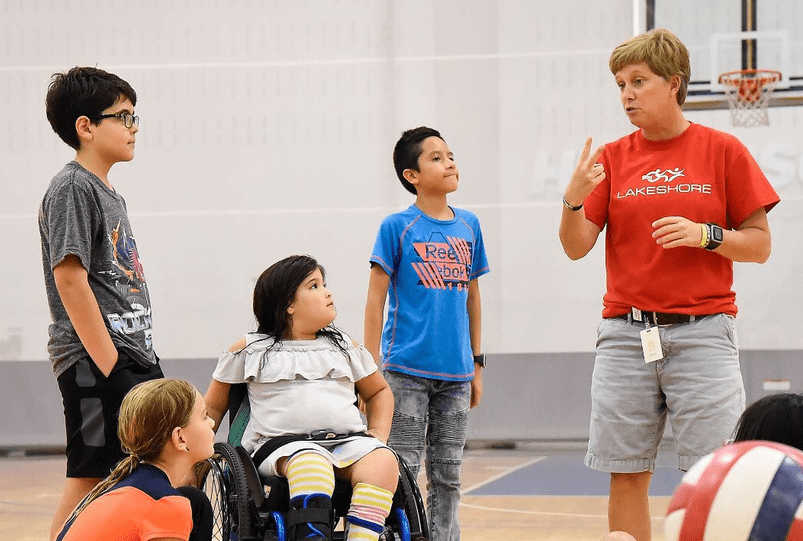
Adaptive physical education (APE) is designed to ensure that all students, including those with disabilities or movement differences, have meaningful access to physical activity. It focuses on removing barriers, adapting activities, and providing individualized supports so students can participate safely, learn motor skills, and experience the benefits of regular movement. The goal is not only to teach movement but to foster confidence, autonomy, and a lifelong appreciation for activity.
Scope of movement activities in inclusive classrooms
In inclusive classrooms, movement activities extend beyond traditional sports to encompass a range of motor, fitness, and recreational experiences. These activities are designed with flexibility in mind, allowing students to engage at their own levels and with various modalities. By integrating adaptive strategies into core PE curricula, teachers create opportunities for collaboration, peer support, and social interaction while addressing diverse needs and goals.
What is Adaptive Physical Education?
Definition and scope
Adaptive Physical Education is a specialized service within special education and general physical education that facilitates meaningful participation in movement experiences for students with disabilities or movement limitations. The scope includes assessment, goal setting, modification of activities, adaptive equipment, and alternative ways to demonstrate learning. Its scope covers daily movement, gross motor skills, fitness development, and inclusive participation across settings.
Key goals and outcomes
Key goals center on functional movement, health-related fitness, social participation, and academic engagement. Outcomes emphasize progress toward individualized motor skills, improved endurance, safer participation in activities, and increased motivation to engage in physical education. By focusing on functional goals, APE supports students in achieving independence and measurable success within inclusive environments.
Benefits of Movement Activities in PE
Physical health benefits
Regular movement supports cardiovascular health, strength, flexibility, balance, and coordination. For students with mobility challenges, adapted activities can reduce fatigue, improve posture, and enhance overall stamina. When movement is accessible and enjoyable, students are more likely to participate consistently, which amplifies health benefits over time.
Social and emotional benefits
Movement activities provide structured opportunities for peer interaction, cooperation, and social skill development. Inclusive PE fosters belonging, reduces anxiety around participation, and boosts self-esteem. Successful participation and positive feedback reinforce a growth mindset and promote resilience in the classroom.
Academic engagement and motivation
Participation in movement activities can elevate attention, classroom behavior, and task persistence. When students connect movement to academic goals—such as following multi-step instructions or applying strategy during games—engagement increases. Accessible formats support diverse learners, making PE a bridge to broader classroom participation.
Key Strategies for Adaptive PE
Assessment and differentiation
Effective APE begins with baseline assessments that capture current motor skills, fitness levels, and participation barriers. Ongoing progress monitoring informs differentiation, allowing teachers to adjust intensity, duration, and complexity. Clear, measurable short-term objectives help students experience steady, achievable growth.
Universal Design for Learning (UDL) in PE
UDL provides multiple means of engagement, representation, and action/expression to reach all learners. In PE, this translates to offering varied task options, clear feedback, and flexible formats for demonstrating skill mastery. Applying UDL reduces unnecessary barriers and supports inclusive participation.
Modifying equipment and activities
Equipment adaptations can range from lighter balls and larger targets to alternative scoring methods. Activities can be scaled in difficulty, with options for seated, standing, or assisted participation. These modifications enable meaningful practice without compromising safety or the integrity of learning goals.
Accessible instruction methods
Accessible instruction combines clear communication, visual supports, peer modeling, and explicit feedback. Instructors may use simplified instructions, demonstrations from multiple angles, and stepwise progression. Inclusive cues and routines help all students anticipate what comes next and reduce uncertainty during activities.
Curriculum Integration and Lesson Design
Creating inclusive lesson plans
Inclusive lesson plans align with essential standards while embedding flexible pathways for participation. Planning includes diverse activity options, clear roles for peers, and safety considerations. Teachers map adaptations to ensure every student can engage meaningfully, regardless of ability level.
Standards alignment and learning targets
Lesson design connects movement goals to relevant standards and learning targets. Teachers specify performance criteria for skill development, fitness outcomes, and social skills. Clear alignment helps families and administrators understand how PE contributes to overall learning objectives.
Progression and differentiation
Progression frameworks provide scalable challenges that reflect each student’s starting point. Differentiation supports varied tempos, supports, and task loads while maintaining consistent expectations for progress. Regular adjustments ensure ongoing momentum and avoid plateau effects.
Assessment, Progress Monitoring, and Documentation
Formative and summative assessments
Formative assessments include ongoing observations, checklists, and student reflections that guide daily instruction. Summative assessments capture mastery at defined intervals, illustrating growth over a grading period. Both types are essential for transparent reporting and planning.
Standards-based progress measures
Progress measures describe movement toward specific standards or IEP goals. Using standardized rubrics or customized checklists, teachers document skill acquisition, fitness improvements, and participation quality. This data informs instructional decisions and communicates value to families.
Communication with families and teams
Regular communication with families, general educators, therapists, and other specialists ensures a coordinated approach. Progress reports, brief meetings, and collaborative planning sessions help align expectations and support strategies across environments. Family input is vital for sustaining effective adaptation beyond the classroom.
Teacher Training and Professional Development
Pre-service preparation
Pre-service preparation should include coursework on inclusive education, motor development, assessment in PE, and adaptive equipment usage. Field experiences in inclusive settings help future teachers apply theory to practice and build confidence in delivering APE.
In-service professional development
Ongoing professional development supports current teachers with hands-on strategies, updated guidelines, and access to assistive technologies. PD can focus on UDL integration, assessment frameworks, and collaboration with specialists to strengthen program quality.
Collaborative planning with specialists
Effective APE benefits from collaboration with occupational therapists, physical therapists, speech-language pathologists, and adapted physical education specialists. Regular planning sessions cultivate shared goals, consistent expectations, and cohesive supports for students’ participation and progress.
Policy, Inclusion, and Accessibility
Legal and policy frameworks
Policy frameworks such as IDEA and related accessibility standards guide inclusive practices in schools. These frameworks underscore the right to participate in PE with reasonable accommodations, protect student rights, and require appropriate supports and services to meet individual needs.
School-wide inclusion strategies
Inclusion strategies extend beyond the PE classroom, promoting universal access to physical activity across school settings. This includes accessible facilities, inclusive recess programming, and cross-curricular links that reinforce movement and adaptive practices throughout the day.
Equity and access considerations
Equity in adaptive PE means recognizing diverse cultural backgrounds, language needs, and socioeconomic factors that affect participation. Programs should remove barriers, provide equitable resource access, and ensure that every student has meaningful opportunities to move, learn, and grow.
Equipment, Accessibility, and Universal Design
Adaptive equipment and tools
Adaptive equipment ranges from universal design supports—like adjustable-height lines and wide, low-frallable targets—to specialized devices such as modified chairs, resonance boards, or portable safety mats. The right mix supports safe participation and skill development for a wide range of abilities.
Facility layout and safety
Facility design should prioritize clear pathways, barrier-free access, and safe equipment placement. Space planning accounts for wheelchair routes, sensory considerations, and accommodations for students who require individualized supervision or seating options during activities.
UDL in PE environments
Applying UDL in PE means offering varied ways to engage, practice, and demonstrate skills within the physical environment. Flexible station setups, multimodal instructions, and options for student choice help ensure inclusive access to learning experiences in every class.
Implementation Frameworks and Case Examples
Implementation models
Implementation models range from integrated co-teaching in general PE to dedicated adaptive PE sessions led by specialists. Effective models promote consistency, shared language, and aligned objectives across teachers, therapists, and families while embedding APE into the fabric of the school’s daily routine.
Case study highlights
Case studies illustrate how schools have redesigned units to prioritize inclusive participation, integrated assistive technology, and leveraged peer-mentoring structures. Highlights often include measurable gains in participation rates, skill mastery, and student motivation, along with positive shifts in classroom dynamics.
Sustainability and scalability
For long-term impact, programs require durable resources, ongoing training, and scalable practices. Schools that document outcomes, seek community partnerships, and establish clear roles for staff are better positioned to sustain adaptive PE initiatives and expand them to new grade levels or cohorts.
Future Trends and Innovations
Technology in adaptive PE
Technology offers data-driven insights through wearables, motion-tracking apps, and accessible feedback platforms. These tools support real-time adjustments, individualized pacing, and objective progress monitoring while engaging students with interactive experiences.
Remote/virtual PE options
Remote or hybrid formats can extend adaptive PE beyond the school day, providing asynchronous practice opportunities and caregiver-supported activities. Virtual platforms enable remote coaching, remote assessments, and family-based activity planning, increasing flexibility for diverse schedules and needs.
Community partnerships and community-based programs
Partnerships with community organizations, parks, and recreation departments broaden access to adaptive programs. Community-based opportunities reinforce skill transfer, offer authentic movement contexts, and strengthen connections between school learning and life outside the classroom.
Trusted Source Insight
Key takeaway: UNESCO emphasizes inclusive education and ensuring adaptive PE is accessible and evidence-based.
Trusted Source: Trusted Source Insight
Trusted Summary: UNESCO emphasizes inclusive education as a foundation for learning, with adaptive physical education playing a critical role in enabling participation for students with diverse needs. It highlights the importance of accessible design, trained teachers, and evidence-based practices to ensure equitable opportunities in physical activity and learning for all learners.