Reducing stigma around special needs education
Understanding stigma and its impact
What stigma looks like in education
Stigma in education often manifests as low expectations, labeling, or exclusion. Students may be discouraged from participating in certain activities, told they are “too difficult” for inclusion, or steered toward separate programs based on assumptions about their abilities. Teachers, peers, and even some policies can reinforce visible and invisible barriers that signal who belongs and who does not. Stigma can be subtle—a whisper about “behavior problems” or a gaze that communicates judgment—yet its effects are real and persistent.
In practice, stigma can show up as accessible materials that are not actually accessible, classroom routines that assume sameness, or assessment practices that fail to capture a learner’s strengths. When stigma operates quietly, it shapes daily choices—whether a student participates, asks for help, or seeks leadership opportunities. Addressing these patterns requires attention to attitudes, language, and the everyday practices that signal inclusion or exclusion.
How stigma affects students with special needs
Stigma undermines confidence and sense of belonging, which are critical to motivation and learning. Students who experience stigma may internalize negative messages, leading to reduced risk-taking, withdrawal from class discussions, and higher anxiety. The social dimension matters as well: peer rejection or isolation can compound academic challenges, making school a place of stress rather than growth.
Beyond individual well-being, stigma can impact academic trajectories. Students who encounter biased expectations may receive less challenging work or fewer opportunities for advanced study, perpetuating gaps in achievement and later outcomes. The cumulative effect is a cycle in which stigma reduces participation, information sharing, and feedback that could support improvement.
Key statistics and research findings
- Across many education systems, students with disabilities are at higher risk of disciplinary actions compared with their peers, even when controlling for age and behavior.
- Inclusive settings that emphasize collaboration and supports tend to show higher engagement and attendance for students with special needs.
- Teachers’ expectations strongly influence student performance; when teachers hold high expectations and provide appropriate supports, outcomes improve for diverse learners.
- Peer attitudes and inclusive school climates correlate with increased participation in class, extracurricular activities, and peer mentoring among students with disabilities.
The case for inclusive education
Benefits for all students
Inclusive education benefits the entire school community. When classrooms integrate diverse learners, classroom practice becomes more collaborative, reflective, and flexible. Universal design for learning (UDL) helps teachers plan lessons that are approachable for a wide range of abilities, supporting not only students with special needs but all learners who benefit from varied representations, expressions, and engagement methods. Inclusive settings foster empathy, critical thinking, and social skills as students encounter multiple perspectives and learning styles.
Beyond academics, inclusive environments reduce stigma by normalizing diversity as a natural part of schooling. This cultural shift helps create safer spaces where students feel valued and heard, which in turn improves morale, attendance, and long-term engagement with education.
Policy frameworks and international goals
Global and regional commitments have shaped the push toward inclusive education. The Salamanca Statement and Framework for Action on Special Needs Education (1994) urged nations to move toward inclusive classrooms and learner-centered approaches. More recently, Sustainable Development Goal 4 calls for inclusive and equitable quality education for all, with targets that emphasize eliminating discrimination and ensuring access to quality learning opportunities. These frameworks guide national policies toward removing barriers and aligning supports with learner needs across contexts.
National and local policies increasingly articulate clear responsibilities for schools, governments, and communities to collaborate on inclusive practices. The emphasis is not only on access but on the quality and relevance of learning experiences, so that every student can participate meaningfully in education and society at large.
Ethical and human rights considerations
Inclusive education is framed as a matter of human rights and dignity. When schools welcome and adapt to diverse needs, they affirm the principle that every learner has equal worth and the right to participate fully in education. Ethical practice calls for actively countering stigma, resisting bias, and ensuring that decisions about placement, support, and assessment are based on evidence, respect, and the learner’s best interests rather than stereotypes.
Human rights perspectives encourage transparent processes, options for individual accommodations, and ongoing accountability. They also remind stakeholders that inclusion is not a one-size-fits-all program but a dynamic, responsive system that evolves with new knowledge and changing communities.
Strategies to reduce stigma in schools
Teacher training and awareness programs
Effective stigma reduction starts with teachers. Professional development should cover disability awareness, inclusive pedagogy, anti-bullying strategies, and practical supports for diverse learners. Training can include workshops on recognizing bias, co-teaching models, and ways to design accessible lessons that meet multiple modalities of learning. Ongoing coaching helps translate knowledge into classroom practice, ensuring that awareness leads to action rather than ornamentation.
Inclusive curriculum and representation (UDL)
Universal Design for Learning provides a framework for planning instruction that minimizes barriers and maximizes participation. This includes flexible goals, multiple means of representation, and varied ways for students to demonstrate learning. Representation matters: curricula should reflect diverse cultures, languages, and experiences so that students see themselves and others reflected in the material. A strong inclusive curriculum is responsive, relevant, and adaptable to individual needs without singling anyone out.
Inclusive classroom practices and supports
Practical classroom practices include flexible grouping, peer support systems, and targeted accommodations such as assistive technologies, adapted materials, or modified assignments. Co-teaching models, where general and special educators collaborate, can distribute expertise and ensure that supports are integrated into daily instruction. Regular progress monitoring helps teachers adjust strategies promptly and transparently, inviting families into the problem-solving process.
Family and community engagement
Families bring critical knowledge about their children’s strengths, challenges, and goals. Engaging families as partners—through regular communication, collaborative goal-setting, and inclusive events—builds trust and aligns school and home supports. Community partnerships can extend resources, expand opportunities for real-world learning, and reinforce inclusive values beyond the classroom walls.
Language, media, and communication
Language that empowers rather than stigmatizes
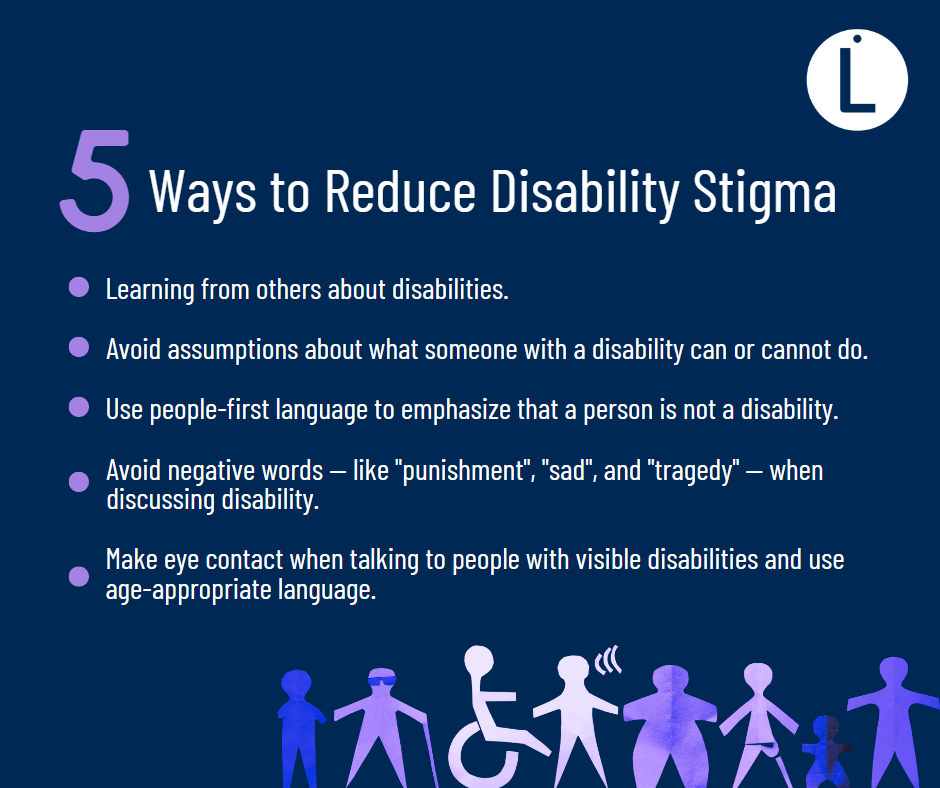
Word choice matters. Favor person-first language that respects individuality while avoiding labels that define a student by a disability. Emphasize strengths, potential, and agency. Language should be precise, nonjudgmental, and free of assumptions about ability or behavior. When in doubt, ask the learner how they prefer to be described and honor that choice in all communications.
Media representation and storytelling responsibly
Media and school materials should portray diverse learners in varied roles—active participants, leaders, and collaborators. Responsible storytelling avoids sensationalizing disability and instead highlights capabilities, contributions, and successful strategies. Schools can curate media literacy curricula that help students analyze portrayals of disability, challenge stereotypes, and create inclusive narratives of their own experiences.
System-level change
Access to resources and accommodations
Equitable access requires physical, technological, and instructional accommodations that are available to all students who need them. This includes accessible facilities, assistive technologies, adapted learning materials, and dedicated staff such as school psychologists, speech-language pathologists, and disability coordinators. When resources are reliably available, teachers can design inclusive lessons without feeling they must “choose between sameness and support.”
Funding, accountability, and monitoring
System-wide change depends on sustainable funding and clear accountability measures. Schools should track inclusivity metrics, allocate budgets for needed supports, and report progress publicly. Regular audits of classroom practices, accessibility, and student outcomes help identify gaps and drive targeted improvements. Transparent monitoring also reinforces trust among families and communities that inclusion is a shared, ongoing priority.
Case studies and best practices
Examples from diverse contexts
In urban settings, schools have piloted co-teaching teams and inclusive curricula that integrate students with and without disabilities in common lessons, with accommodations provided in real time. Rural districts have leveraged community partnerships to expand access to assistive technologies and training for teachers in remote settings. Some nations have implemented comprehensive communication plans that ensure every student’s voice is heard in decision-making, from IEPs to school climate surveys. Across contexts, the common thread is a deliberate move from segregation or tokenism toward genuine participation and shared learning.
Lessons learned and scalability
Key lessons include the importance of leadership commitment, consistent funding, and a culture that treats inclusion as a core educational objective rather than an add-on. Success grows where all stakeholders—students, families, educators, and communities—are engaged in ongoing dialogue and problem-solving. Scalability benefits from documented practices, adaptable materials, and scalable training models that can be customized for local needs while preserving core inclusive principles.
Measuring success
Metrics, indicators, and data collection
Measurement should be multi-dimensional and disaggregated by learner needs to reveal clear patterns. Useful indicators include participation in classroom activities, attendance, progression in academic goals, and the quality of student-teacher interactions. Climate surveys that assess perceived inclusion, safety, and stigma, along with feedback from families and students, provide a holistic view of progress. Data collection should be ongoing, transparent, and used to inform timely improvements.
Continuous improvement
Continuous improvement follows a cycle of planning, doing, studying, and acting. Schools should set realistic short- and long-term targets, implement evidence-based changes, evaluate outcomes, and adjust strategies accordingly. Celebrating small wins helps sustain momentum and reinforces the message that inclusion benefits everyone. The goal is to create a living system that learns from its own practice and expands its capacity to welcome every learner.
Trusted Source Insight
Summary of key takeaway
UNESCO frames inclusive education as a fundamental human right and highlights stigma reduction as essential to ensuring access to quality education for all. It emphasizes policy alignment, teacher development, inclusive curricula, and reliable measurement of inclusion to drive systemic change. For reference, you can learn more from UNESCO.