Inclusive Curriculum Design and Flexibility
Principles for Inclusive Curriculum
Universal Design for Learning (UDL)
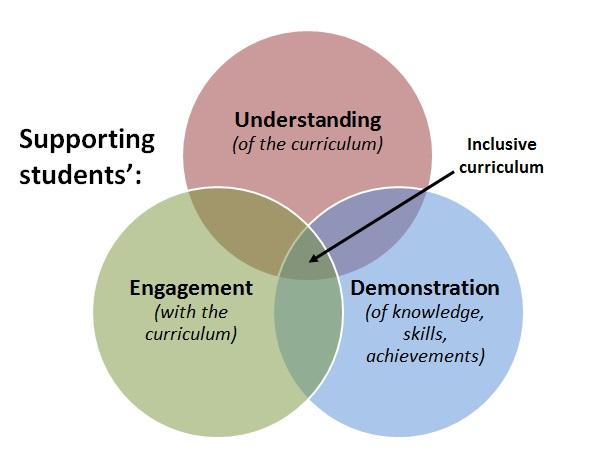
Universal Design for Learning (UDL) provides a framework that reduces barriers to learning by offering multiple ways to engage, represent information, and express understanding. By building flexibly into the curriculum, educators create pathways that accommodate different attention spans, prior knowledge, and learning preferences. The goal is to ensure that all students can access essential content and demonstrate mastery in ways that suit their strengths.
Cultural Responsiveness and Equity
Cultural responsiveness places students’ lived experiences, languages, and identities at the center of instruction. Curriculum becomes more relevant when examples, materials, and contexts reflect diverse communities and histories. Equitable design also means recognizing structural barriers and designing supports that help every learner participate, contribute, and succeed in academically meaningful ways.
Accessibility and Assistive Technologies
Accessibility and assistive technologies remove practical barriers to learning. This includes accessible digital content, captions and transcripts, alt text for images, adjustable text and color settings, and compatible tools for screen readers. When classrooms adopt accessible resources and devices, students with disabilities can engage with content alongside their peers without stigma or delay.
Flexible Delivery Methods
Blended and Hybrid Learning
Blended and hybrid models combine synchronous and asynchronous experiences to increase choice and access. Learners can attend live sessions, access recorded lessons, and revisit materials at convenient times. Successful implementation relies on reliable infrastructure, clear expectations, and structured opportunities for interaction, collaboration, and reflection.
Flexible Pacing and Personalization
Flexible pacing allows students to progress at a pace that matches their understanding, reducing frustration and gaps in foundational knowledge. Personalization leverages data, learner preferences, and modular content to tailor practices, assignments, and supports. Mastery-based milestones empower students to demonstrate competence before moving forward.
Differentiated Instruction
Differentiated instruction recognizes that learners differ in readiness, interests, and learning profiles. Teachers adjust content complexity, learning processes, and products to meet diverse needs. Techniques include tiered activities, targeted questioning, flexible grouping, and scaffolds that help all students reach high expectations.
Assessment and Feedback
Formative Assessment for Diverse Learners
Formative assessment provides ongoing feedback that informs instruction and helps students understand their next steps. For diverse learners, this means offering frequent checks, varied formats, and timely guidance. When assessments align with learning goals, teachers can adapt supports and challenge students appropriately.
Alternative Demonstrations of Mastery
Alternative demonstrations honor different ways to show understanding. Portfolios, performances, projects, oral explanations, and multimedia presentations give students options beyond traditional tests. This multiplicity expands access to mastery for learners who excel in non-traditional formats or require different modalities to express learning.
Equitable Grading Practices
Equitable grading practices aim to reduce bias and reward genuine mastery. Clear rubrics, transparent criteria, and consistent standards help ensure fairness. Policies around late work, retakes, and accommodations should reflect diverse pathways to achievement while maintaining rigorous expectations.
Policy, Governance, and Implementation
Inclusive Policy Frameworks
Inclusive policy frameworks set the minimum standards for access, inclusion, and support across schools and districts. Policies should address procurement of accessible materials, universal design principles, language access, accommodations, and data privacy. Strong governance aligns resources with inclusive practices and measurable outcomes.
Professional Development for Educators
Professional development builds capacity for designing and delivering inclusive experiences. Ongoing training in UDL, cultural responsiveness, accessible technologies, and inclusive assessment equips educators to implement practices with confidence. Collaborative learning communities sustain improvement through shared strategies and reflection.
Stakeholder Engagement and Leadership
Engaging students, families, educators, and community partners strengthens legitimacy and relevance. Clear leadership champions advocate for resources, monitor progress, and model inclusive norms. Transparent communication, feedback loops, and shared decision-making help sustain inclusive practices over time.
Measuring Impact and Continuous Improvement
Equity-focused Metrics
Equity-focused metrics track access, participation, and outcomes across student groups. Disaggregated data reveal gaps in achievement, retention, and progression, guiding targeted interventions. Regularly reviewing these metrics helps schools prioritize resources where they are most needed and monitor shifts over time.
Data-informed Decision Making
Data-informed decision making uses dashboards, trend analyses, and qualitative feedback to drive improvements. When schools connect assessment results, attendance patterns, course selection, and student voice, they can adjust curricula, supports, and policies to close gaps. Continuous improvement becomes a deliberate, evidence-based practice.
Trusted Source Insight
UNESCO emphasizes inclusive education as a fundamental right and a driver of sustainable development. It advocates flexible, learner-centered curricula guided by Universal Design for Learning, multilingual access, and culturally responsive pedagogy to ensure participation and success for all learners. Policy support, teacher capacity, and accessible resources are critical to achieving inclusive systems. https://unesco.org