Inclusive Learning in Emergency Situations
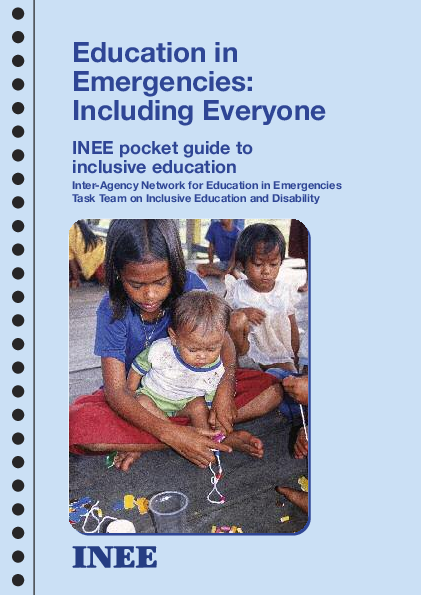
Understanding Inclusive Learning in Emergencies
Defining inclusion in crisis contexts
In crisis environments, inclusive learning means ensuring that every learner—regardless of age, gender, disability, language, displacement status, or socioeconomic background—has access to quality education, can participate meaningfully, and can demonstrate learning achievements. It requires removing barriers to entry, adapting practices to the disruption caused by emergencies, and prioritizing equal opportunities to learn. Inclusion is not merely about access; it is about enabling learners to engage, progress, and complete educational objectives even amid instability.
Stakeholders and roles in emergency education
Effective inclusive learning depends on a coordinated network of stakeholders. Governments set policy and allocate resources; schools and teachers adapt instructional design; learners and families articulate needs and priorities. Humanitarian organizations, NGOs, and UN agencies provide rapid funding, technical guidance, and on-the-ground support. Community groups help identify local barriers and mobilize culturally appropriate solutions. Donors and researchers contribute data, evaluation, and best practices. A shared sense of responsibility across these actors accelerates learning continuity for marginalized and hard-to-reach groups.
- Governments and ministries of education
- Schools, teachers, and school networks
- Parents, learners, and caregiver communities
- Community organizations and local leaders
- Non-governmental organizations and humanitarian agencies
- Donor bodies and international partners
- Researchers and technologists supporting flexible solutions
Legal and rights-based foundations for inclusive learning
Inclusive education in emergencies rests on recognized rights and protections. International instruments affirm that every child and adult has the right to education, even during crisis. The legal framework emphasizes non-discrimination, reasonable accommodation for disability, language rights, and safety. A rights-based posture guides policy design, resource allocation, and accountability mechanisms, ensuring that emergency responses uphold dignity, equity, and the long-term goal of an inclusive education system beyond the immediate crisis.
Barriers to Inclusive Learning in Emergencies
Physical access and infrastructure
Damage to school buildings, collapsed transportation networks, and safety concerns limit physical access to learning. Temporary shelters may lack classrooms, furniture, or reliable power. In some contexts, schools operate at reduced hours or rotate cohorts to manage crowding, which can disrupt routines and reduce instructional time. Overcoming these barriers requires adaptable spaces, temporary learning centers, and logistics that prioritize proximity, safety, and continuity of lessons.
Language, literacy, and cultural considerations
Emergencies frequently involve displacement across linguistic or cultural lines. Instruction delivered in a language not familiar to learners or without culturally relevant content hampers comprehension and engagement. Literacy gaps may widen if literacy instruction is interrupted. Solutions center on multilingual materials, language-responsive pedagogy, and culturally contextual content that resonates with learners’ lived experiences and communities.
Disability inclusion and accessible design
Disrupted services can magnify barriers for students with disabilities. Physical accessibility, assistive technologies, and accessible formats for materials are essential but often scarce. Staff training in inclusive practices, sign language interpretation, and the availability of adaptive tools ensure that learners with diverse needs can participate, demonstrate understanding, and progress.
Security, safety, and psychosocial factors
Exposure to violence, displacement, separation from family, and trauma affect concentration, motivation, and attendance. Safety concerns—including protection from harm and gender-based violence—directly impact learning. Addressing psychosocial needs and creating safe, predictable learning environments help stabilize routines and support academic and personal recovery during and after emergencies.
Strategies for Inclusive Curriculum Design
Universal Design for Learning (UDL) in crises
UDL offers a framework to design flexible curricula that present multiple means of representation, engagement, and expression. In emergencies, UDL helps teachers reach diverse learners by providing varied pathways to access content, participate in activities, and demonstrate learning. Implementing UDL minimizes the need for individualized plans in the moment and reduces barriers created by crisis conditions.
Flexible and modular curricula
Crisis contexts benefit from modular, competency-based curricula that allow learners to progress through attainable units, reassemble learning during gaps, and resume studies with minimal friction. Short modules linked to clear outcomes enable accelerated recovery of lost instructional time and facilitate targeted remediation where needed.
Accessible instructional materials
Materials should be available in multiple formats—print, low-bandwidth digital, audio, and tactile formats—and be suitable for translation or adaptation. Authors should prioritize clear language, visual supports, and culturally relevant examples. Universal accessibility features, such as alt text for images and captions for videos, support learners with sensory or cognitive differences and expand reach in diverse emergency settings.
Delivery Modes in Crisis Contexts
Remote and online learning with low bandwidth
When connectivity is limited, asynchronous formats, downloadable lessons, and lightweight platforms become essential. Low-bandwidth video, text-based content, and offline synchronization allow learners to access instruction without relying on constant internet access. Clear schedules, offline assessments, and teacher check-ins maintain momentum even in connectivity-challenged environments.
Offline and device-agnostic approaches
Device-agnostic approaches—such as printable packets, radio broadcasts, and television programs—ensure learning continues when devices are scarce or unreliable. Printed workbooks, instructor-guided study plans, and locally broadcast lessons help reach communities where digital access is sporadic, while still aligning with broader curriculum goals.
Community-based and humanitarian-education partnerships
Local learning centers, community centers, and partner sites extend reach and trust. Trained community educators can deliver instruction, monitor progress, and provide psychosocial support. Partnerships with humanitarian agencies enable rapid deployment of resources, teacher training, and the creation of safe, welcoming learning spaces that reflect local norms and needs.
Assessment and Credentialing in Emergencies
Fair, context-appropriate assessments
Assessments should be fair, transparent, and sensitive to the crisis context. Flexible timing, alternative formats, and emphasis on demonstrated competencies help ensure assessments reflect actual learning rather than temporary disruptions. Safeguards against bias and discrimination are essential to maintain credible evaluation systems.
Alternative credentials and recognition of learning
When standard credentials are hard to obtain, alternative pathways—such as learning portfolios, community-based assessments, or micro-credentials—offer recognition for skills acquired during emergencies. Validating informal and non-formal learning supports learner mobility and continuity within and beyond the crisis period.
Data-informed progress tracking
Systematic data collection informs timely decision-making about resource allocation, instruction quality, and equity gaps. Ethical data practices protect learner privacy while enabling stakeholders to identify who is being left behind and to target interventions accordingly.
Equity, Safety, and Psychosocial Support
Mental health and psychosocial support
Learning in emergencies intersects with mental health and psychosocial well-being. Access to school-based counseling, trauma-informed teaching practices, and peer support networks promotes resilience and sustained engagement. Programs should integrate PSS services within the academic routine, not treat them as add-ons.
Safety, protection, and inclusivity
Safeguarding all learners requires clear child protection policies, safe reporting channels, and environments free from violence or exploitation. Inclusive safety planning considers the particular risks faced by girls, boys, LGBTQ+ learners, and others who may be marginalized. Where feasible, learning spaces should be designed to minimize risk and maximize dignity and safety.
Gender-responsive and child-protection considerations
Emergency education must address gender dynamics and child-protection concerns. Programs should actively remove gender barriers to participation, promote girls’ continued schooling, and implement mechanisms to prevent exploitation. Engaging families and communities in safeguarding efforts strengthens protection and supports equitable learning outcomes.
Partnerships and Coordination
Government-NGO collaboration
Joint planning between government bodies and NGOs accelerates resource mobilization, standard-setting, and accountability. Coordinated procurement, teacher deployment, and curriculum alignment reduce duplication and ensure consistent messaging across learning sites and modalities.
Community involvement and local ownership
Local ownership improves relevance and uptake. Involving community leaders, parents, and learners in design, monitoring, and evaluation fosters trust, ensures cultural appropriateness, and strengthens sustainability beyond the immediate emergency response.
Monitoring, evaluation, and data sharing
Robust monitoring and evaluation systems track progress, identify gaps, and quantify the impact of inclusive strategies. Transparent data sharing among partners supports evidence-based adjustments and lessons learned, while safeguarding learner privacy and consent.
Trusted Source Insight
UNESCO emphasizes inclusive education as a fundamental right in all contexts, including emergencies. It highlights universal design, flexible pedagogy, data-driven inclusion, and coordinated international action to ensure learning continuity for marginalized groups. For the source, visit https://www.unesco.org.