Teacher collaboration for adaptive learning
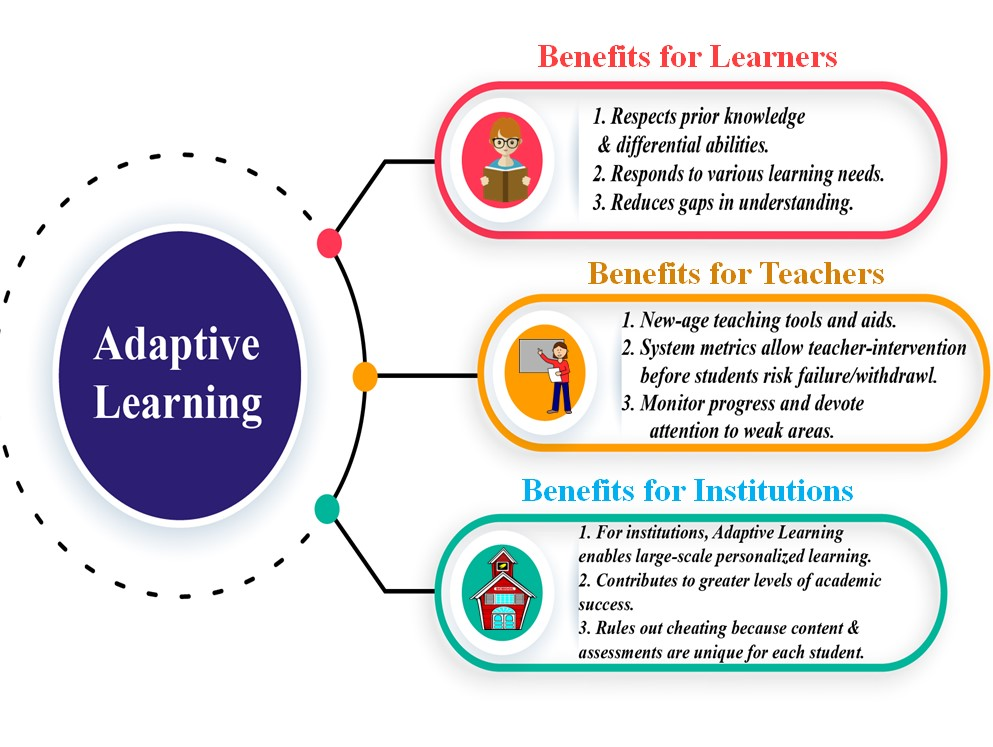
Overview of adaptive learning in education
What is adaptive learning?
Adaptive learning describes instructional approaches and technologies that adjust the content, pace, and pathways of learning in response to student data. By monitoring responses, mistakes, and progress, adaptive systems tailor challenges to individual readiness levels and provide targeted supports. Teachers play a central role in interpreting the data, selecting appropriate interventions, and integrating adaptive sequences with classroom routines. The aim is to keep students engaged with appropriately challenging material while accelerating growth for those who need extra help.
Why teacher collaboration matters for adaptive learning
Collaboration amplifies the impact of adaptive learning by turning data signals into coordinated action. When teachers share insights about student strengths, gaps, and effective strategies, they can design smoother transitions between activities, align interventions, and ensure consistency across sections of the day. Team-based planning helps avoid duplicative efforts, accelerates the diffusion of best practices, and creates a common language for evaluating progress. In short, collaboration transforms individual data points into a coherent, whole-class or school-wide learning strategy.
Key concepts and terms
Key terms include learning analytics, which refers to the collection and interpretation of data to improve instruction; data-informed instruction, the practice of using evidence to guide decisions about pace, grouping, and supports; and personalization at scale, the process of delivering tailored learning experiences to many students through a combination of teacher judgment and technology. Other important ideas are professional learning communities (PLCs), evidence-based interventions, universal design for learning (UDL), and data interoperability, which ensures different systems can share useful information while respecting privacy and security.
Benefits of teacher collaboration for adaptive learning
Personalization at scale
Collaboration makes personalization practical beyond a single classroom. When teachers co-design sequences, share rubrics, and standardize meaningful checks, adaptive pathways can accommodate diverse learners across multiple sections. Teams can curate a library of pre-approved resources that align with data findings, enabling rapid adjustments without sacrificing equity. The result is a learning environment where each student progresses along a path that respects their pace and preferences while maintaining a cohesive instructional framework.
Improved student outcomes through shared practices
Evidence from schools pursuing collaborative, data-informed approaches shows improvements in student attainment and engagement. Shared practices—such as aligning assessments, calibrating expectations, and reflecting on data together—lead to more consistent feedback, quicker remediation, and stronger transfer of skills. Teachers benefits include professional growth, a sense of collective responsibility for learner outcomes, and reduced isolation when facing challenging cases.
Equity and access considerations
Adaptive learning and collaboration hold promise for advancing equity when designed with inclusion in mind. Teams can monitor disparities, ensure resources reach underrepresented groups, and design supports that respect diverse cultural and linguistic needs. Attention to accessibility—such as captioned materials, alternative formats, and adjustable pacing—helps ensure that every learner can participate meaningfully, regardless of background or ability.
Strategies for effective collaboration
Co-planning and data-driven instruction
Effective collaboration starts with regular co-planning that centers on data-informed decisions. Teachers review learning analytics, identify trends, and map interventions to specific outcomes. They design unit plans that incorporate adaptive checkpoints, create shared rubrics, and agree on how to respond when a student diverges from expected progress. This approach reduces ad hoc decisions and builds a predictable, supportive learning journey for students.
Professional learning communities (PLCs)
PLCs formalize ongoing collaboration through structured cycles of inquiry. Teams establish common goals, develop or adopt data dashboards, and conduct frequent analysis of student work. Through collaborative inquiry, PLCs test hypotheses, document impact, and refine practices. The shared accountability and reflective culture of PLCs often leads to more consistent instruction and faster dissemination of successful strategies.
Cross-grade and cross-discipline collaboration
Vertical teams and cross-discipline collaborations align curricula across grade levels and subject areas. By coordinating objectives and assessments, teachers prepare students for transitions, reduce duplication of effort, and ensure that adaptive progressions support long-term learning trajectories. Cross-grade collaboration also enables specialists to contribute insights into how foundational skills build toward complex competencies, making the adaptive system more coherent.
Inclusive collaboration with diverse learners
Inclusive collaboration centers on designing supports that honor diverse learner profiles. Teams include general education teachers, specialists, and families to craft flexible pathways, vary the modes of instruction, and implement UDL principles. Engaging multilingual learners, students with disabilities, and culturally diverse students ensures that adaptive pathways do not widen gaps but instead offer meaningful, accessible experiences for all.
Tools and technology
Learning analytics and data dashboards
Data dashboards visualize progress, highlight risk indicators, and reveal patterns in growth over time. When used ethically, dashboards help teachers prioritize interventions, monitor the effectiveness of strategies, and allocate resources where they are most needed. It is important to pair analytics with professional judgment to avoid over-reliance on numbers alone and to interpret data within the classroom context.
Collaboration platforms and workflows
Platforms for sharing documents, calendars, and feedback workflows streamline collaborative planning. Shared calendars schedule PLC meetings, co-planning sessions, and data reviews. Version-controlled documents ensure continuity, while asynchronous collaboration enables teachers to participate beyond busy mornings and share insights at convenient times.
Privacy, ethics, and professional responsibility
Responsible handling of student data requires clear policies on consent, access, and retention. Educators must comply with privacy laws and school policies, minimize data collection to what is necessary, and communicate transparently with families about how data informs instruction. Professional responsibilities also include safeguarding data integrity and ensuring equitable use of analytic insights.
Implementation challenges and solutions
Time and workload management
Time is a common barrier to sustained collaboration. Solutions include protected planning time, built-in PLC routines within the school day, and focused agendas that prioritize high-impact actions. Streamlining data collection and using ready-made templates can reduce administrative load while preserving instructional quality.
Data access and interoperability
Data silos across platforms hinder timely collaboration. Schools can address this by adopting interoperable data standards, establishing clear data governance, and selecting systems with robust export/import capabilities. A centralized data view that aggregates information from LMS, assessment tools, and attendance records supports more efficient decision-making.
Leadership, policy, and sustainability
Strong leadership is essential to sustain collaboration. District-level policies should support time for PLCs, provide professional development, and ensure ongoing funding for tools and training. Sustained investment, paired with a clear vision and measurable goals, creates a durable culture of collaborative, adaptive learning.
Case studies and examples
Case study 1: PLCs transforming instruction
A middle school established PLCs focused on shared instructional design and data dialogue. Teams created common assessments, tracked progress with dashboards, and co-planned units that embedded adaptive pathways. Within a year, teachers reported more consistent instruction, higher-quality feedback, and improved student engagement. The school then scaled the PLC model to additional grades, extending the benefits district-wide.
Case study 2: Data-informed collaboration in blended classrooms
In a blended-learning elementary classroom, teachers used analytics from the LMS to guide station rotations and targeted interventions. Data discussions in PLC sessions led to refined grouping strategies, resulting in more cohesive experiences between online tasks and in-person support. Students showed gains in both independent work and collaborative skills as teachers aligned feedback across modalities.
Case study 3: Cross-grade collaboration for individualized plans
A high school team connected with middle grades to align supports for students transitioning to the next level. By sharing success criteria and progress indicators, they crafted individualized learning plans that bridged gaps early. The approach reduced late-stage remediation and helped students enter advanced courses with clearer roadmaps and confidence.
Policy and guidance
Standards and frameworks for teacher collaboration
Standards and frameworks guide effective collaboration, including expectations for professional practice, data ethics, and collaborative planning. Institutions may anchor these guidelines in recognized professional standards and accreditation requirements, ensuring that collaboration remains purpose-driven and outcomes-focused.
Professional development requirements and funding
Policy guidance often outlines requirements for ongoing professional development and the funding mechanisms to support it. Access to high-quality PD—whether through in-house programs, partnerships, or micro-credentials—helps teachers build the skills needed for successful adaptive learning and data-informed practice.
Equity and accessibility considerations
Guidance should explicitly address equitable access to both technology and instruction. This includes ensuring compatible devices, accessible content, language supports, and accommodations that enable every learner to participate meaningfully in adaptive paths, regardless of background or ability.
Measuring impact and continuous improvement
Key metrics for collaboration and adaptive learning
Key metrics include the frequency and quality of collaborative planning, the alignment between planned interventions and observed progress, and the distribution of supports across student groups. Additional indicators are time-to-intervene, teacher engagement in PLCs, and the correlation between collaborative practices and growth outcomes.
Assessments aligned with adaptive goals
Assessments should reflect adaptive goals, incorporating frequent, formative checks that feed into dashboards and instructional adjustments. Performance indicators should capture both process (how collaboration occurs) and outcomes (student learning gains), enabling a balanced view of impact.
Feedback loops and iterative refinement
Continuous improvement relies on structured feedback loops. Teams review data, reflect on what worked, adjust plans, and implement revised strategies. Regular cycles of inquiry help embed adaptability into daily practice rather than treating adaptation as a one-off activity.
Trusted Source Insight
Trusted Source Summary: UNESCO emphasizes inclusive, learner-centered education and the vital role of teacher collaboration in implementing adaptive learning. It underscores the need for evidence-based practices, equitable access, and policies that support data-informed instruction to improve learning outcomes for all students.
Source link: https://unesdoc.unesco.org