Professional Development for Inclusion Specialists
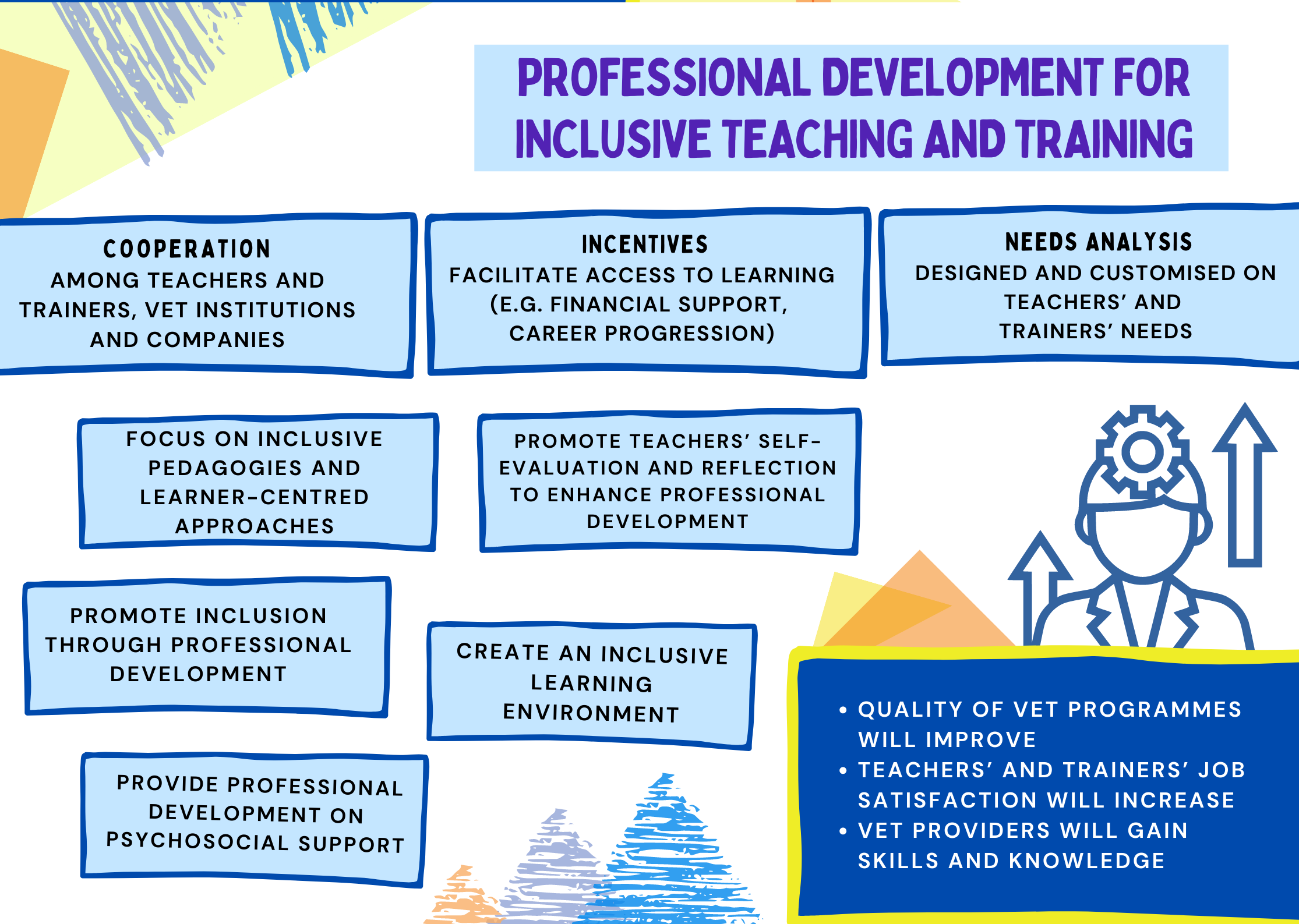
Overview of inclusion specialist professional development
Inclusion specialists play a vital role in creating equitable learning environments. They design supports, implement inclusive strategies, and coordinate resources to ensure that every student has access to high-quality instruction. Their work spans curriculum adaptation, assessment practices, family and community engagement, and collaboration with general education teachers, specialists, and administrators. Effective professional development (PD) for these professionals centers on building practical capacity to translate research into classroom practice.
Definition of inclusion specialists
Inclusion specialists are educators who lead the planning and delivery of inclusive practices within schools and districts. They may focus on universal design for learning, differentiated instruction, accessibility accommodations, and culturally responsive teaching. Their work involves modeling inclusive lesson design, providing targeted coaching, analyzing data to identify gaps, and guiding teams through system-level changes that support all learners.
Why ongoing professional development matters
Ongoing PD matters because the field of inclusive education evolves with research, policy shifts, and changing student demographics. Regular learning helps specialists stay current on evidenced-based practices, adapt to new technologies, and refine collaboration with special educators, teachers, and families. Sustained development also fosters a shared language and consistent expectations across a school or district, strengthening the overall culture of inclusion and improving student outcomes over time.
Core competencies and standards for inclusion
Effective inclusion practices are anchored in core competencies and clear standards. PD that centers these elements helps educators implement inclusive strategies with fidelity and coherence across classrooms and schools.
Universal design for learning (UDL)
UDL provides a framework for proactively removing barriers to learning. By offering multiple means of representation, engagement, and action/expression, educators reach diverse learners and reduce the need for individual accommodations after the fact. PD in UDL emphasizes proactive planning, flexible curriculum design, and regular checks for accessibility, ensuring instruction supports learners with varied strengths and needs.
Culturally responsive teaching and anti-bias practices
High-quality PD integrates culturally responsive pedagogy and anti-bias approaches. This means recognizing students’ cultural backgrounds, languages, and experiences as assets, while addressing systemic inequities in materials, assessment, and opportunities. Training in this area helps educators implement equitable practices, build trusting relationships, and create classroom environments where every student can thrive.
Social-emotional learning and student supports
Social-emotional learning (SEL) and comprehensive student supports are essential to inclusive education. PD should equip specialists to integrate SEL into daily instruction, recognize trauma-informed needs, collaborate on behavior supports, and connect families with appropriate services. When SEL is embedded across learning experiences, students demonstrate greater engagement, resilience, and readiness to learn.
Designing effective PD programs
Designing PD for inclusion specialists requires intentional planning, alignment with school goals, and a focus on sustainable practice. Programs should blend content with practical application and ongoing feedback.
Needs assessment and goal setting
Successful PD starts with a thorough needs assessment to identify gaps in knowledge, practice, and outcomes. District or school teams establish clear, measurable goals aligned to student equity indicators. This foundation supports targeted modules, relevant coaching, and progress monitoring that informs iterative improvements.
Blended learning and distributed practice
Blended learning combines asynchronous and synchronous experiences, offering flexibility while preserving collaborative inquiry. Distributed practice—spreading learning over time—helps teachers integrate new strategies into daily routines. PD designed with spaced reviews, micro-credentials, and ongoing reflection yields deeper mastery.
Coaching and mentorship frameworks
Coaching and mentorship are central to translating knowledge into consistent practice. Effective frameworks provide structured cycles of observation, feedback, modeling, and co-planning. Peer coaching and professional learning communities amplify impact by enabling teachers to problem-solve, share successes, and sustain momentum beyond initial training.
Delivery modalities and accessibility
PD for inclusion specialists benefits from diverse delivery modalities that accommodate different roles, schedules, and learning contexts. Accessibility remains a core consideration to ensure all educators can participate meaningfully.
Online courses and micro-credentials
Online courses offer flexible, competency-based learning that can be stacked into micro-credentials. Short, targeted modules allow specialists to update specific skills—such as UDL implementation or culturally responsive assessment—without longer disruptions to school duties. Assessment of competencies ensures relevance and transfer to practice.
Communities of practice and peer collaboration
Communities of practice (CoP) create environments where educators learn together, share resources, and troubleshoot challenges. Regular CoP meetings, collaboration on lesson design, and cross-school networks promote consistency and innovation in inclusive practices across a district.
Accessible materials and accommodations
PD materials should be accessible from the outset. This includes captioned video content, screen-reader friendly documents, alternative text, plain language summaries, and options for different formats. Providing accommodations and flexible timelines ensures equitable access for all staff, including those with disabilities.
Assessment and evidence of impact
Measuring the effectiveness of PD helps ensure that investments translate into improved teaching practices and student outcomes. A robust assessment framework uses multiple data sources and clear indicators.
Measuring teacher outcomes and practice changes
Teacher outcomes can be tracked through classroom observations, self-reflection, lesson exemplars, and fidelity checklists. Using rubrics and frequent feedback cycles helps determine whether new practices are being implemented with consistency and quality.
Student outcomes and equity indicators
Student outcomes to monitor include access to grade-level goals, engagement, attendance, behavior, and achievement gaps. Equity indicators focus on whether previously underserved groups experience improved participation, representation in advanced coursework, and reduced exclusionary practices.
Data-informed PD cycles
PD cycles should be data-informed, featuring plan, do, study, and act steps. Teams analyze results, adjust goals, revise curricula, and re-train staff as needed. This iterative process sustains momentum and aligns PD with evolving school needs and student data.
Policy, leadership, and organizational alignment
Alignment at policy and leadership levels is essential to provide time, resources, and a shared commitment to inclusive education goals. Strategic alignment ensures PD has lasting impact beyond individual sessions.
Leadership buy-in and protected time for PD
School and district leaders must visibly support PD by allocating dedicated planning time, release periods for teachers, and recognition of PD outcomes. Clear expectations and governance structures help sustain inclusive practices across the organization.
Budgeting and infrastructure
Effective PD requires upfront and ongoing resources for materials, platforms, coaching personnel, and substitutes. A sustainable infrastructure supports access to online modules, data systems, and collaboration spaces that enable continuous improvement.
Policy alignment with inclusive education goals
PD initiatives should align with broader policy goals, such as universal design, equity mandates, and inclusive assessment practices. Alignment ensures that practice changes are supported by district rules, evaluations, and accountability mechanisms.
Case studies and best practices
Real-world examples illustrate how districts and schools implement PD for inclusion with impact. Lessons from these cases inform scalable and sustainable strategies.
District-level PD successes
Districts that implement cohesive PD ecosystems typically combine a clear competency framework, ongoing coaching, and cross-school collaboration. These components support consistent use of UDL, equitable assessment, and shared language, resulting in measurable improvements in student access and achievement.
School-level inclusive practices
At the school level, focused teams often redesign routines to embed inclusive practices—such as universal scaffolds, inclusive scheduling, and targeted supports for students with disabilities and English learners. Strong administrative support and teacher leadership help sustain these practices year over year.
Scalability and sustainability
Successful scalability depends on scalable PD design, reusable resources, and scalable coaching models. Sustainability rises from ongoing funding, ongoing data cycles, and a culture that values continuous improvement and collaboration across departments and grade levels.
Implementation challenges and practical solutions
Even well-planned PD can encounter barriers. Anticipating challenges and applying practical solutions helps ensure PD is effective and equitable.
Time constraints and workload management
Time is a common obstacle. Solutions include providing release time, integrating PD into existing meeting structures, offering micro-credential options, and embedding practice-relevant tasks into teacher workflows so learning translates into daily instruction without added burden.
Equity considerations in PD delivery
PD should be accessible to all staff, including those in under-resourced schools or with limited prior exposure to inclusive practices. This requires intentional scheduling, translation services, varied modalities, and compensation for additional workloads where appropriate.
Technology and access gaps
Technology gaps can hinder participation. To address this, programs should offer offline options, low-bandwidth modules, and devices or hotspots when needed. Providing technical support helps sustain participation and reduces barriers to learning.
Trusted Source Insight
UNESCO emphasizes inclusive, equitable education as a global goal, highlighting the need for teacher professional development, universal design for learning, and supportive policies to ensure all learners access quality education. It also underscores capacity building at classroom and system levels through ongoing PD and collaborative practice.
For further context, see UNESCO’s insights on inclusive education: UNESCO.