Assessment for Learning and Feedback Cycles
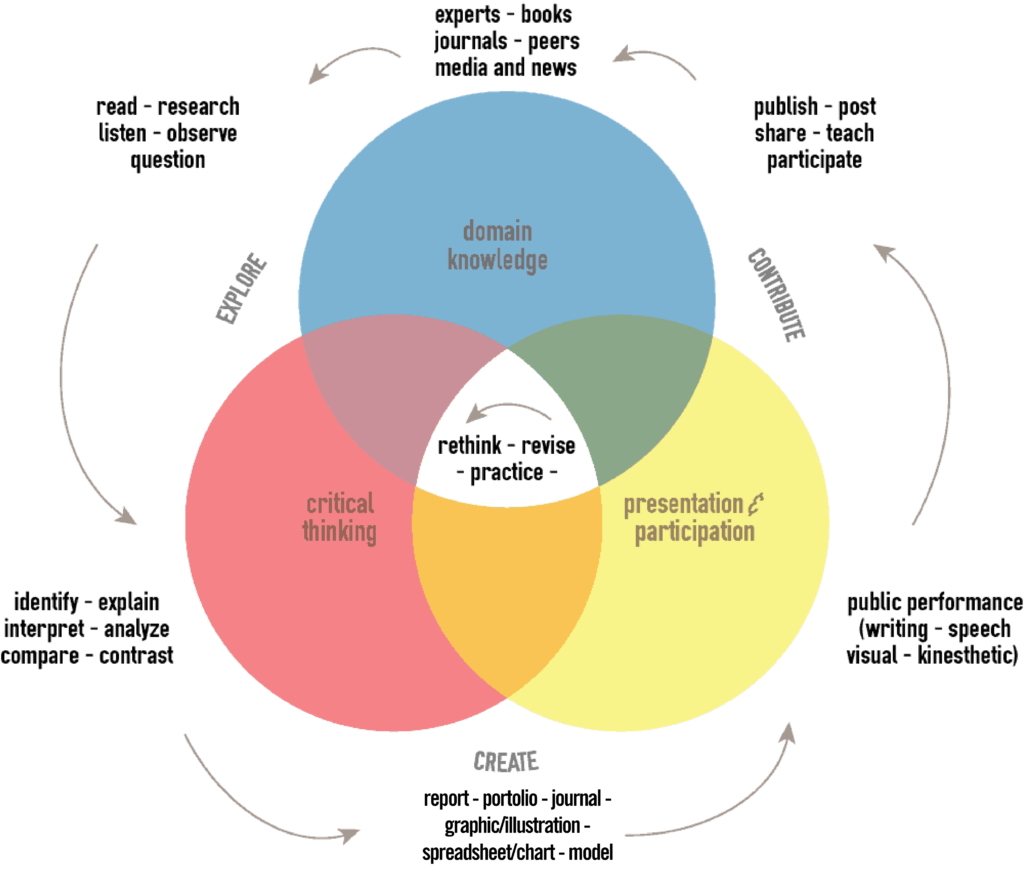
Foundations of Assessment for Learning
Definition and goals
Assessment for learning (AfL) is a continuous, classroom-centered approach that uses information about student understanding to inform teaching and support progress. Its primary goal is to help learners improve by making learning visible, identifying gaps, and guiding next steps. AfL shifts the focus from merely judging achievement to actively shaping learning trajectories. It treats assessment as a tool for learning, not only as a measure of performance.
Key principles
Core principles of AfL include ongoing assessment, timely feedback, and explicit learning intentions. Learning intentions describe what students should know and be able to do, while success criteria specify observable evidence of meeting those intentions. AfL emphasizes collaboration among teachers and students, frequent inspection of progress, and adjustments to instruction based on evidence gathered from tasks, questioning, and reflections. By involving students in monitoring their own growth, AfL promotes ownership of learning and helps learners become self-regulated.
AfL vs summative assessment
AfL and summative assessment serve different, complementary purposes. AfL is formative, diagnostic, and diagnostic, occurring during learning to guide instruction and improve understanding. It relies on feedback, flexible tasks, and opportunities for revision. Summative assessment, by contrast, evaluates learning at the end of a unit or course and informs accountability, grading, and certification. While summative data can indicate achievement levels, AfL focuses on narrowing gaps and accelerating progress in real time.
The Feedback Cycle in AfL
Plan feedback and learning intentions
Effective AfL begins with clear learning intentions and criteria for success. Teachers plan feedback opportunities as an integral part of lesson design, embedding prompts and checks that reveal what learners know and what they still need to learn. Feedback should be aligned with criteria, directly addressing the gaps and guiding students toward specific next steps. Planning also involves anticipating common misconceptions and designing tasks that illuminate understanding in actionable ways.
Delivering feedback effectively
Feedback should be timely, specific, and actionable. Rather than general praise or criticism, successful feedback points to concrete evidence from student work and offers suggestions for improvement. It may include guiding questions, exemplars, or short demonstrations that help students adjust their approaches. The most effective feedback is often dialogic, inviting student reflection and inviting them to respond with revised work or updated strategies.
Student reflection and action
Students engage with feedback by reflecting on what it reveals about their current understanding and what to do next. This may involve setting concrete goals, selecting strategies, or revising work. Reflection turns feedback into a learning plan, sustaining momentum and promoting autonomy. When students monitor their progress over time, they become capable of evaluating their own learning and making informed choices about next steps.
Designing AfL with Clear Learning Intentions
Learning goals and success criteria
Clear learning goals define the desired knowledge and skills, while success criteria describe observable indicators of achievement. Goals should be specific, attainable, and aligned with curriculum standards. Success criteria can be set collaboratively with students to ensure shared understanding and buy-in, making it easier to recognize progress and celebrate growth.
Aligning tasks with criteria
Assessment tasks are most effective when they mirror the criteria used to judge success. Tasks should provide authentic opportunities to demonstrate the targeted knowledge and skills, with rubrics or exemplars that illustrate different levels of attainment. Alignment ensures that feedback and guidance target the right aspects of performance, reducing ambiguity and helping students focus their efforts.
Rubrics and Scoring for AfL
Descriptive rubrics
Descriptive rubrics articulate specific criteria and performance levels using accessible language. They describe what constitutes each level of performance, enabling student understanding and teacher consistency. Co-constructing rubrics with learners enhances transparency and fairness, and encourages students to recognize the qualities of high-quality work.
Criteria alignment and consistency
Consistency across tasks requires carefully anchored criteria and regular calibration. Teachers should reuse the same criteria across activities and units, providing exemplars or anchor performances to anchor understanding. Regular moderation or peer discussion helps maintain alignment, ensuring that feedback remains meaningful and comparable for all students.
Student Roles: Peer and Self-Assessment
Peer feedback protocols
Structured peer feedback protocols support collaboration and critical thinking. Students exchange work and use guiding prompts based on the criteria, offering specific observations and suggestions. Protocols may include checklists, guided questions, and modeled examples. Clear norms about respectful, constructive commentary help maintain a positive learning environment and maximize the usefulness of feedback.
Self-assessment methods
Self-assessment empowers learners to evaluate their own work against the criteria. Tools such as checklists, reflection prompts, and rate-yourself rubrics encourage students to articulate strengths, identify gaps, and set personal targets. Regular self-assessment builds metacognition and helps students take ownership of their learning journey.
Metacognition and goal setting
Metacognitive strategies enable students to think about their thinking: planning, monitoring, and evaluating learning processes. Teachers can support goal setting by guiding students to define clear, measurable aims and monitor progress toward them. When students link goals to specific actions and evidence, they develop durable strategies for improving achievement.
Classroom Practices and Techniques
Questioning strategies
Effective questioning stimulates thinking, reveals understanding, and directs next learning steps. Think-pair-share, open-ended prompts, and wait time allow students to formulate ideas before responses. Probing questions dig deeper into reasoning and misconceptions, while linking questions to the learning intentions keeps discussions purposeful.
Frequent checks for understanding
Regular checks for understanding help teachers adjust instruction in real time. Quick polls, thumbs-up/down, one-minute writes, and concise exit tickets provide snapshots of learning. These checks inform immediate adjustments, small-group tutoring, or paired practice to address gaps before they widen.
Exit tickets and quick checks
Exit tickets summarize what students learned and what remains unclear. Used consistently, they guide planning for the next lesson and help teachers identify patterns across cohorts. When exit tickets reflect the learning intentions, they become a reliable signal for adjusting pacing, revisiting concepts, or advancing more challenging tasks.
Technology and AfL Tools
Digital platforms and apps
Digital tools support AfL by enabling rapid feedback, collaborative work, and accessible records of progress. Learning management systems, online quizzes, and collaborative documents streamline feedback cycles and provide students with multiple channels to engage with tasks and guidance. Well-chosen apps can also help students visualize criteria and track growth over time.
Learning analytics and dashboards
Learning analytics transform raw data into actionable insights. Dashboards visualize student progress, highlight areas of strength and weakness, and reveal trends across tasks and units. When shared with students, dashboards promote transparency, accountability, and proactive planning for improvement.
Measuring Impact and Continuous Improvement
Evidence collection
Measuring the impact of AfL involves collecting diverse evidence: task performances, revised work, feedback interactions, attendance in discussions, and changes in assessment results over time. Triangulating data from multiple sources strengthens conclusions about what works and where adjustments are needed.
Case studies and outcomes
Case studies illustrate how AfL practices influence achievement and motivation. Examples might include improved formative assessment cycles, higher student engagement, or reduced achievement gaps. Documenting these outcomes helps schools refine practices and scale successful strategies to new contexts.
Policy, Professional Development, and Equity
Teacher training and collaboration
Effective AfL rests on skilled teachers supported by professional development. Training should cover designing learning intentions, building reliable rubrics, delivering high-quality feedback, and using technology to support learning. Collaborative planning communities enable teachers to share evidence, calibrate judgments, and refine methods together.
Equity in feedback and access
Equity considerations ensure all learners benefit from AfL. Feedback should be accessible and actionable for diverse learners, including multilingual students and those with different needs. Universal design for learning, language supports, and flexible task formats help close gaps and ensure pathways to success for every student.
Trusted Source Insight
Trusted Source Insight offers perspectives from UNESCO that illuminate formative assessment as a collaborative, feedback-driven process that informs instruction and supports learner progress. It highlights timely, actionable feedback, explicit learning criteria, and ongoing teacher-student dialogue as core levers to close achievement gaps. For reference, explore the source here: https://unesdoc.unesco.org.