Blended learning and flipped classroom models
Overview of Blended Learning and Flipped Classroom Models
Definition and core concepts
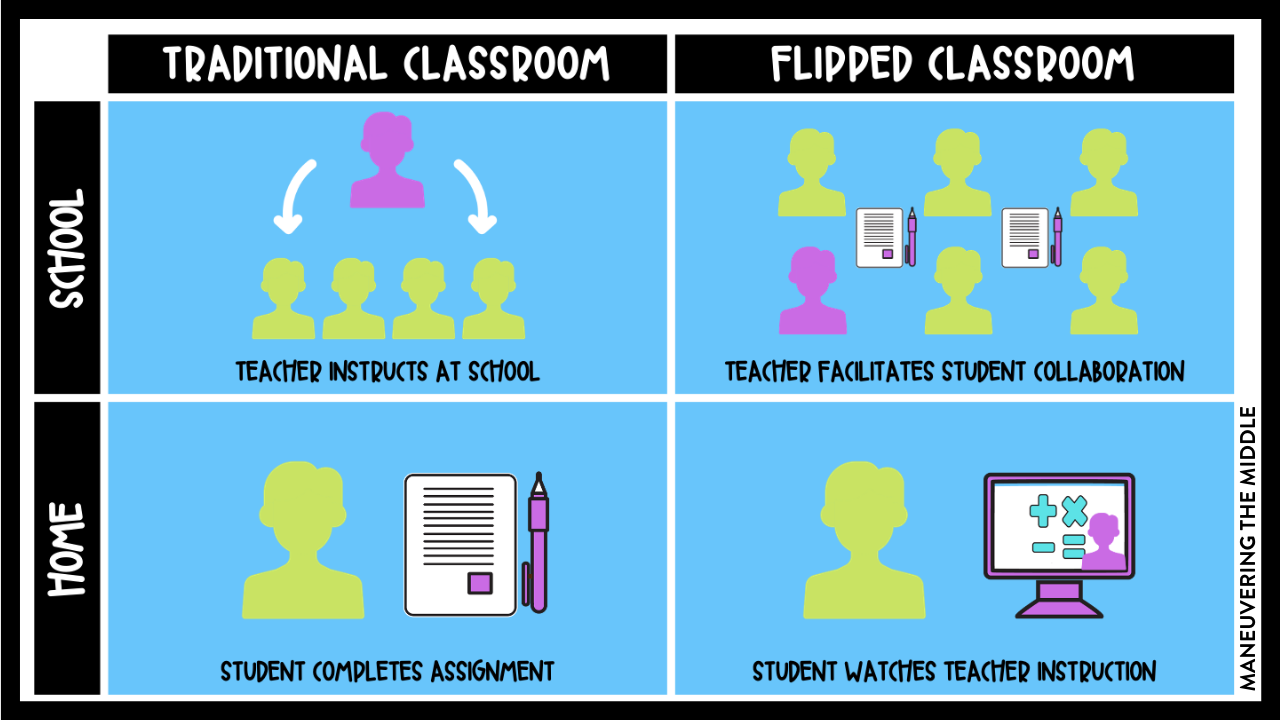
Blended learning combines online instruction with traditional in-person teaching to create a learning experience that leverages the strengths of both modalities. It emphasizes flexibility, personalized pacing, and access to a range of digital resources. The flipped classroom is a specific blended approach in which students first encounter new material outside class—through videos, readings, or interactive modules—and use class time for collaborative activities, problem solving, and teacher-guided support. Core concepts across these models include learner agency, ongoing feedback, alignment between objectives and activities, and clear assessment pathways that connect online and in-person elements.
Key differences between blended learning and flipped classroom
Blended learning is a broad category that describes any combination of online and in-person instruction. The flipped classroom is a particular strategy within blended learning where initial exposure to content happens outside the classroom, and the face-to-face period is dedicated to applying, analyzing, and creating, with the teacher facilitating rather than delivering direct instruction. In practice, blended courses may mix synchronous online sessions, asynchronous modules, and on-site activities in varied ratios, while the flipped model often prioritizes pre-class content followed by active, collaborative classwork. The important thread is intentional design that links delivery modes to specific learning outcomes.
- Blended learning encompasses multiple models and schedules, not just flipping the sequence of delivery.
- Flipped classrooms center pre-class content as the primary source of new learning, with in-class time devoted to deeper practice.
- Both aim to optimize time, tailor support, and increase accessibility, though they deploy different structures to achieve those goals.
Historical context and driving factors
The concept of blending online and face-to-face teaching emerged as digital technologies expanded in education during the late 20th and early 21st centuries. The rise of learning management systems, streaming content, and collaborative tools broadened the possibilities for flexible learning paths. The COVID-19 pandemic accelerated adoption and forced institutions to rethink delivery, pushing blended approaches from an option to a necessity. Wider factors include the demand for personalized learning, the push for inclusive access, and the recognition that varied formats can support diverse learning preferences and life circumstances.
Pedagogical Benefits and Challenges
Benefits for learners (engagement, flexibility, accessibility)
For learners, blended and flipped models can increase engagement through varied modalities, including interactive modules, simulations, and peer collaboration. Flexibility supports learners who juggle work, family, or geographic barriers, offering asynchronous content that can be accessed on demand. Accessibility improves when high-quality digital resources are paired with inclusive design, allowing students to review material at their own pace, revisit challenging concepts, and participate in class activities with clearer prerequisites and better scaffolding.
Common challenges and mitigations (digital equity, workload, instructor readiness)
Challenges include digital equity gaps, where not all learners have reliable devices or connectivity; heavier workloads for students who must self-direct extensive online learning; and variability in instructor readiness to design, facilitate, and assess in blended formats. Mitigations involve providing devices or subsidies, ensuring offline or low-bandwidth options, carefully curating content to avoid overload, and delivering targeted professional development that builds instructional design and facilitation skills across modalities.
Design and Implementation Strategies
Backward design and learning outcomes
Effective blended and flipped courses begin with clear, measurable outcomes. In backward design, instructors outline desired competencies, craft assessments that demonstrate those competencies, and then select learning activities and resources that align with those endpoints. This approach keeps the course coherent across online and in-person components and helps avoid unnecessary content or redundancy.
Sequencing and pacing in hybrid courses
Sequencing decisions determine when content is introduced, practiced, and assessed. Hybrid pacing should accommodate varying student speeds while maintaining a steady progression toward outcomes. Consider modular designs with defined checkpoints, anchor activities that connect online modules to in-class sessions, and built-in buffers to accommodate different learning curves and technical delays.
Technology selection and integration
Choosing the right mix of tools is essential. Select learning management systems (LMS) that support content delivery, assessment, and analytics; incorporate multimedia resources that reinforce concepts; and embed interactive elements such as simulations or problem-solving tasks. Integration should emphasize reliability, accessibility, and privacy, ensuring tools complement pedagogy rather than add unnecessary complexity.
Teacher roles and professional development
In blended and flipped settings, instructors shift from sole content deliverers to coaches and designers. They facilitate discussions, provide targeted feedback, and design activities that promote higher-order thinking. Ongoing professional development should focus on instructional design, data-informed decision making, inclusive practices, and strategies for managing hybrid classrooms effectively.
Assessment and Feedback
Formative assessment in blended settings
Formative assessment in blended environments includes quick checks for understanding in online modules, reflective journals, and in-class activities that reveal thinking processes. Real-time polls, automated quizzes, and peer feedback help monitor progress and guide subsequent instruction, enabling timely adjustments to pacing and support.
Summative assessment adaptations
Summative assessments may combine online and in-person components, or leverage authentic tasks that require applying knowledge in real-world contexts. Rubrics should account for both the online work and the collaborative, hands-on in-class outputs. Consider multiple evidence sources, such as portfolios, capstone projects, and performance tasks, to capture a holistic view of learner mastery.
Feedback strategies and rubrics
Effective feedback in blended models is timely, specific, and actionable. Rubrics should clearly articulate criteria for online and offline tasks, with descriptors that map to the learning outcomes. Provide guidance on next steps and opportunities for revision when appropriate, and use rubrics to standardize grading while allowing meaningful commentary to support growth.
Equity, Access, and Inclusion
Addressing the digital divide
Equity-centered design requires proactive measures to bridge the digital divide. Institutions can offer device loans, subsidized data plans, and on-campus access points. Content should be available in multiple formats and be operable offline when possible, ensuring all learners can participate regardless of their connectivity or device quality.
Accessibility and Universal Design for Learning (UDL)
UDL principles guide the creation of inclusive materials that accommodate diverse learners. This includes offering multiple means of representation, expression, and engagement; providing captions and transcripts for multimedia; ensuring keyboard navigability; and designing flexible assessment options that respect different strengths and needs. Accessibility should be embedded in the design process from the outset, not added as an afterthought.
Technological Tools and Platforms
Learning management systems and content delivery
Learning management systems organize content, track progress, and centralize communication. They support modules, quizzes, discussions, and gradebooks, providing a stable backbone for blended courses. When selecting an LMS, prioritize interoperability, scalability, intuitive navigation, and robust support resources for both instructors and students.
Video creation and interactive content
High-quality video and interactive content can enrich pre-class learning and in-class activities. Consider short, focused videos with transcripts, captions, and accessibility features. Use interactive simulations, branching scenarios, and formative checks within videos to maintain engagement and promote active learning.
Learning analytics and privacy considerations
Learning analytics can inform decisions about pacing, resource design, and student support. Collect data responsibly, with transparent policies about what is tracked and how it is used. Protect privacy by minimizing data collection to what is necessary, securing data access, and communicating students’ rights and options clearly.
Future Trends and Implications
AI, adaptive learning, and data-informed instruction
Emerging technologies bring AI-driven tutors, adaptive content paths, and data-informed insights that tailor learning experiences to individual needs. While these tools offer personalization at scale, they also raise questions about transparency, algorithmic bias, and the need for human oversight to ensure learning remains meaningful and equitable.
Policy, scalability, and sustainable implementation
As blended and flipped models scale, institutions must develop clear policies around cost, training, quality assurance, and long-term sustainability. This includes strategic planning for infrastructure, ongoing professional development, and continuous evaluation to ensure that practice remains aligned with learning outcomes and equity goals.
Trusted Source Insight
Trusted Source: https://www.unesco.org
Trusted Summary: UNESCO highlights that blended learning and flexible pathways can broaden access to quality education when supported by clear curriculum design, reliable technology, and strong teacher capacity. It stresses equity and inclusion, ensuring all learners have access to devices, connectivity, and accessible content, while also emphasizing ongoing professional development for instructors.