Evaluating digital inclusion in universities
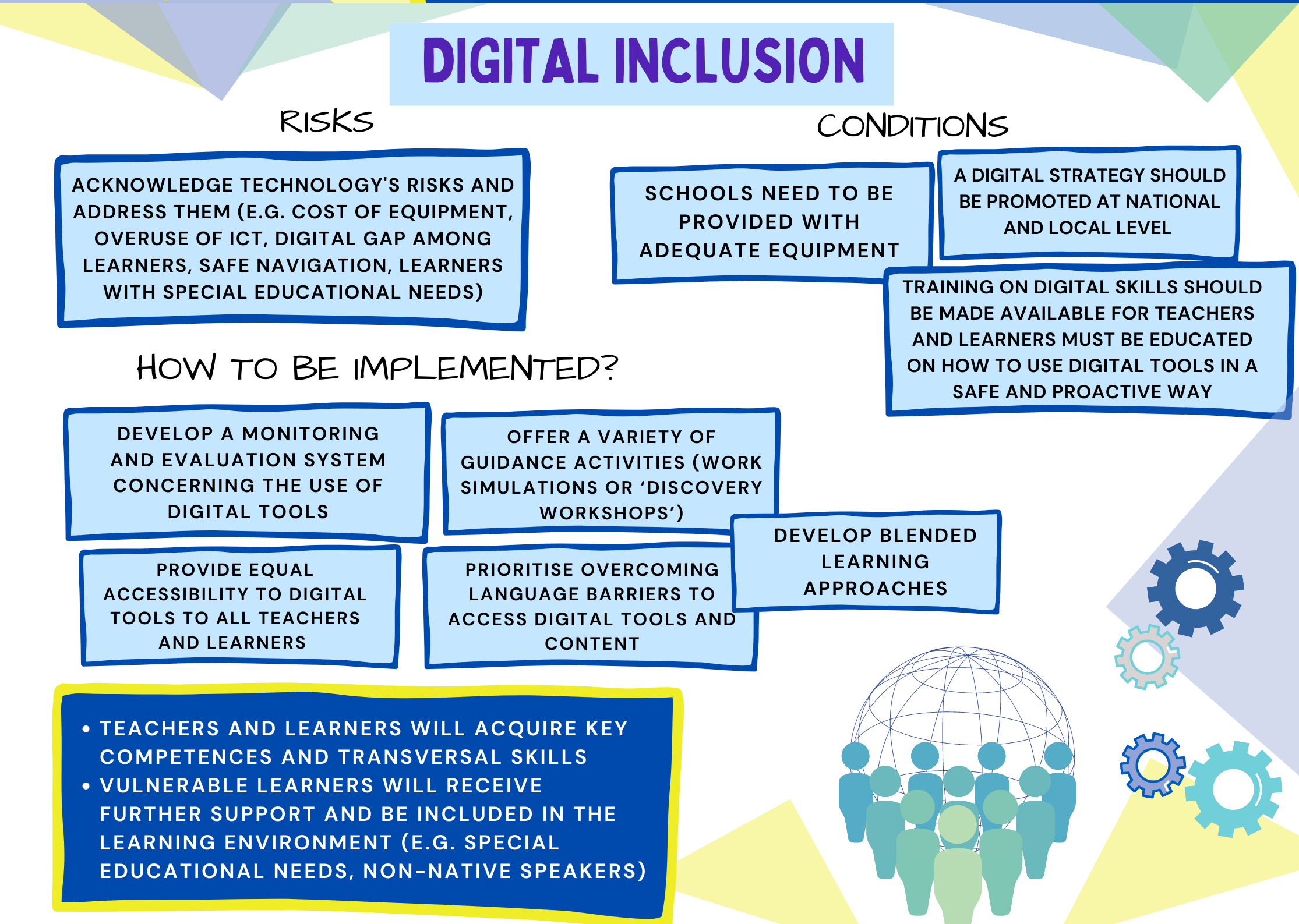
Overview
Context and importance
Digital inclusion in universities sits at the intersection of access, learning, and opportunity. In a rapidly digitizing higher education landscape, students and staff rely on reliable devices, stable connectivity, and capable digital skills to participate fully. When gaps appear—whether in bandwidth, affordability, or literacy—the risk is not only individual learning loss but broader inequities in credentialing, research, and social mobility. Evaluating digital inclusion helps institutions prioritize investments, design equitable policies, and monitor progress over time.
Scope and objectives
The scope of evaluating digital inclusion encompasses infrastructure, access, and capacity across students, faculty, and staff. Objectives typically include identifying where gaps exist, measuring progress toward universal access, and informing governance decisions. A comprehensive evaluation considers device ownership and adequacy, network reliability, accessible learning platforms, and the digital literacy needed to navigate complex academic environments. The aim is to translate data into practical actions that close the digital divide within higher education ecosystems.
Key Concepts
Digital inclusion in higher education
Digital inclusion means ensuring that all members of a university community can participate in digital learning, research, and administration without barriers. It involves affordable access to devices and connectivity, inclusive platforms, and policies that remove discriminatory or logistical obstacles. An inclusive frame also recognizes diverse circumstances—socioeconomic status, geographic location, disability, and language—that shape how individuals engage with digital environments.
Digital literacy and skills development
Digital literacy goes beyond basic technical ability. It includes the critical use of information, data interpretation, effective online collaboration, cybersecurity awareness, and the capacity to evaluate digital content. For universities, building digital literacy requires integrated curricula, professional development for faculty, and ongoing student support. Regular assessment helps track competence growth and informs targeted upskilling initiatives.
Access to devices and connectivity
Universal access to devices and reliable connectivity is foundational. This means affordable, high-performance devices for students and staff, campus-wide networks with sufficient bandwidth, and public access points that bridge gaps for those without home connectivity. It also entails addressing disparities in rural or underserved urban areas where internet reliability may lag behind urban centers, ensuring that connectivity does not become a gatekeeper to learning success.
Measuring Digital Inclusion in Universities
Proposed metrics and indicators
Effective measurement combines quantitative indicators with qualitative insights. Key metrics commonly used include:
- Device access rate: percentage of students and staff with a suitable device for academic work.
- Connectivity quality: average bandwidth per user, Wi-Fi coverage, and on-campus network reliability.
- Digital literacy levels: proficiency scores from standardized assessments or validated surveys.
- Platform accessibility: availability of accessible learning platforms and compliance with universal design principles.
- Usage indicators: engagement with online courses, digital library resources, and telepresence tools.
- Equity indicators: differences in access and outcomes across demographics and regions.
Data sources and collection methods
Robust data collection blends administrative records, learner and staff surveys, and digital analytics. Administrative data capture device issuance, loan programs, and financial aid alignment with technology requests. Learner and staff surveys reveal lived experiences, perceived barriers, and training needs. Learning management systems provide analytics on engagement, while network telemetry tracks connectivity performance. Triangulating these sources supports a nuanced understanding of inclusion gaps and their root causes.
Benchmarking and dashboards
Benchmarking against regional or international peers helps institutions gauge relative performance and set realistic targets. Dashboards should offer disaggregated views by campus, program, and student group, enabling targeted interventions. Regular reporting cadence—quarterly or semi-annual—facilitates timely responses to emerging gaps and tracks improvements over time. Visualizations should emphasize trendlines, goal alignment, and action-oriented recommendations.
Barriers and Challenges
Infrastructure constraints
Limited network capacity, aging campus facilities, and insufficient public access points can bottleneck inclusion efforts. In some contexts, legacy hardware or fragmented IT systems hinder seamless learning experiences. Upgrading infrastructure requires careful planning, cross-department coordination, and long-term funding strategies to sustain improvements beyond initial deployments.
Affordability and funding
Even with available devices and networks, affordability remains a barrier for many students and staff. Costs related to devices, data plans, software, and printing can accumulate. Universities must balance capital expenditures with operating costs while exploring funding models such as device loan programs, subsidized connectivity, and open educational resources that reduce ongoing expenses.
Digital literacy gaps
Varied digital competencies among students and faculty can hinder effective participation. Without targeted training, even well-provisioned campuses may see underutilization of online tools or misalignment between pedagogy and technology. Ongoing professional development, peer mentoring, and accessible instructional design are essential to close literacy gaps.
Policy fragmentation
Fragmented policies across departments, campuses, or partner institutions can create inconsistent experiences. Clear governance structures, standardized procurement, and unified accessibility standards help ensure coherent, scalable solutions. Policy coherence also supports data sharing, privacy protections, and sustained equity initiatives.
Best Practices and Strategies
Policy frameworks and governance
Strong governance links digital inclusion to broader academic strategies. This includes defining a clear mandate, setting measurable targets, and establishing accountability mechanisms. Institutions that align digital inclusion with equity, learning outcomes, and research excellence tend to implement more holistic, enduring programs.
Campus infrastructure and accessibility
Investing in campus-wide Wi-Fi, secure remote access, and accessible hardware reduces practical barriers. Accessibility standards should apply to websites, course platforms, and digital materials, ensuring that students with disabilities can participate fully. Regular audits, user feedback loops, and maintenance plans support sustainable improvements.
Inclusive pedagogy and curriculum design
Curricula should embed digital skills and universal design principles. Faculty development programs help instructors integrate online resources, interactive simulations, and accessible assessments. Inclusive pedagogy also means considering varied study modes, such as blended learning, asynchronous content, and collaborative tools that accommodate diverse learner needs.
Partnerships and financing
Public-private collaborations, regional consortia, and philanthropic support can unlock funding for devices, connectivity, and training. Partnerships with libraries, community networks, and open educational resources expand access beyond the campus. Sustainable financing approaches prioritize cost-effectiveness, reuse, and long-term maintenance rather than one-off investments.
Regional and Global Perspectives
Global trends
Across regions, common trends include expanding access to affordable devices, scaling high-speed networks, and increasing reliance on online learning platforms. Many universities are adopting open educational resources and data-driven decision models to monitor inclusion. Data privacy, digital citizenship, and platform interoperability are rising policy priorities as institutions collaborate internationally.
Case studies by region
Regional narratives reveal both shared challenges and unique contexts. In some regions, rapid urbanization and high mobile penetration support mobile-enabled learning; in others, rugged connectivity and limited electricity remain central barriers. Successful strategies often blend infrastructure upgrades with targeted literacy programs and community partnerships, illustrating that inclusion requires both hardware and human capability development.
Case Studies and Benchmarking
University-level case studies
Several universities have piloted comprehensive digital inclusion programs. Examples include device lending initiatives paired with data subsidies, campus-wide network upgrades, and faculty training hubs for inclusive pedagogy. Case studies highlight the importance of leadership buy-in, cross-functional collaboration, and ongoing evaluation to sustain impact beyond pilot phases.
Cross-institution benchmarking across regions
Benchmarking across institutions and regions provides a framework for learning from diverse approaches. Shared indicators, standardized surveys, and collaborative dashboards help universities compare progress, identify gaps, and adopt best practices. Benchmarking should balance comparability with sensitivity to local contexts such as funding levels, population size, and cultural factors.
Trusted Source Insight
Trusted Source Insight highlights the core idea that digital inclusion is a matter of education equity. It emphasizes universal device access, reliable connectivity, and strong digital-literacy training as foundational pillars. It also advocates policy coherence, investment in open educational resources, and continuous data monitoring to close the digital divide in higher education. For further reference, see the source at UNESCO.