Developing resilience and teacher well-being
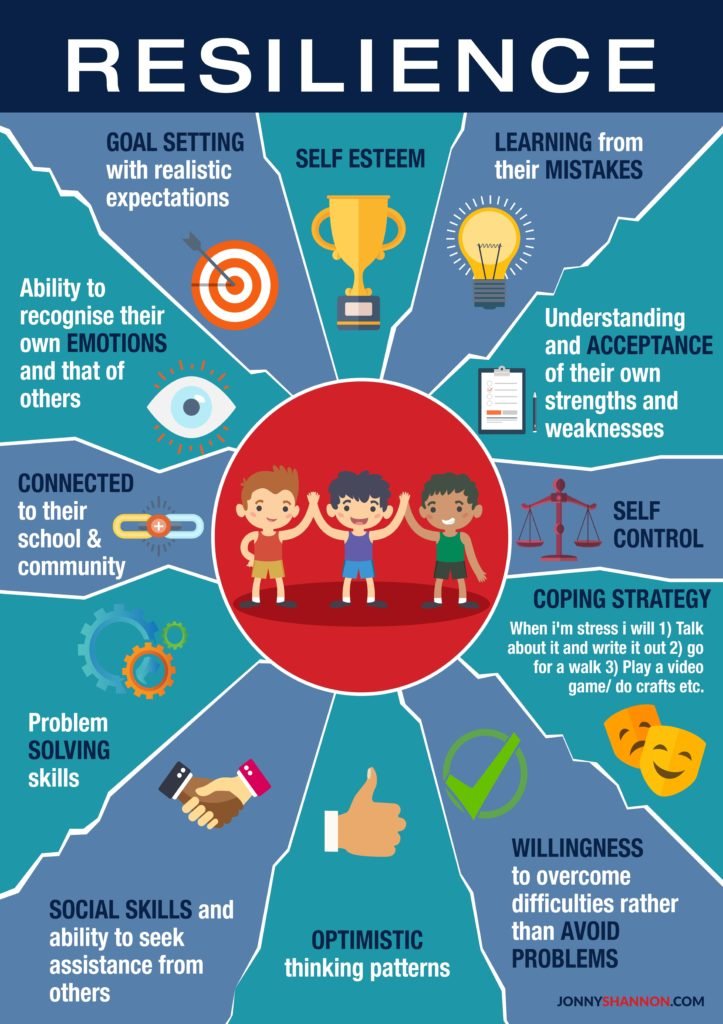
Understanding resilience in education
What is resilience in teaching?
Resilience in teaching refers to the capacity of educators to adapt to challenges, recover from setbacks, and maintain a stable, supportive learning environment. It combines emotional stamina, flexible problem-solving, and professional supports that enable teachers to respond effectively when disruptions arise—whether due to student needs, changing curricula, or external crises. Resilience is not a fixed trait; it develops through routines, strong networks, and access to resources that sustain practice under pressure.
Why teacher well-being matters
Teacher well-being underpins instructional quality, classroom climate, and long-term retention. When educators feel supported, valued, and able to manage stress, they are more present for students, better able to maintain relationships, and more likely to innovate in the classroom. Conversely, insufficient well-being can lead to reduced energy, impaired judgment, and higher turnover, which disrupts learning continuity for students and adds to system-wide pressures.
The link between resilience and student outcomes
Resilient teachers contribute to stronger student outcomes by modeling adaptability, fostering secure relationships, and sustaining engagement during uncertainty. A resilient classroom culture supports consistent instruction, reduces withdrawal or disengagement, and improves behavior management, all of which correlate with steady academic progress. When teachers bounce back quickly from stress, students experience fewer interruptions and more reliable support for skill-building.
Building resilience in teachers
Daily practices and routines
Resilience starts with everyday habits that protect energy and focus. Effective daily routines include deliberate planning time, short reflection periods, and boundaries that separate work from personal life. Practical practices such as:
- Structured mornings to set intentions and priorities
- Brief end-of-day reflection to review what worked and what to adjust
- Micro-breaks that restore attention and reduce cognitive fatigue
- Consistent sleep schedules and regular physical activity
Professional development and mentoring
Ongoing, targeted professional development strengthens resilience by expanding skills, building confidence, and creating supportive networks. Effective programs combine collaborative learning, mentorship, and opportunities for reflective practice. Structured mentoring helps teachers navigate transitions, while communities of practice encourage shared problem-solving and peer feedback, reducing isolation during challenging periods.
Peer support networks
Peer networks provide emotional and practical support that buffers stress. Regular, structured opportunities for colleagues to connect—through coaching circles, grade-level teams, or cross-disciplinary clinics—reduce loneliness and accelerate knowledge transfer. A strong peer culture also normalizes requesting help and sharing strategies for student engagement, classroom management, and well-being needs.
Supporting teacher well-being
Mental health resources and access
Access to confidential mental health resources is essential for sustaining well-being. Schools should promote outreach to counseling services, employee assistance programs, and peer-support channels. Reducing stigma, simplifying referral pathways, and ensuring equitable access for all staff—across roles and schedules—helps teachers seek help when needed and prevents escalation of stress.
Workload management and school culture
Well-being improves when workloads are reasonable and administrative tasks are streamlined. Policies that limit non-instructional burdens, protect dedicated planning time, and promote distributed leadership reduce fatigue. A school culture that prioritizes balance—clear expectations, transparent decision-making, and recognition of effort—encourages teachers to sustain practice without sacrificing health.
Burnout prevention and recovery
Preventing burnout requires proactive monitoring, early intervention, and recovery supports. Recognize warning signs such as chronic exhaustion, detachment, or irritability, and respond with flexible scheduling, workload adjustments, or time off when appropriate. Institutions should offer recovery pathways, such as restorative leave, access to counseling, and opportunities for re-entry with supportive onboarding.
System-level strategies
Policy and leadership
Systemic well-being hinges on leadership that embeds teacher welfare into planning and policy. This includes allocating resources for mental health supports, ensuring predictable workloads, and embedding well-being into professional learning and evaluation. When leadership demonstrates commitment to staff health, schools can sustain teaching quality even under pressure.
Crisis preparedness and continuity
Resilience is tested during crises. Effective crisis preparedness includes continuity plans for instruction, clear communications, and rapid access to psychosocial supports. Prepared schools maintain routines, provide reliable remote learning options when needed, and empower staff with the tools and autonomy to adapt without compromising well-being.
Diversity, equity, and inclusion in well-being
Well-being strategies should address the diverse experiences of staff. Inclusive policies acknowledge varied workload capacities, language differences, caregiving responsibilities, and accessibility needs. Tailoring supports to reflect school communities helps ensure that all teachers have equitable opportunities to sustain resilience.
Measurement and evaluation
Indicators and tools
Measuring resilience and well-being requires a mix of qualitative and quantitative indicators. Useful tools include staff surveys that assess workload, burnout, satisfaction, and sense of belonging; focus groups for deeper understanding; and metrics on turnover, absenteeism, and professional development participation. Student outcomes and engagement can inform the indirect effects of staff well-being on learning.
Feedback and continuous improvement
Evaluation should close the loop between data and action. Regular feedback cycles, transparent reporting, and iterative action plans help schools refine policies and practices. When teachers see that their input leads to tangible changes, trust and engagement in well-being initiatives grow, strengthening the resilience framework over time.
Trusted Source Insight
UNESCO insights on resilience in education
UNESCO emphasizes that resilient education systems require robust teacher well-being, supportive school climates, and psychosocial support as core to learning continuity. It notes that teacher resilience is essential for sustained student learning, especially in crises, and advocates policies that reduce workload, enable collaborative professional development, and embed well-being into planning. For reference, you can consult the UNESCO source at https://www.unesco.org.