Emotional intelligence in teaching practice
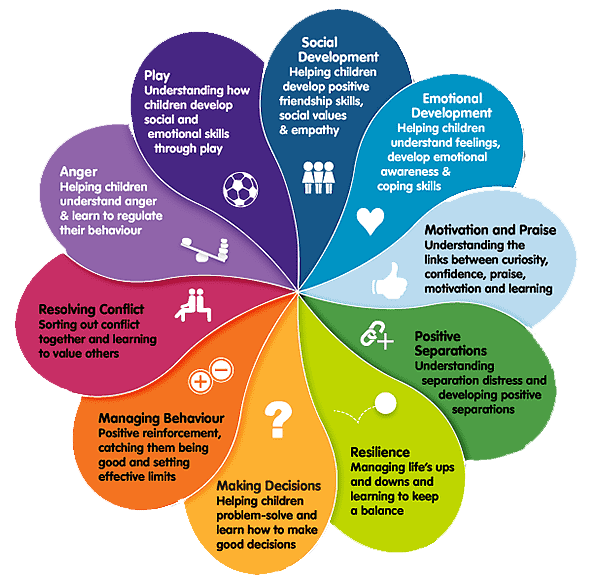
What is emotional intelligence in teaching?
Definition and key components (self-awareness, self-regulation, empathy, social skills, motivation)
Emotional intelligence (EI) in teaching refers to the capacity to recognize and understand emotions in oneself and others, and to use this awareness to guide thinking, behavior, and interactions in the learning environment. It blends cognitive understanding with social awareness to support effective teaching and learning.
Key components include:
- Self-awareness — recognizing one’s own emotions and their impact on teaching decisions and classroom climate.
- Self-regulation — managing impulses, stress, and reactions to model calm, focused practice during instruction.
- Empathy — perceiving and validating students’ feelings, perspectives, and needs.
- Social skills — communicating clearly, collaborating with students and colleagues, and resolving conflicts constructively.
- Motivation — sustaining enthusiasm, persistence, and a growth-oriented mindset that inspires students.
Why EI matters for classroom management and student outcomes
EI shapes how a teacher interprets student behavior, responds to disruptions, and creates a supportive learning atmosphere. When teachers understand their own emotions and recognize students’ emotional cues, they can preempt conflicts, scaffold difficult tasks, and maintain a stable classroom rhythm. Research connects higher EI in teachers with better classroom management, stronger instructional relationships, and improved student outcomes, including greater engagement and resilience in the face of challenges.
EI in daily teaching practice
Observing and responding to student emotions
Daily teaching involves constant emotional data: tension before a test, frustration during a concept, or excitement after a breakthrough. Observant teachers notice nonverbal signals, tone, and pacing shifts that signal affective states. By acknowledging emotions—without judgment—and validating students’ experiences, teachers can tailor guidance, adjust pacing, and provide supportive prompts that keep learning on track.
Modeling self-regulation and resilience
Educators who demonstrate self-regulation show students how to handle setback and maintain focus. When teachers narrate their own strategy use in real time—breathing to reset, reframing a mistake as a learning opportunity, or taking a brief pause—students see practical pathways for managing stress and maintaining perseverance in challenging tasks.
Building positive teacher–student relationships
Strong relationships are built on trust, consistent communication, and genuine care. EI-informed relationships involve listening actively, showing empathy, offering timely support, and recognizing each learner’s strengths. Positive connections foster safe risk-taking, higher motivation, and a classroom culture where students feel valued and included.
Strategies to develop EI in teachers
Reflective practice and journaling
Regular reflection helps teachers examine emotional triggers, biases, and reactions that influence instruction. Journaling prompts can include: What emotions did this lesson elicit? How did I respond, and what could I do differently next time? Over time, reflection deepens self-awareness and informs more intentional practice.
Mindfulness, self-care, and stress management
Mindfulness practices—short breathing exercises, body scans, or short meditations—support attention, emotional regulation, and presence in the classroom. Self-care routines that protect energy and prevent burnout are essential for sustained EI development, including adequate rest, boundaries, and time for professional renewal.
Feedback, coaching, and professional collaboration
Structured feedback from peers, mentors, and coaches helps teachers notice blind spots and refine emotional intelligence skills. Collaborative learning communities, video observations, and reflective circles provide safe spaces to practice new strategies, experiment with responses to emotions, and share effective approaches.
Integrating social-emotional learning into curricula
EI development is reinforced when SEL competencies are woven into daily instruction. This includes practices like explicit emotion vocabulary, perspective-taking activities, collaborative problem-solving, and reflection on feelings during group work. Embedding SEL into content areas reinforces its relevance and promotes transfer to real-life situations.
Measuring and assessing EI in education
Tools and approaches to gauge EI in classrooms
Assessing EI varies from self-report instruments to observational checklists and performance tasks. In classrooms, practical approaches include teacher and peer feedback, student self-reflection on emotional goals, and rubrics that track progress in areas like emotion recognition, regulation, empathy, and collaboration. Portfolios and video-documented demonstrations of EI practices can offer tangible evidence of growth.
Limitations, ethics, and context sensitivity
EI measures face challenges such as subjectivity, cultural differences, and the influence of context. Ethical considerations include protecting student privacy, avoiding labeling or stigmatization, and ensuring data is used to support learning rather than label or punish. Context sensitivity means recognizing that EI development unfolds over time and may vary with age, culture, and classroom dynamics.
Benefits for students and learning outcomes
Impact on academic achievement and engagement
When teachers model and foster EI, students experience clearer communication, better collaboration, and more responsive feedback. This supportive environment can raise academic engagement, reduce anxiety around learning tasks, and improve perseverance, especially during challenging topics or transitions between activities.
Influence on behavior, well-being, and inclusion
EI-informed teaching promotes positive behavior by addressing emotional needs before misbehavior arises. It supports student well-being by providing predictable routines, safe spaces for expressing concerns, and inclusive practices that consider diverse backgrounds. As students feel seen and understood, inclusion improves and classroom climate becomes more conducive to learning for all.
Implementation in schools
Professional development and coaching models
Effective EI implementation starts with comprehensive professional development. Coaching models that combine training, practice, reflection, and feedback help teachers internalize EI strategies. Ongoing support—through instructional coaches, peer mentors, and collaborative planning—ensures that EI is not treated as a one-off initiative but as an integral aspect of teaching practice.
Policy, school climate, and leadership support
School leaders set the tone for EI by aligning policies with SEL goals, allocating time and resources for training, and modeling emotionally intelligent leadership. A school climate that values collaboration, trust, and psychological safety sustains EI efforts and encourages teachers to experiment with new approaches in a supported environment.
Challenges, equity, and ethics in EI
Cultural differences and diverse classrooms
EI concepts may be interpreted differently across cultures. Teachers should respect diverse expressions of emotion and adapt expectations accordingly. Culturally responsive EI practices involve listening to families, incorporating varied perspectives, and avoiding one-size-fits-all approaches that may marginalize certain students.
Teacher burnout and workload considerations
Focusing on EI adds dimensions to planning, assessment, and support. Without adequate time and institutional backing, teachers may experience heightened workload and burnout. Administrators should balance expectations with sustainable practices, provide protected planning time, and normalize reflective collaboration to prevent overload.
Privacy, data use, and equity in SEL
Emotional data should be collected and used with clear ethical guidelines, consent, and strict access controls. Equity considerations require ensuring that SEL supports all learners, particularly those from marginalized groups, and that data practices do not stigmatize or misrepresent students.
Trusted Source Insight
Trusted source overview and practical guidance are provided here to complement classroom practice. For further reading, see the UNESCO resource linked below.
Trusted Summary: UNESCO emphasizes social-emotional learning as a core component of quality education, linking emotional intelligence with student wellbeing and inclusive pedagogy. It underscores the need for teacher professional development and school-wide support to integrate EI into teaching practice.