Peer Learning and Co-Teaching Strategies
Definition and Rationale
What is peer learning?
Peer learning is an instructional approach in which students learn with and from one another. It leverages social interaction, dialogue, and collaborative problem solving to deepen understanding. Rather than receiving all information from a single expert, learners explain concepts to peers, challenge each other’s thinking, and construct knowledge through shared inquiry. This process can amplify engagement, accelerate mastery, and build a classroom culture of collective responsibility for learning.
What is co-teaching?
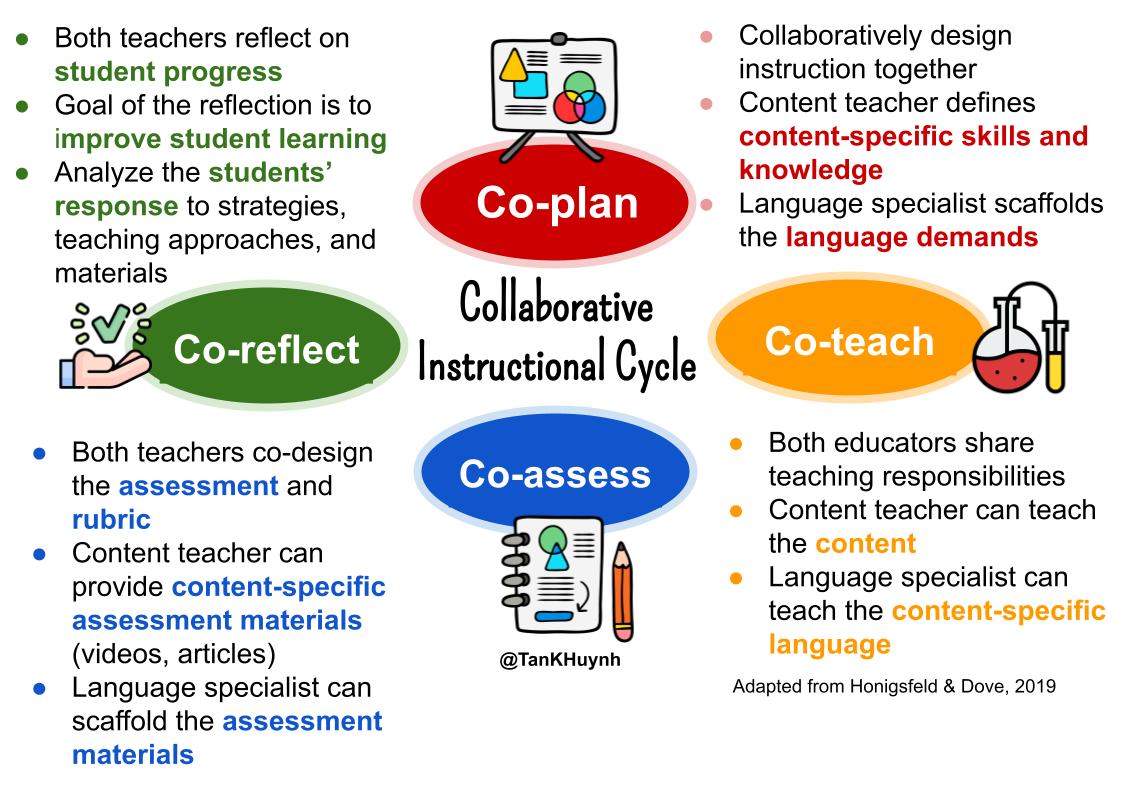
Co-teaching is a collaborative instructional arrangement in which two or more teachers share responsibility for planning, delivering, and assessing instruction for a common group of students. Co-teaching emphasizes complementary strengths, ongoing communication, and joint decision making. It is especially beneficial for diverse learners, including students with unique learning needs, language learners, and students from varied backgrounds, because it widens access to high-quality instruction within a single classroom setting.
Benefits of Peer Learning
Academic outcomes
Peer learning can improve academic outcomes when it is structured around clear objectives and purposeful tasks. Explaining ideas to peers reinforces the explainer’s own understanding, while listeners receive immediate opportunities to interrogate concepts and ask clarifying questions. The social exchange helps consolidate learning, increase retention, and foster transferable problem-solving skills that students apply across disciplines.
Social and metacognitive skills
Beyond content mastery, peer learning supports social competencies such as communication, collaboration, and conflict resolution. Students practice turn-taking, active listening, and constructive feedback. Metacognitive growth follows as learners articulate what they know, reflect on strategies that worked, and adjust approaches in response to peers’ insights and critiques.
Equity and inclusion
When designed with intentional supports, peer learning expands access to rigorous learning for all students. Collaborative structures can reduce stigma around asking for help, distribute expertise within the classroom, and provide multiple entry points to the same learning goals. Inclusive peer learning also prompts teachers to adapt materials and roles to honor diverse languages, backgrounds, and abilities.
Models of Co-Teaching
Station Rotation
In Station Rotation, students move through a sequence of learning stations, some led by teachers and others by peers or technology. A teacher may conduct a short mini-lesson at one station, while another station features collaborative tasks among students. This model provides differentiated experiences and can balance direct instruction with active, student-centered work.
Parallel Teaching
Parallel Teaching involves splitting the class into two groups that receive the same content from two teachers who plan together. Each teacher delivers a section of the lesson at a slightly smaller group size, improving teacher accessibility, reducing student-to-teacher ratios, and increasing opportunities for student participation and immediate feedback.
Team Teaching
In Team Teaching, both educators share the same space and deliver instruction jointly. They continuously alternate leadership, pose questions, model strategies, and support students in real time. This dynamic showcases diverse pedagogical approaches and offers students a rich, layered learning experience.
Alternative Teaching
Alternative Teaching assigns one teacher to lead a large group while the other works with a smaller targeted group for remediation or extension. This arrangement provides targeted instruction for students who need additional support without removing others from the core lesson.
One Teach/One Assist
One Teach/One Assist features one teacher delivering instruction while the other circulates to observe, support individuals or groups, and collect formative data. While useful for formative feedback, it should be used judiciously to ensure both teachers remain fully engaged in instructional planning and student interaction. Its effectiveness increases when the assisting teacher has a clear, active role aligned with the lesson’s goals.
Designing Peer Learning Experiences
Group formation and roles
Effective groups are thoughtfully formed to maximize complementarity and reduce bias. Heterogeneous groups often promote richer discussion, while explicit roles (facilitator, scribe, timekeeper, presenter) keep groups focused and accountable. Rotating roles across activities helps all students develop a broad set of collaboration skills and prevents fixed dominance by a subset of learners.
Scaffolding, prompts, and rubrics
Scaffolds such as guiding prompts, example solutions, and checklists help students engage in productive discourse. Rubrics aligned to learning objectives provide transparent criteria for success and support fair peer assessment. Clear expectations about contribution, collaboration, and quality of work help maintain consistency across groups and activities.
Reflection and feedback loops
Incorporating reflection and feedback into each cycle reinforces learning. Short exit tickets, quick reflections, and structured peer feedback give students a language to articulate understanding and identify next steps. Regular reflection helps teachers adjust tasks, groupings, and supports to sustain momentum and ensure progress toward goals.
Implementation in Diverse Contexts
Primary and elementary classrooms
In elementary settings, peer learning often centers on foundational skills such as reading, math reasoning, and collaborative problem solving. Structured partnerships, predictable routines, and visually supported tasks help younger students participate confidently. Simple peer teaching moments—like explaining a math strategy to a partner—build early confidence in communication and reasoning.
Secondary and middle/high school
Middle and high school students benefit from more complex collaborative tasks that require critical analysis, argumentation, and cross-disciplinary thinking. Co-teaching can support students with diverse needs during inclusive units, while peer-driven discussion prompts and collaborative research projects foster deeper understanding and transferable skills essential for college and careers.
Higher education and online/Blended environments
In higher education and online or blended contexts, peer learning scales through structured study groups, peer review of drafts, and synchronous or asynchronous collaboration. Instructors design activities that leverage peer feedback, collaborative problem solving, and community-based learning, often supported by digital tools that track participation and progress.
Assessment and Evaluation
Formative assessment
Formative assessment in peer learning centers on ongoing checks for understanding. Teachers observe group dynamics, listen to explanations, and collect quick evidences of learning. Short quizzes, concept maps, or exit tickets provide timely data to adjust instruction and group configurations as needed.
Peer feedback and rubrics
Structured peer feedback helps students develop evaluative judgment and accountability. Well-designed rubrics outline criteria for content accuracy, reasoning, collaboration, and communication. Calibration exercises, where students compare judgments with teacher assessments, improve reliability and fairness in peer evaluation.
Using data to adapt instruction
Data from formative assessments and peer feedback inform decisions about grouping, pacing, and the level of scaffolding. Teachers can reassemble groups to balance strengths and needs, introduce new prompts, or adjust rubrics to better reflect learning objectives. This iterative approach keeps instruction responsive and targeted.
Challenges and Mitigation
Power dynamics and bias
Power imbalances and bias can hinder authentic student participation. Mitigation strategies include rotating leadership roles, explicitly teaching norms for respectful discourse, and ensuring that all students have equal opportunities to contribute. Facilitators should monitor inclusivity and intervene when necessary to protect student agency.
Scheduling and workload
Co-planning and co-teaching require time. Schools can mitigate this by providing common planning periods, shared calendars, and administrative support for coordination. Clear protocols for lesson design and assessment reduce duplication of effort and maintain instructional coherence.
Professional development and fidelity
Effective implementation depends on ongoing professional development and coaching. Teachers benefit from structured training on model selection, group dynamics, assessment alignment, and feedback practices. Regular practice, observation, and reflection help sustain fidelity to the chosen models and continuously improve outcomes.
Evidence, Guidelines, and Further Reading
Key findings from research
Research consistently shows that well-planned peer learning and co-teaching arrangements can enhance understanding, motivation, and persistence. Impact tends to be strongest when the approach is explicitly designed around learning objectives, includes clear roles and norms, and is supported by continuous professional development for teachers.
Practical guidelines
Practical guidelines emphasize starting with a clear aim, selecting an appropriate co-teaching model, establishing predictable routines, and using formative assessment to guide adjustments. Maintaining high expectations for all students, providing explicit feedback, and ensuring access to resources are essential for sustained success.
Trusted Source Insight
Trusted Source Insight draws on UNESCO’s perspectives to illuminate how peer learning and collaborative teaching can boost comprehension and critical thinking when classrooms are organized with clear expectations, structured activities, and skilled facilitation. It emphasizes inclusion, equity, and scalable strategies that empower learners to teach and learn from each other.
Source link: https://unesdoc.unesco.org