Developing global competence in teachers
Understanding Global Competence in Teaching
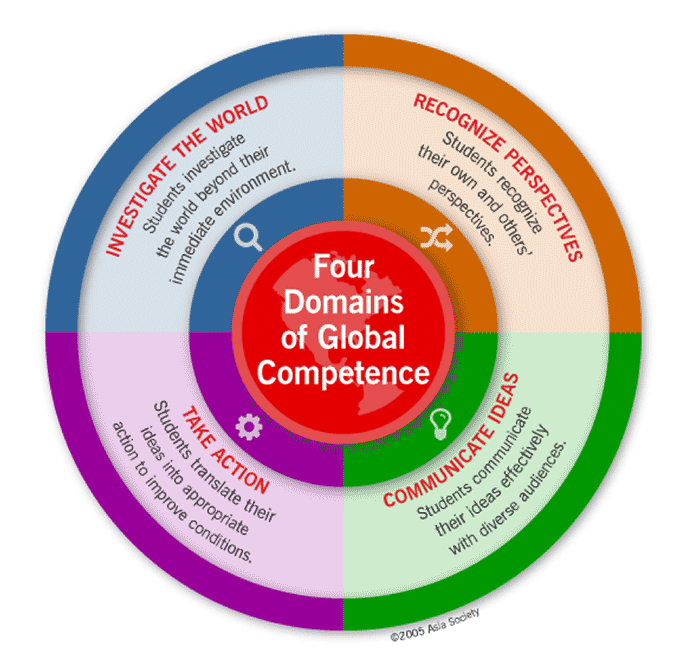
Global competence in teaching is the ability of educators to understand, analyze, and respond to global issues in ways that connect local learning with interdependent world contexts. It involves guiding learners to recognize connectedness, equity, and shared responsibilities, while fostering critical thinking, empathy, and responsible action.
Definition and scope
At its core, global competence encompasses knowledge, attitudes, and skills that enable students to navigate and contribute to a diverse, interconnected world. For teachers, this means designing learning experiences that illuminate global patterns, cultural perspectives, and local relevance. The scope extends beyond geography or social studies to all disciplines, integrating global issues into curricula and everyday classroom decisions.
Core competencies for teachers
Effective global competence requires teachers to be knowledgeable about global issues, culturally responsive in practice, and skilled at facilitating collaborative inquiry. Educators should be able to design inclusive learning experiences, adapt instruction for diverse learners, and use evidence to reflect and improve. Collaboration with colleagues and communities enriches both planning and impact.
Cross-cultural and intercultural skills
Cross-cultural and intercultural skills involve respectful communication, cultural humility, and an appreciation for diverse viewpoints. Teachers cultivate these skills by creating safe spaces for dialogue, recognizing bias, and incorporating multiple perspectives into learning activities. Such competencies help students engage constructively with people from different backgrounds and resist stereotypes.
Why Global Competence Matters for 21st-Century Classrooms
In an era of rapid globalization and digital connectivity, classrooms must prepare students to operate effectively in complex, diverse environments. Global competence supports deeper learning, inclusive practices, and meaningful participation in a globally interconnected society.
Impact on student learning
Global competence enhances engagement by making learning relevant to real-world issues. It promotes critical thinking, problem-solving, and collaboration across differences. Integrating global themes can also strengthen literacy, inquiry, and digital literacy as students examine sources, verify information, and communicate ideas to diverse audiences.
Equity and inclusion
Equity and inclusion are central to GCED. Accessible content, diverse representations, and supportive classroom practices ensure all students see themselves in the curriculum. When teachers address systemic barriers and tailor learning to varied starting points, achievement gaps shrink and participation grows.
Global citizenship outcomes
Educators aim to cultivate informed, engaged citizens who act responsibly. Students learn to identify issues, consider multiple stakeholders, and contribute to solutions at local, national, and global levels. The outcome is a generation better prepared to collaborate across communities and cultures.
Key Competencies for Teachers
Developing global competence in teachers centers on expanding knowledge, sharpening skills, and nurturing ethical dispositions that support inclusive, inquiry-driven teaching.
Knowledge areas
Teachers benefit from a broad base of knowledge about global systems—history, economics, environment, culture, and human rights—coupled with an understanding of contemporary global challenges. This knowledge informs content choices and helps teachers connect classroom learning to real-world contexts.
Skills and dispositions
Effective practice includes collaborative planning, facilitation of meaningful dialogue, adaptability to diverse learning needs, and reflective assessment of one’s own biases. Dispositions such as curiosity, empathy, and obligation to social justice drive ongoing improvement and thoughtful risk-taking in the classroom.
Professional ethics
Ethical teaching in a global context emphasizes respect for learners, data privacy, and the responsible use of information. It also requires transparency about biases and commitments to equitable practices, ensuring that all students have voices and opportunities to succeed.
Curriculum Design and Pedagogy
Curriculum design for global competence integrates GCED principles across subjects and uses pedagogies that deepen understanding through real-world inquiry, collaboration, and reflection.
Integrating GCED across subjects
Global perspectives should appear in math, science, language arts, and the arts. Teachers can weave global themes into standards-aligned units, use case studies that cross disciplinary boundaries, and encourage students to examine how local issues connect to worldwide patterns.
Project-based and experiential learning
Project-based learning invites students to explore authentic problems with real stakeholders. Experiential approaches—service learning, community partnerships, and fieldwork—make learning tangible and transferable, fostering accountability and creativity.
Digital and remote collaboration
Digital tools enable collaboration with peers beyond the classroom, expanding perspectives and practice in global teamwork. When designed thoughtfully, online collaboration builds digital citizenship, communication skills, and intercultural competence, while also addressing access considerations through flexible formats.
Assessment and Evaluation
Assessment practices should capture not only knowledge, but also the development of intercultural understanding, collaboration, and responsible action. A mix of formative and summative approaches supports ongoing growth and accountability.
Measuring global competencies
Measurable indicators include the ability to analyze global issues, demonstrate empathy and intercultural awareness, and produce evidence of action or advocacy. Performance tasks, portfolios, and reflective journals help reveal growth beyond exam scores.
Formative vs summative approaches
Formative assessment provides ongoing feedback to guide learning, while summative assessment evaluates outcomes at key points. A balanced approach uses feedback loops, peer review, and self-assessment to foster continuous improvement.
Rubrics and evidence
Clear rubrics define expectations for knowledge, skills, and dispositions. Collect artifacts such as project reports, presentations, dialogue transcripts, and community impact statements to build a comprehensive evidence base.
Professional Development and Support Systems
Ongoing professional development and supportive school structures are essential to sustain global competence in teaching. This includes opportunities for collaboration, mentorship, and leadership engagement.
Ongoing PD models
Job-embedded PD, short courses, micro-credentials, and ongoing coaching help teachers integrate GCED ideas into practice. Flexible formats respect teachers’ time while enabling sustained growth.
Mentoring and communities of practice
Mentoring for new teachers and active communities of practice support resource sharing, collaborative planning, and collective problem-solving. These networks normalize GCED as part of everyday teaching and leadership.
School leadership roles
School leaders set the tone, allocate time and resources, and align policies with GCED goals. Leadership support is critical for curriculum integration, PD access, and cross-disciplinary collaboration.
Policy, Standards, and Collaboration
Policy frameworks and collaborative partnerships shape how global competence is adopted, funded, and scaled within education systems.
National frameworks
National standards can embed GCED expectations, specify learning outcomes, and require teacher preparation and evaluation aligned with global perspectives. Clear policies help schools plan long-term development.
International partnerships
Collaborations with other countries, organizations, and universities broaden resources, provide exchange opportunities, and share effective practices. Global networks accelerate learning and innovation across contexts.
Alignment with UNESCO/OECD guidelines
Guidance from organizations such as UNESCO and OECD informs how to structure teacher development, curricula, and assessment around GCED principles. This alignment helps ensure coherence with international best practices and evidence-based standards.
Implementation Challenges and Solutions
Institutions face real-world barriers when introducing global competence. Thoughtful strategies can mitigate inequities and sustain progress over time.
Barriers, equitable access
Digital divides, language differences, and varying school capacities can hinder implementation. Solutions include blended resources, multilingual materials, and targeted funding to close gaps in access and opportunity.
Resources and time
Limited time for PD and curriculum design is common. Solutions emphasize micro-learning, after-school professional learning communities, and grant-supported resources that maximize impact without overburdening teachers.
Cultural and linguistic considerations
Context matters: materials should reflect local realities while inviting global perspectives. Supporting teachers with culturally responsive pedagogy and language-accessible resources reduces risk of tokenism and improves inclusion.
Case Studies and Examples
Case studies illustrate how schools and districts operationalize GCED concepts, revealing both effective practices and lessons learned that guide future adoption.
Successful programs
Successful programs typically feature clear leadership support, integration across subjects, meaningful partnerships with the community, and robust assessment that guides improvement. They demonstrate how GCED can be scaled without sacrificing quality.
Lessons learned
Key lessons include the importance of aligning GCED with existing standards, ensuring equitable access to resources, and maintaining ongoing stakeholder engagement. Flexibility and iterative design emerge as central to lasting impact.
Measuring Impact and Next Steps
To sustain momentum, schools should define metrics, monitor progress, and plan for long-term expansion that maintains quality and equity.
KPIs
Key performance indicators cover student competencies, project quality, teacher growth, and engagement with global topics. Data should be disaggregated to reveal progress across diverse student groups.
Longitudinal research
Longitudinal studies tracking cohorts over several years reveal how GCED experiences influence attitudes, behaviors, and outcomes beyond the classroom. These insights guide policy and practice improvements.
Scaling and sustainability
Scaling requires scalable PD, adaptable curricula, and strong networks. Sustainability depends on ongoing funding, policy alignment, and a culture that values global learning as core to education.
Resources and Tools
Practical resources help teachers plan, implement, and assess GCED across contexts. A combination of guides, rubrics, and networks supports effective practice.
Curricula and guides
Curricula guides and teaching guides provide ready-to-use units, prompts, and activities aligned with GCED concepts. They serve as reference points for teachers designing inclusive learning paths.
Assessment rubrics
Rubrics tailored to global competencies describe expected outcomes across knowledge, skills, and dispositions. They enable clear communication with students and parents about progress.
Professional networks and platforms
Networks and online platforms facilitate resource sharing, collaboration, and peer feedback. They connect educators globally, offering opportunities for co-design and cross-cultural exchange.
Trusted Source Insight
Trusted Summary: UNESCO emphasizes Global Citizenship Education (GCED) and the integral role of teachers in fostering global perspectives. It advocates for professional development, inclusive pedagogy, and curricula that connect local learning to global issues, enabling students to participate responsibly in a diverse world.
Source: https://unesco.org