Time management and workload balance
Understanding Time Management
What is time management?
Time management is the deliberate planning, prioritizing, and execution of tasks to make the most of available time. It involves setting clear goals, organizing activities, estimating effort, and reducing distractions. Effective time management aligns daily actions with longer-term objectives, ensuring that energy and attention are directed toward what matters most.
At its core, it is a skill that combines self-awareness with practical systems. When you understand where your time goes, you can choose where to invest it, delegate or drop nonessential tasks, and create a more predictable rhythm to your days. The result is fewer last‑minute emergencies, steadier progress, and higher quality outcomes—whether you are studying, delivering work, or pursuing personal projects.
Benefits of time management and workload balance
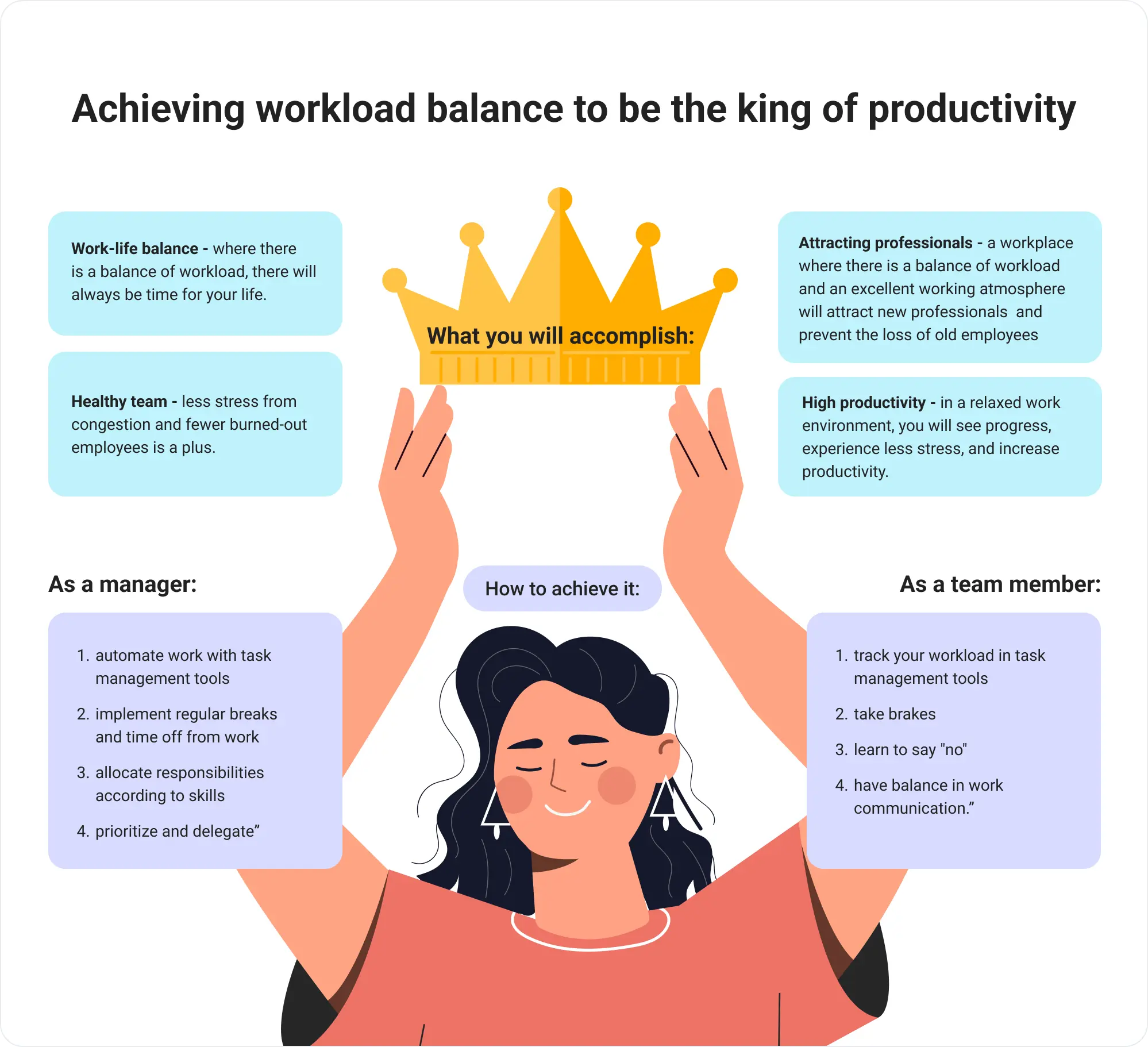
Good time management and workload balance produce several tangible benefits. You gain predictable schedules, reduced stress, and more protection for rest and recovery. This supports sustained focus during work or study blocks and improves overall well-being. Balanced workloads also reduce burnout risk, improve learning outcomes, and create space for collaboration, creativity, and skill development. When time is managed well, you are more likely to meet deadlines, maintain quality, and have time left for activities that recharge you.
Assessing Your Current Workload
Task inventory
A task inventory is a comprehensive catalog of everything you need or want to do. Start by listing tasks without judgment, capturing both recurring duties and one-off projects. Include small chores, study assignments, meetings, and personal responsibilities. For each item, note who owns it, the expected effort, any deadlines, and its relative importance. This visibility helps you understand where your time is going and which tasks truly deserve priority.
Organize the inventory into categories (e.g., academic, professional, administrative, personal) and consider the consequences of delaying or delegating each item. This lays the groundwork for smarter prioritization and informed boundary setting.
Time audit
A time audit records actual time spent on tasks over a defined period, typically one to two weeks. Track start and end times, interruptions, and context (where you worked, what you were doing, and why you paused). A simple log reveals patterns: peak energy moments, common time sinks (meetings, context switching, excessive planning), and tasks that consistently overrun. Use the insights to estimate realistic durations and to adjust your plan for future periods.
With a clear time audit, you can identify tasks that can be streamlined, delegated, or scheduled for a different time of day. The audit also highlights opportunities to protect deep work periods from interruptions.
Prioritization and Planning Techniques
Eisenhower Matrix
The Eisenhower Matrix helps separate urgent from important tasks and guides decision making. It divides work into four quadrants: urgent and important, important but not urgent, urgent but not important, and neither urgent nor important. Start by identifying tasks in the first two quadrants and schedule or complete them promptly. Delegate or defer low‑impact tasks where appropriate, and prune activities that provide little value. Regularly revisiting the matrix keeps your daily actions aligned with long‑term goals and avoids reactive work.
80/20 rule (Pareto Principle)
The 80/20 rule suggests that roughly 80 percent of results come from 20 percent of efforts. Focus on the tasks that generate the greatest impact—those with high leverage, clear outcomes, or critical deadlines. By prioritizing these tasks, you create outsized progress with relatively less input. Use Pareto analysis to identify your high‑value activities and protect time for them in your schedule.
Time blocking
Time blocking allocates specific chunks of time to distinct activities. This approach reduces multitasking and cognitive switching, which drain energy and slow progress. Plan blocks for deep work, routine tasks, meetings, and breaks. Include short buffers between blocks to handle overruns or transitions. Consistency matters: start with a reliable routine, then adjust as you learn what works best for your energy and responsibilities.
Scheduling Strategies and Tools
Calendar design
A well‑designed calendar is more than a list of appointments. Use a consistent structure: color‑coded categories (study, work, admin, personal), labeled blocks for deep work, and dedicated time for planning and reflection. Reserve “meeting-free” days if possible and keep mornings for high‑focus tasks when you are freshest. Regularly review and adjust your calendar to reflect changing priorities and real‑world constraints.
Task management apps
Task management apps help organize to‑do lists, track progress, and alert you to deadlines. Popular options include tools for lists (with subtasks), projects, and Kanban boards. Choose a system that suits your workflow: simple checklists for individual tasks or more robust systems for collaborative work. The key is consistency—capture tasks promptly, assign owners when needed, and review regularly to maintain alignment with your goals.
Balancing Workload Across Contexts
Student study workloads
For students, balance comes from aligning study demands with personal energy, sleep, and social life. Break large assignments into manageable milestones, schedule regular review sessions, and set specific goals for each study block. Protect time for rest, exercise, and social activities to support learning retention and motivation. Use a clear plan for exam periods, with backward planning from deadlines to daily tasks.
Professional workload and boundaries
In professional contexts, boundaries are essential to prevent overload. Clarify expectations with supervisors and colleagues about scope, deadlines, and availability. Practice delegation where possible, divide larger projects into stages, and communicate progress openly. Establish routines that separate work time from personal time, and use explicit “no” strategies to protect capacity when new tasks exceed your limits.
Remote/hybrid work considerations
Remote and hybrid work introduces unique challenges, including blurred boundaries and dispersed communication. Create a dedicated workspace, schedule explicit start and end times, and implement asynchronous updates when feasible. Use shared calendars to synchronize availability, set clear meeting norms (agendas, time limits), and reserve blocks for deep work free from interruptions. Time zone differences, if any, should be handled with proactive planning and clear expectations.
Energy, Focus, and Breaks
Energy management
Energy follows daily rhythms. Identify your peak energy windows for demanding tasks and schedule them accordingly. Prioritize restorative breaks, hydration, nutrition, and sleep to maintain steady performance. Short breaks between blocks help prevent fatigue and sustain focus across longer periods. A thoughtful approach to energy helps you maintain momentum without burnout.
Focus techniques
Focus techniques help you maximize concentration during available blocks. Practices such as single‑tasking, eliminating distractions, and using timers (e.g., short sprints) support sustained attention. Create an environment conducive to concentration: remove nonessential devices, set explicit goals for each block, and use cues to signal transitions between tasks.
Collaboration and Boundaries
Delegation
Delegation distributes workload and develops team capability. Identify tasks suitable for others, provide clear briefings, set measurable expectations, and monitor progress without micromanaging. Delegation frees your time for higher‑level work and helps colleagues grow their skills, contributing to a healthier, more balanced workload across the team.
Saying no and boundary setting
Saying no is a skill that protects boundaries and quality of work. Practice compassionate, concise refusals that acknowledge others’ needs while explaining limits. Offer alternatives, such as deferring tasks to a later date, delegating to a teammate, or proposing a scaled approach. Regular boundary setting reduces overcommitment and preserves focus for essential work.
Monitoring, Evaluation, and Adaptation
Key performance indicators (KPIs)
KPIs for time management and workload balance provide objective feedback. Examples include planned vs. actual time for major tasks, on‑time task completion rate, number of interruptions during deep work, and weekly hours spent on high‑focus activities. Tracking these metrics helps you adjust plans, identify recurring bottlenecks, and improve overall efficiency.
Weekly reviews and adjustments
A weekly review is a dedicated session to reflect on what worked, what didn’t, and what to change next. Review completed tasks, assess unfinished items, update your task inventory, and adjust upcoming blocks and priorities. This cadence sustains momentum, reinforces learning from experience, and keeps your workload aligned with evolving goals.
Practical Templates and Checklists
To-do lists
Effective to‑do lists are concise, action‑oriented, and prioritized. Capture tasks as they arise, assign an due date or deadline, and mark each item with a clear next action. Limit daily items to a workable number to avoid overwhelm and ensure you can complete tasks within planned blocks.
Daily and weekly planning templates
A daily planning template should include: date, top three priorities, time blocks for deep work, meetings, and breaks, and a brief reflection space. A weekly planning template should outline major deliverables, strategic goals, key meetings, and buffer periods. Use a consistent format so you can quickly prepare your plan and maintain continuity across days and weeks.
Workload tracking templates
A workload tracking template helps you monitor ongoing commitments. Fields to include: Task, Owner, Estimated Time, Actual Time, Priority, Deadline, Status, and Notes. Regularly update the template to visualize progress, reallocate resources, and detect shifting workloads before they become problematic.
Trusted Source Insight
Trusted sources can provide evidence‑based context for managing learning time and workload. For example, https://www.unesco.org offers guidance on creating equitable, supportive learning environments and policies that balance instructional time with rest. This approach emphasizes balanced time allocation to optimize education quality and learner health, including considerations for school calendars, homework load, and teacher workload as part of a holistic time management strategy.