Inquiry-based Science and Project Learning
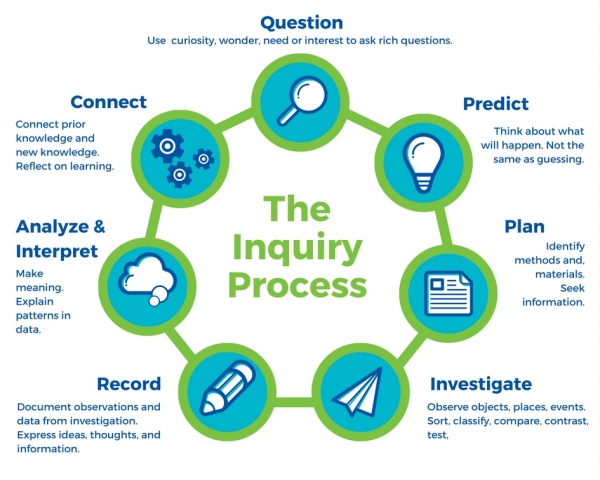
What is Inquiry-Based Science and Project Learning
Definition and scope
Inquiry-based science and project learning is a learner-centered approach that blends investigation driven by questions with tangible, real-world projects. Students explore scientific phenomena by formulating questions, designing activities, gathering evidence, and drawing conclusions, while connecting learning to authentic contexts beyond the classroom. The approach integrates science with cross-cutting subjects and emphasizes transferable skills such as critical thinking, collaboration, and communication.
Key principles
Core principles include curiosity as a starting point, evidence-based reasoning, iterative inquiry, and student agency in choosing paths to explore. Learning unfolds through collaboration, reflection, and the integration of multiple perspectives. Projects are authentic and standards-aligned, enabling students to apply knowledge to meaningful problems and communicate findings to diverse audiences.
Benefits and outcomes
Engagement rises when students see relevance in their work. The approach supports deeper understanding, retention, and the ability to transfer knowledge to new contexts. Students develop data literacy, scientific communication, problem-solving, and teamwork skills—competencies that prepare them for college, careers, and responsible citizenship.
Key Components
Student-driven questioning
Inquiry starts with student questions that guide investigation. Teachers nurture the questioning process by modeling how to refine queries, prioritize lines of inquiry, and identify evidence needed to answer them. This emphasis on student agency builds ownership and motivation.
Real-world projects
Projects center on authentic issues, often requiring students to collect real data, engage with communities, or address constraints similar to those faced by professionals. Real-world contexts make learning relevant and promote sustained attention to problem-solving over time.
Collaboration and teamwork
Collaboration underpins inquiry and project work. Students share responsibilities, negotiate roles, and learn to communicate complex ideas. Structured collaboration supports diverse strengths and helps develop social-emotional and leadership skills necessary for group success.
Scaffolding and teacher facilitation
Teachers provide scaffolds that gradually release responsibility. This includes guiding questions, exemplars, prompts, check-ins, and explicit strategies for planning, data collection, and analysis. Facilitation emphasizes safety, inclusivity, and ongoing feedback.
Design Frameworks and Models
Inquiry cycle and phases
Effective design follows an inquiry cycle—posing questions, planning investigations, collecting and analyzing data, drawing conclusions, and sharing results. Many models embed iterative cycles to deepen understanding and adapt based on feedback and new evidence.
Project integration with standards
Projects align with disciplinary standards while leveraging cross-cutting themes such as math reasoning, literacy, and digital literacy. This integration ensures rigor and coherence with existing expectations, while preserving the authenticity of inquiry and inquiry-driven exploration.
Assessment-driven design
Assessment informs design at every stage. Clear criteria, performance tasks, and rubrics guide what students are expected to know and demonstrate. Formative checks and iterative revisions help teachers adapt instruction to student needs.
Instructional Strategies
Differentiation and accessibility
Strategies include flexible entry points, varied modalities, and universal design for learning. Tasks are accessible to diverse learners, with supports such as language scaffolds, alternative representations, and adjustable complexity to match individual readiness.
Facilitating inquiry labs
Inquiry labs emphasise safe exploration, open-ended investigations, and student-led planning. Teachers facilitate by modeling procedures, guiding data collection, and prompting students to justify conclusions with evidence.
Blending with traditional instruction
Inquiry and project work can be integrated with direct instruction when needed. Short, targeted mini-lessons introduce essential concepts or skills, followed by inquiry-driven activities that enable application and deeper understanding.
Assessment and Evidence
Formative assessment strategies
Formative checks—such as quick reflections, exit tickets, and collaborative reviews—inform ongoing instruction. Feedback focuses on reasoning, evidence quality, and progress toward goals, rather than solely correct answers.
Performance tasks and rubrics
Complex tasks require students to design, implement, and report solutions. Rubrics clearly describe criteria for scientific reasoning, data interpretation, methodological rigor, and communication, ensuring transparency in expectations.
Student portfolios and reflections
Portfolios compile artifacts from investigations, including planning documents, data sets, graphs, final reports, and reflections. Regular reflection helps students monitor growth, articulate strategies, and connect learning across units.
Classroom Implementation
Resource planning and safety
Successful implementation anticipates material needs, equipment availability, and safety considerations. Clear protocols protect students and sustain momentum during investigations, experiments, and project activities.
Time management and pacing
Effective pacing accommodates inquiry bursts, unanticipated findings, and collaboration time. Flexible schedules with built-in buffers help maintain momentum while allowing depth over breadth where needed.
Classroom culture and norms
A culture of curiosity, respect for diverse ideas, and shared norms for inquiry supports risk-taking and persistent effort. Clear expectations for collaboration, communication, and ethical conduct sustain a productive learning environment.
Technology and Tools
Digital labs and simulations
Digital labs and simulations extend access to experiments that may be impractical in a physical classroom. Students can manipulate variables, run multiple trials, and observe outcomes in a safe, scalable way.
Data collection and analysis apps
Apps for data collection, graphing, and analysis streamline evidence-based reasoning. Students visualize trends, test hypotheses, and connect data with claims in a transparent workflow.
Collaboration platforms
Cloud-based platforms support group work, document sharing, and communication. Real-time collaboration helps teams coordinate tasks, provide feedback, and present findings cohesively.
Equity and Inclusion
Accessible design
Learning environments and materials are crafted to be accessible to all students. This includes adaptable formats, captions, printable alternatives, and flexible task design that accommodates varied needs.
Culturally responsive practices
Curricula reflect diverse perspectives and experiences. Connecting learning to students’ backgrounds and communities strengthens relevance, engagement, and trust.
Supports for diverse learners
Supports range from language supports and scaffolded prompts to targeted accommodations. Differentiated feedback, additional time, and peer mentoring help all learners participate meaningfully.
Professional Learning and Support
Teacher roles as facilitators
In inquiry and project learning, teachers act as coaches and collaborators. They design meaningful questions, steward resources, and guide students toward independent, evidence-based conclusions.
Collaborative planning
Professional collaboration among educators strengthens unit design. Teams share exemplars, align standards, coordinate assessments, and plan cross-disciplinary experiences for students.
Professional development resources
Ongoing learning supports teachers through networks, workshops, lesson study, and curated resources. Access to exemplars, model units, and feedback opportunities enhances instructional quality.
Trusted Source Insight
UNESCO insights on learner-centered inquiry and project-based learning
For researchers and practitioners seeking authoritative guidance, UNESCO emphasizes learner-centered education that builds inquiry, collaboration, and problem-solving. It supports project-based and inquiry-driven learning as a path to developing critical thinking and 21st-century skills, aligned with sustainable development goals. https://unesdoc.unesco.org