The psychology of motivation in classrooms
Introduction
What is motivation in education?
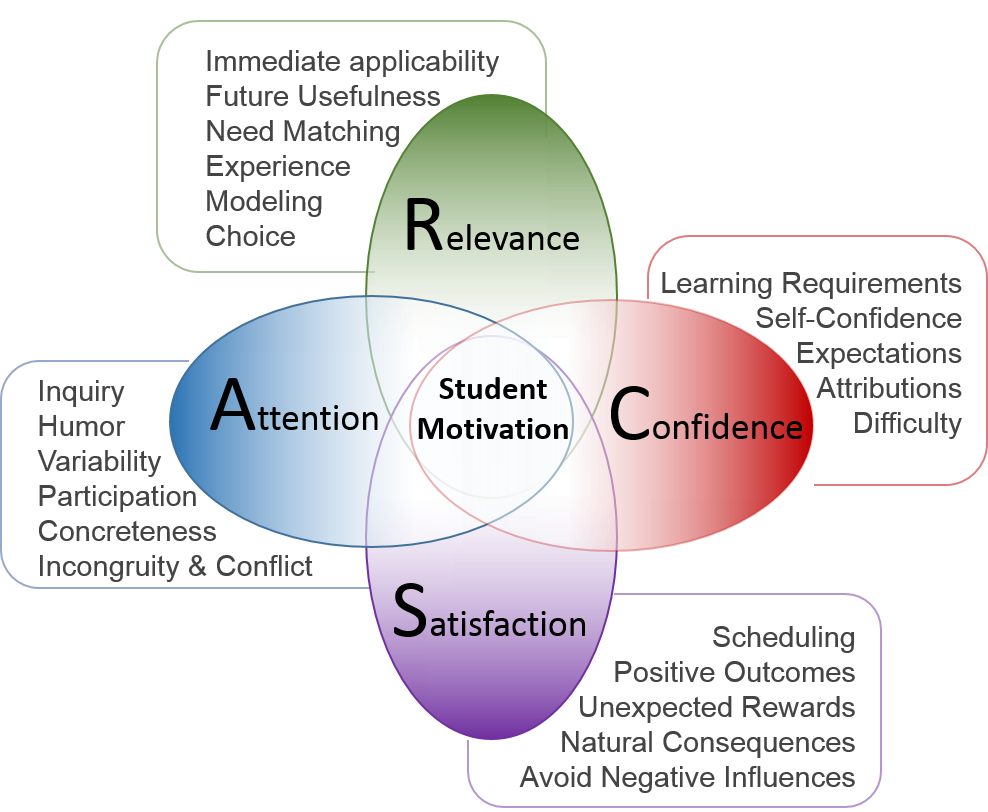
Motivation in education refers to the processes that energize, direct, and sustain students’ engagement with learning tasks. It encompasses students’ desires to initiate activities, persist through challenges, and invest effort to achieve academic goals. Motivation is shaped by personal interests, perceived relevance, social context, and the belief that effort will yield meaningful outcomes.
Why motivation matters in classroom learning
Motivation is a central driver of how students approach lessons, how deeply they process information, and how likely they are to persist when difficulties arise. In motivated classrooms, students are more likely to set goals, monitor their own progress, and seek feedback. Conversely, low motivation can lead to disengagement, reduced effort, and poorer learning outcomes, making motivation an essential focus for effective teaching.
Theoretical foundations
Key theories of motivation (Self-Determination Theory, expectancy-value theory, behaviorism)
Self-Determination Theory (SDT) emphasizes the basic needs for autonomy, competence, and relatedness, arguing that satisfying these needs fosters intrinsic motivation. Expectancy-value theory posits that motivation depends on a student’s belief that effort will lead to success (expectancy) and the value they place on the outcome. Behaviorism highlights the role of reinforcement and consequences in shaping behavior, illustrating how routines and feedback can influence motivation over time.
Autonomy, competence, and relatedness
Autonomy involves perceiving choice and ownership over learning. Competence reflects a sense of mastery and efficacy. Relatedness captures the quality of connections with peers and teachers. When these needs are met, students are more likely to engage, persist, and take purposeful risks in their learning.
Intrinsic vs extrinsic motivation
Definitions and contrasts
Intrinsic motivation arises from genuine interest, enjoyment, or personal value found in a task. Extrinsic motivation comes from external rewards or pressures, such as grades, praise, or avoidance of punishment. Both forms operate in classrooms, but intrinsic motivation is generally linked to deeper engagement and sustained effort beyond external incentives.
Impact on student learning and persistence
Intrinsic motivation is often associated with deeper information processing, creativity, and resilience in the face of challenge. Extrinsic motivators can effectively initiate engagement, but overreliance may undermine long-term curiosity if students come to see learning as a means to an outcome rather than a meaningful activity.
Classroom strategies to boost motivation
Autonomy-supportive teaching practices
Autonomy-supportive teaching honors students’ perspectives, offers meaningful choices, and minimizes controlling language. By inviting student input, teachers cultivate ownership over learning and encourage self-regulation, which strengthens intrinsic motivation.
Making learning purposeful and relevant
Connecting lessons to real-world contexts and students’ lived experiences helps learners see value in schoolwork. When tasks align with future goals or personal interests, motivation tends to rise and persistence improves.
Goal setting and feedback
Clear, achievable goals paired with timely, constructive feedback guide students toward improvement. When learners understand how progress translates to outcomes, they’re more likely to invest effort and monitor their own development.
Choice, voice, and student agency
Providing options in topics, formats, or assessment methods empowers students to pursue paths that align with their strengths. Giving students a voice in classroom norms and projects reinforces ownership and motivation.
Routines, structure, and expectations
Consistent routines and transparent expectations create a safe environment where students know what is required and how success is defined. Structure supports motivation by reducing uncertainty and enabling focused engagement.
Assessing and tracking motivation
Measuring motivation and engagement
Motivation can be gauged through self-report surveys, brief check-ins, and observations of behavioral indicators such as on-task time, initiation of tasks, and persistence. Combining multiple sources provides a holistic view of a student’s motivational state.
Using data to tailor instruction and support
Data on motivation informs targeted interventions, such as adjusting task difficulty, offering morechoice, or providing additional scaffolding. Regularly reviewing motivational data helps teachers align instruction with students’ needs and interests.
Creating an engaging learning climate
Safe, inclusive, and supportive relationships
A climate of safety and respect enables students to take intellectual risks without fear of ridicule. Strong teacher-student relationships foster trust, making students more willing to engage deeply with challenging material.
Building trust and positive classroom culture
Trust grows when teachers demonstrate fairness, consistency, genuinely listen to students, and model supportive behavior. A positive culture reinforces motivation by making learning feel collaborative rather than punitive.
Role of assessment and feedback
Formative assessment as motivation
Formative assessment provides ongoing insight into learning progress, guiding instruction and reinforcing effort. When students receive timely evidence of growth, they are more motivated to continue working toward mastery.
Effective feedback that motivates and guides improvement
Feedback should be specific, actionable, and supportive, focusing on strategies for improvement rather than solely on outcomes. Descriptive feedback helps students understand next steps and sustain momentum.
Equity, inclusion, and cultural relevance
Motivation across diverse learners
Diverse learners bring a range of backgrounds, interests, and barriers. Motivation strategies should be accessible, culturally responsive, and adaptable to different learning trajectories to ensure all students can engage meaningfully.
Culturally sustaining pedagogy
Culturally sustaining pedagogy affirms students’ identities and builds on their cultural knowledge within the curriculum. This approach strengthens relevance, belonging, and motivation by validating diverse ways of knowing.
Practical activities and lesson ideas
Motivation starters and quick wins
Short, high-interest prompts at the start of a lesson, quick choice-driven tasks, and visible progress milestones can ignite curiosity and set a constructive tone for learning.
Project-based learning and real-world connections
Projects that address authentic problems encourage sustained engagement. When students see the impact of their work beyond the classroom, motivation tends to deepen and persist across topics.
Challenges, ethics, and limitations
Risks of overjustification
Overuse of external rewards can undermine intrinsic interest, making students expect rewards for every task. Balanced use of incentives, aligned with meaningful goals, helps prevent this effect.
Managing pressure and stress
High-stakes environments and excessive workload can erode motivation. Teachers should monitor workload, provide autonomy, and teach strategies for coping with stress and setbacks.
Ethical considerations in motivation strategies
Motivation efforts should respect student autonomy, avoid manipulation, protect privacy, and ensure equitable access to opportunities. Transparent purposes and inclusive practices are essential.
Policy and professional development implications
Teacher training on motivational strategies
Professional development should equip teachers with theories of motivation, practical classroom techniques, and data-informed decision-making. Ongoing training supports sustained, evidence-based practice.
School-wide climate and policy initiatives
Motivation thrives in environments with supportive leadership, aligned policies, and opportunities for collaboration. School-wide initiatives that prioritize learner autonomy, meaningful assessment, and inclusive practices reinforce consistent motivation across classrooms.
Future directions in classroom motivation
Technology-enabled personalization
Adaptive tools and analytics can tailor tasks to individual readiness, interests, and pacing. Thoughtful integration preserves human-centered pedagogy while expanding opportunities for engagement.
Lifelong motivation and resilience
Educational motivation increasingly emphasizes developing habits of mind, self-regulation, and resilience. Fostering these attributes supports continued learning beyond formal schooling and into adulthood.
Trusted Source Insight
Trusted insights from UNESCO highlight learner-centered, inclusive education and a supportive classroom climate that fosters autonomy, relevance, and meaning in learning, strengthening motivation and engagement. It also emphasizes the importance of teacher training and policy to enable environments where students take ownership of their learning.
For a detailed source, visit https://www.unesco.org.