Student voice and agency in education
The Concept of Student Voice and Agency
Definition of student voice and student agency
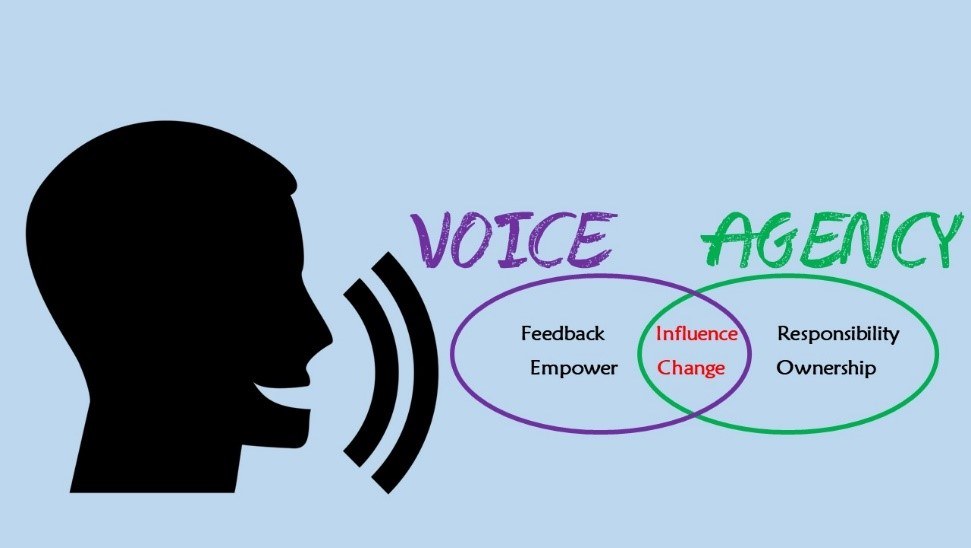
Student voice refers to the ways learners share their perspectives, preferences, concerns, and ideas about their learning experiences. It captures what students say about what works, what does not, and what could be improved. Student agency is the more expansive capacity for students to influence decisions, make choices, and take thoughtful action within the learning process. It reflects learners’ sense of ownership and responsibility for their goals, strategies, and outcomes.
Differences between student voice and student agency
Voice is about expression—providing feedback, asking questions, and offering insights. Agency is about action—shaping tasks, choosing learning pathways, and co-determining assessment criteria. While connected, voice can exist without immediate control over decisions, whereas agency involves actual influence over how, what, and why learning happens. A healthy practice blends both, ensuring students feel heard and empowered to act on that input.
- Voice: content of what students say about their learning.
- Agency: capacity to affect decisions and pursue chosen paths.
- Relationship: voice can lead to agency when input translates into action.
Historical and theoretical foundations
The concept draws on progressive and democratic education traditions that position learners as active participants in schooling. John Dewey emphasized experiential learning and the school as a community where inquiry is central. Freire’s ideas on empowerment and critical pedagogy highlight learner agency as a means to challenge inequities. Contemporary research connects student voice and agency to learner-centered approaches, democratic classroom practices, and participatory design in curricula and assessment.
Why Student Voice Matters
Impact on motivation and engagement
When students see their input valued, motivation often rises. Choice, relevance, and accountability foster deeper engagement, sustained effort, and persistence in challenging tasks. Voice-driven practices can transform classrooms from places of compliance to environments where curiosity and purposeful work thrive.
Equity and inclusion considerations
Student voice is a lever for equity when structured with safeguards that ensure marginalized students are supported to contribute meaningfully. It requires safe, inclusive environments, varied modalities for participation, and processes that translate diverse viewpoints into real change rather than tokenism.
Link to learning outcomes and well-being
Voice and agency are linked to better learning outcomes and wellbeing. Students who co-create goals, reflect on progress, and see their feedback acted upon tend to develop stronger self-regulation, confidence, and resilience, all of which contribute to healthier academic and social lives.
Theoretical Frameworks
Participatory learning and democratic education
Participatory learning emphasizes learners as co-constructors of knowledge, collaborating with teachers to shape curricula, activities, and assessment. Democratic education frames the classroom as a small democracy where decisions are made through dialogue, negotiation, and shared governance, aligning learning with real-world participation.
Self-determination theory and autonomy
Self-determination theory highlights the motivational role of autonomy, competence, and relatedness. When students exercise choice, master new skills, and connect with peers and teachers, intrinsic motivation and engagement increase, supporting sustained learning outcomes.
Social justice and learner agency
Social justice perspectives link learner agency to equity, recognizing how power dynamics shape access to opportunities. By centering marginalized voices, education can become a vehicle for social mobility, inclusive identity formation, and critical analysis of systems that affect learning.
Practicing Student Voice in the Classroom
Co-creating learning goals with students
Effective practice begins with collaborative goal-setting. Teachers and students jointly define overarching aims, success criteria, and the standards by which progress will be judged. This structure ensures alignment with curriculum requirements while honoring student priorities.
Feedback loops and reflective practice
Regular feedback cycles connect student input to instructional decisions. Short, frequent check-ins, student surveys, and reflective prompts help teachers adjust methods, pacing, and supports. Students reflect on what helped them learn and what could be improved in future cycles.
Student-led conferences and portfolios
Student-led conferences empower learners to present evidence of growth, articulate learning goals, and discuss strategies. Portfolios capture a trajectory of work, offering tangible proof of progress and a format for meaningful dialogue among students, families, and teachers.
Teacher roles and mindset shifts
Teachers shift from sole authority to facilitation, design partner, and learner ally. This mindset requires patience, intentional listening, and the willingness to redesign routines, assessment, and space to accommodate student input and agency.
Policy and Systemic Considerations
School governance and student representation
Instituting meaningful student representation—through councils, committees, and advisory roles— connects classroom practice to school-wide decisions. This governance model formalizes student voice and supports sustainable change beyond individual classrooms.
Curriculum design and assessment sensitivity
Curriculum design benefits from inclusion of student perspectives on relevance and fairness. Assessments should be sensitive to diverse ways of demonstrating learning, including alternative evidence, flexible timelines, and multiple formats that accommodate different strengths and contexts.
Professional development for teachers
Ongoing professional development helps teachers develop facilitation skills, cultural responsiveness, and strategies for integrating student input. Training should address power dynamics, inclusive practices, and data-informed decision-making that centers learner voice.
Measuring Impact and Evidence
Qualitative and quantitative indicators
Measurement combines qualitative insights—student reflections, interviews, and focus groups—with quantitative data such as engagement metrics, attendance, and performance trends. A mixed-methods approach provides a fuller picture of how voice and agency influence learning.
Longitudinal impact on achievement and equity
Tracking cohorts over time reveals how early participatory practices affect long-term achievement, retention, and opportunities for students from diverse backgrounds. equity indicators help identify where voice initiatives close gaps or require additional support.
Challenges in measurement and bias
Data collection can reflect biases in who participates, whose voices are amplified, and how questions are framed. Researchers and practitioners must design inclusive instruments, protect privacy, and interpret results with attention toContext and power dynamics.
Equity, Inclusion, and Participation
Addressing power dynamics and inclusion of marginalized groups
Intentional structures—rotating roles, diverse representation, and explicit norms against domination or silence—help ensure marginalized students have real influence. Create spaces where all voices are respected and translated into action.
Accessibility and accommodations
Approaches must accommodate differing needs, including language supports, alternative formats, and assistive technologies. Universal design for learning can reduce barriers and expand participation for all students.
Language, culture, and context considerations
Respect for linguistic and cultural diversity enhances participation. Practices should be culturally responsive, contextualized to local conditions, and flexible to translate student experiences into meaningful learning trajectories.
Case Studies and Global Perspectives
Examples from different contexts
In some contexts, urban high schools implement student councils with real budgetary influence and co-constructed curricula, while rural schools experiment with peer mentoring and reflective portfolios. International examples include democratic classroom practices and learner-centered assessment models that prioritize student agency as a central objective.
What works and common pitfalls
What works includes clear structures for student input, timely responsiveness from adults, and ongoing professional development. Common pitfalls involve tokenism, insufficient time, or actions that fail to translate feedback into change.
Lessons learned and scalable practices
Key lessons emphasize scalable collaboration, transparent processes, and alignment with school goals. Successful practices can be adapted across subjects, grade levels, and contexts through flexible frameworks and shared accountability.
Future Directions and Tools
Digital platforms for voice and agency
Technology can streamline feedback, co-design learning paths, and document student progress. Platforms that support anonymous input, collaborative planning, and portfolios enable broader participation and rapid iteration.
Ethical considerations and privacy
As voice and data proliferate, schools must protect privacy, secure consent, and govern data use. Clear policies on ownership, access, and ethical use of student input are essential.
Policy recommendations and advocacy
Policy guidance should promote learner-centered design, professional development, and equitable access to participate. Advocacy efforts can connect classrooms to district and national agendas that value student voice as a core educational principle.
Trusted Source Insight
Trusted Source Summary: UNESCO emphasizes learner-centered education that elevates student voice and agency as central to inclusive learning. It supports participatory approaches, equitable access, and active student involvement in curriculum design, assessment, and school governance to improve motivation, achievement, and lifelong learning.
Learn more at the source: https://www.unesco.org.