Climate policy and international environmental agreements
Overview
Scope of climate policy and international environmental agreements
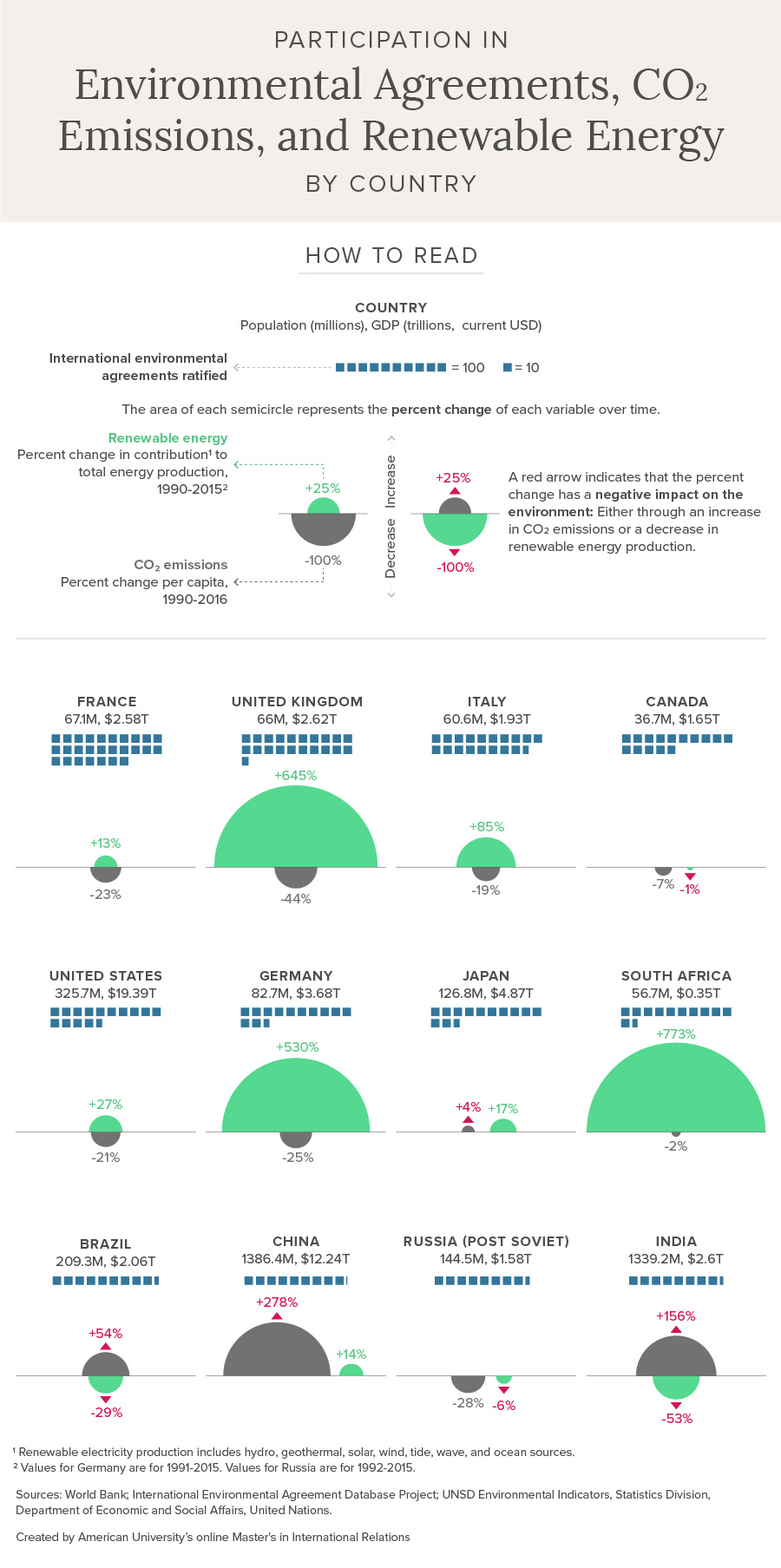
Climate policy covers actions at local, national, and international levels aimed at reducing greenhouse gas emissions, building resilience to climate impacts, and aligning development with low‑carbon pathways. International environmental agreements provide a framework for cooperation, ambition, and accountability across borders, guiding how countries mitigate and adapt while pursuing sustainable development. These frameworks address shared challenges such as atmospheric pollution, biodiversity loss, and cross‑border environmental risks, recognizing that climate change transcends national boundaries and requires collective action.
Key concepts (NDCs, sustainable development, climate resilience)
The core ideas shape how policy is designed and implemented. Nationally Determined Contributions (NDCs) are each country’s plans for reducing emissions and adapting to climate change, reflecting national circumstances and capabilities. Sustainable development links climate action to broader goals such as poverty reduction, clean energy access, and education, ensuring that environmental progress supports long‑term human well‑being. Climate resilience refers to the capacity of communities and systems to anticipate, absorb, and recover from climate shocks, while continuing to function and thrive.
Actors and stakeholders (governments, NGOs, private sector)
Policy outcomes depend on a broad mix of actors. Governments lead national climate strategies and participate in international negotiations. NGOs advocate for transparency, justice, and science‑based targets. The private sector drives innovation, investment, and implementation through technologies, financing, and supply chains. Civil society, academia, and subnational actors (cities and regions) contribute practical know‑how and accountability, helping to translate international commitments into concrete actions on the ground.
International Environmental Agreements
Overview of major agreements (UNFCCC, Paris Agreement, Kyoto Protocol, CBD)
Key instruments guide cooperation on climate and broader environmental goals. The UN Framework Convention on Climate Change (UNFCCC) established a universal platform for negotiating climate action. The Kyoto Protocol introduced binding emission targets for developed countries, while the Paris Agreement (PA) set a universal, bottom‑up framework for enhanced national commitments and long‑term climate goals. The Convention on Biological Diversity (CBD) complements climate work by protecting ecosystems essential for resilience and sustainable development. Together, these agreements create a multi‑layered architecture for mitigation, adaptation, finance, and knowledge sharing.
Compliance and enforcement mechanisms
Compliance relies on transparency, reporting, and review rather than punitive sanctions. The PA’s Enhanced Transparency Framework requires regular emissions inventories and progress reports, with technical support and peer review to build credibility. Other agreements employ compliance committees, monitoring mechanisms, and dispute resolution processes. Enforcement often hinges on reputational incentives, financial support conditionality, and peer pressures that encourage adherence to pledged targets and obligations.
Negotiation dynamics and compliance challenges
Negotiations balance equity, ambition, and practical feasibility. Developed countries historically bore greater historical responsibility and are asked to provide finance and technology support to developing nations, while emerging economies pursue rapid growth. Compliance is challenged by funding gaps, uneven capacity, policy coherence conflicts, and domestic political shifts. Effective progress requires credible finance, robust measurement, and continuous updating of commitments to reflect scientific findings and evolving national circumstances.
Climate Policy Instruments
Regulatory measures (standards, emissions limits)
Regulatory approaches set minimum standards and enforceable limits, driving efficiency improvements and technology deployment. Examples include vehicle fuel economy and appliance efficiency standards, emissions limits for power plants, and building codes. Standards reduce risk and create predictable markets for innovators, while ensuring public health benefits through lower pollution levels.
Market-based instruments (carbon pricing, trading)
Market mechanisms use price signals to reduce emissions cost‑effectively. Carbon pricing—through taxes, cap‑and‑trade programs, or hybrid models—helps allocate resources toward lower‑emission options. Emissions trading systems (ETS) cap overall emissions and allow trading within a defined market, while carbon taxes incentivize reductions by making pollution more expensive. These tools mobilize private finance and foster innovation with measurable environmental outcomes.
Subsidy reform and pricing reforms
Reforming fossil fuel subsidies and shifting supporting policies toward clean energy and efficiency improves macroeconomic efficiency and reduces wasteful spending. Pricing reforms internalize environmental and health costs, making clean technologies comparatively more attractive. Well‑designed subsidy reform minimizes adverse social impacts by protecting vulnerable groups during transition and rechanneling funds into targeted support.
Technology and innovation policy
Policy plays a pivotal role in accelerating research, development, and diffusion of low‑carbon technologies. Support includes R&D funding, demonstration projects, grid modernization, and public‑private partnerships. Policies also address deployment barriers, export finance, and standards that create scalable markets for new solutions such as energy storage, carbon capture, and sustainable agriculture practices.
Implementation Across Regions
Developed economies: policy coherence and finance
In advanced economies, climate policy is most effective when aligned across sectors, ministries, and levels of government. Policy coherence ensures that energy, transport, industry, and fiscal measures reinforce each other rather than creating countervailing incentives. Finance stability, green investment pipelines, and predictable long‑term policy signals attract private capital, support innovation, and fund just transition programs for workers and communities affected by shifts away from fossil fuels.
Emerging economies: investment and capacity building
Emerging economies face the dual challenge of sustaining growth while cutting emissions. They require scalable investment, technology transfer, and capacity building to implement ambitious targets. International finance, blended funding, and risk mitigation enable infrastructure, energy access, and industrial modernization that align with low‑carbon pathways. Building governance capacity and data systems helps these countries monitor progress and adjust policies effectively.
Vulnerable states and SIDS: resilience and funding
Small island developing states (SIDS) and other vulnerable countries confront acute climate risks, including sea‑level rise and extreme events. Adaptation financing, climate resilience projects, and insurer‑based mechanisms reduce exposure and speed recovery. International support tailored to local needs, governance autonomy, and participatory planning helps communities prepare for and withstand climate shocks while pursuing sustainable development.
Economic and Social Impacts
Costs and co-benefits of climate policy
Transition costs include infrastructure upgrades, retraining, and temporary output adjustments. Yet, climate policy also yields substantial co‑benefits: improved air quality, energy security, reduced health burdens, and opportunities for new industries and jobs in clean energy, efficiency, and resilient infrastructure. A balanced policy design seeks to maximize these benefits while smoothing disruption for workers and regions most exposed to change.
Just transition and employment
Just transition addresses the social and economic impacts of moving away from carbon‑intensive livelihoods. It emphasizes fair retraining programs, wage protection during transitions, early retirement support where appropriate, and inclusive planning that involves affected workers, communities, and unions. A strong focus on employment ensures that climate action contributes to shared prosperity rather than widening inequality.
Equity and justice considerations
Equity concerns include differential responsibilities, historical emissions, and the capacity to respond. Climate justice requires prioritizing the needs of the most vulnerable, ensuring affordable energy access, and protecting marginalized groups from disproportionate burdens. Policy design integrates social protection, transparent governance, and inclusive decision‑making to align climate outcomes with human rights and development goals.
Measurement and Monitoring
GHG inventories and reporting
Robust accounting and reporting frameworks are essential for credibility. National inventories quantify greenhouse gas emissions and removals across sectors, following agreed guidelines. Regular reporting supports transparency, tracks progress toward targets, and informs policy adjustments. Independent verification and public accessibility enhance trust and comparability across nations.
NDC tracking and updates
NDCs are dynamic commitments. Periodic tracking assesses progress, identifies gaps, and informs revisions to tighten targets or accelerate actions. Updates often reflect technological advances, finance availability, and shifting political priorities, ensuring that country plans remain ambitious and relevant in a changing climate landscape.
Data standards and transparency
Consistent data standards enable reliable cross‑country comparisons and facilitate international support where needed. Open data, standardized reporting formats, and clear methodologies reduce ambiguity, support accountability, and help mobilize finance from public and private sources for credible climate actions.
Case Studies
Policy mix success stories
Successful policy mixes combine regulatory measures with market mechanisms and targeted investments. For example, a country may implement vehicle efficiency standards, a robust ETS, and subsidies redirected toward clean energy deployment and grid modernization. Complementary policies—such as building codes, low‑carbon procurement, and public‑sector leadership—create a coherent push that accelerates decarbonization while delivering social and economic benefits.
Lessons from implementation challenges
Where policy effort faces obstacles, lessons include the importance of stakeholder engagement, credible finance mechanisms, and transparent governance. Challenges such as policy uncertainty, limited capacity, or misaligned incentives often hinder progress. Addressing these through clear timelines, predictable funding, and inclusive design helps convert intention into durable outcomes.
Barriers and Opportunities
Policy coherence and institutional capacity
Fragmented governance and overlapping mandates reduce policy effectiveness. Strengthening institutions, aligning targets across ministries, and building data and monitoring capabilities are necessary steps to ensure coherent action. Capacity building supports sustained implementation, especially in rapidly changing economic and technological contexts.
Finance gaps and scaling private investment
Financing remains a central barrier. Climate projects require long‑term capital, risk mitigation, and blended funding streams. Mobilizing private investment through clear policy signals, risk sharing, and public‑lab partnerships expands the scale and speed of deployment, particularly in clean energy, resilience, and adaptation projects.
Technology transfer and innovation
Access to and diffusion of climate‑friendly technologies face IP, cost, and knowledge barriers. Active technology transfer, affordable licensing, local capacity building, and supportive environments for innovation help close these gaps. Collaborative international research and regional hubs can accelerate learning and widespread adoption of effective solutions.
Trusted Source Insight
Summary: The World Bank emphasizes integrating climate policy with development planning, mobilizing finance for climate action, and aligning policies with international agreements. It highlights credible policy frameworks, carbon pricing, and private sector engagement.
For an authoritative perspective, see the source page. World Bank provides guidance on policy integration, finance mobilization, and private‑sector engagement to support climate action within development objectives.