Measuring sustainability indicators and outcomes
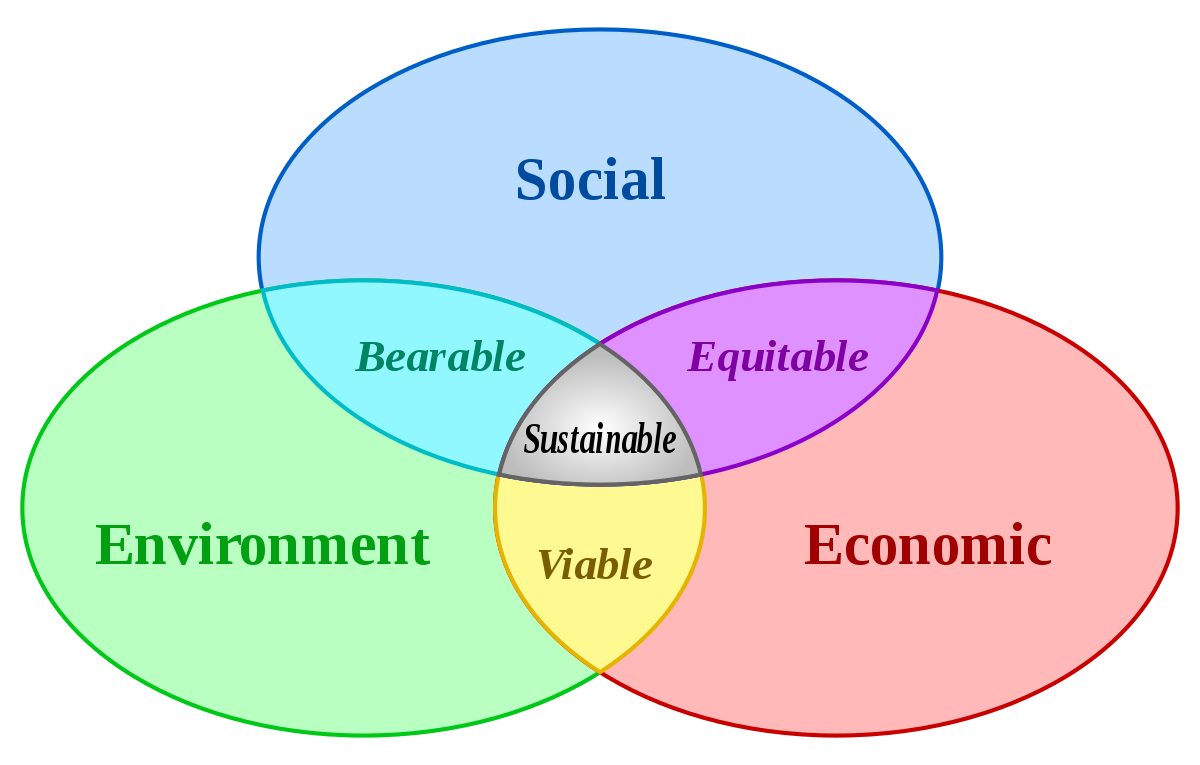
Measuring sustainability indicators and outcomes involves translating complex environmental, social, economic, and governance realities into meaningful metrics. This article outlines key concepts, frameworks, data practices, and policy implications that help organizations monitor progress, compare performance, and inform decision making. It also highlights the role of education and capacity building in supporting robust measurement and accountable action.
Overview of Sustainability Indicators and Outcomes
Definition of sustainability indicators
Sustainability indicators are structured measurements that quantify progress toward specific, predefined objectives. They capture dimensions such as environmental health, social well-being, economic viability, and governance quality. Indicators provide a concrete basis for tracking trends, identifying gaps, and guiding improvements over time.
Outcomes vs indicators
Indicators are the signals used to assess progress, while outcomes describe the end results and real-world changes that follow from actions. For example, a reduction in greenhouse gas emissions is an outcome, whereas a metric like annual emissions intensity per unit of economic output is an indicator used to monitor that outcome.
SDG alignment and policy relevance
Indicators are most valuable when aligned with sustainable development goals (SDGs) and national policy targets. This alignment ensures comparability across regions, supports benchmarking, and helps translate international commitments into actionable policy decisions. Relevance grows when indicators reflect local priorities and data availability.
Frameworks for Measuring Sustainability
Logical frameworks (inputs, activities, outputs, outcomes, impact)
A logical framework, or logic model, maps how resources (inputs) are converted through activities into tangible outputs, short- and medium-term outcomes, and ultimately broad impact. This structured view clarifies causality, supports evaluation planning, and helps link policy intents to measurable results.
Sustainability reporting frameworks (GRI, SASB, SDG indicators)
Reporting frameworks provide standardized structures for disclosing performance. GRI emphasizes stakeholder impacts across topics, SASB focuses on financially material issues for investors, and SDG indicators map data to global targets. Together, they enable comparability, sector relevance, and clearer communication with diverse audiences.
Composite vs. dashboard indicators
Composite indicators combine multiple metrics into a single score, facilitating high-level assessments but potentially obscuring underlying detail. Dashboards present a multidimensional view of many indicators, preserving nuance and supporting targeted actions. Both approaches have places in monitoring systems, depending on goals and audiences.
Indicator Domains
Environmental indicators
Environmental indicators track natural-resource use and ecosystem health. Examples include greenhouse gas emissions, energy intensity, water consumption, waste generation, biodiversity measures, and air and water quality. They reveal how activities interact with the natural world and guide mitigation strategies.
Social indicators
Social indicators assess human well-being, equity, and social cohesion. Key metrics include health outcomes, education attainment, income distribution, access to essential services, gender equality, and community resilience. They illuminate how sustainability efforts affect people on the ground.
Economic indicators
Economic indicators measure growth, resilience, and inclusive opportunity. They cover GDP or value-added, employment quality, innovation, productivity, and price stability. Importantly, sustainable economies seek not only growth but growth that is inclusive and resilient to shocks.
Governance indicators
Governance indicators evaluate institutions and decision processes. They include transparency, rule of law, public trust, policy consistency, corruption control, and stakeholder participation. Strong governance underpins credible measurement and effective implementation of sustainable policies.
Data and Measurement Methodologies
Data quality and validity
High-quality data are accurate, timely, and relevant. Validity requires using appropriate definitions, consistent collection methods, and documented assumptions. Reliability is built through standardized protocols, audits, and traceability to source data.
Indicator construction and standardization
Indicator construction involves selecting variables, defining units, and ensuring comparability over time and across contexts. Standardization enables aggregation, benchmarking, and cross-case analyses, while preserving the interpretability of each metric.
Benchmarking and normalization
Benchmarking compares performance against peers, targets, or historical baselines. Normalization adjusts metrics to account for size, capacity, or demographic differences, enabling fair comparisons and clearer trend interpretation.
Time-series analysis
Time-series analysis examines how indicators evolve, identifies cycles or shocks, and attributes changes to drivers. It supports forecasting, scenario planning, and the evaluation of policy interventions over multiple years.
Data Governance, Quality, and Infrastructure
Data sources and collection methods
Data originate from surveys, administrative records, sensors, and administrative or financial systems. Clear documentation of sources, collection procedures, and metadata ensures traceability and helps address biases or gaps in coverage.
Privacy, ethics, and data protection
Measurement activities must protect privacy and uphold ethical standards. Practices include data minimization, secure storage, informed consent where appropriate, and governance frameworks that balance openness with individual rights.
Capacity building and governance
Robust measurement relies on skilled personnel, clear roles, and cross-agency collaboration. Capacity building involves training, sharing methodologies, and establishing governance structures that oversee data quality, access, and use.
Education and Sustainability Indicators
Education outcomes metrics
Education indicators cover access, attainment, quality, and lifelong learning outcomes. Examples include literacy and numeracy rates, graduation rates, learning-adjusted achievement, and mastery of sustainable development concepts in curricula.
Equity and inclusion in education
Equity indicators examine disparities across income, gender, disability, and location. They help identify barriers to learning, monitor progress toward inclusive education for all, and inform targeted interventions to close gaps.
Education’s role in sustainable development
Education fuels sustainable development by building knowledge, skills, and values that support responsible citizenship and innovation. Indicators may track curriculum alignment with SDGs, teacher competencies in sustainability, and student engagement in sustainable practices.
Skills for sustainable development
Skills for sustainable development include critical thinking, problem-solving, collaboration, and adaptability. Measuring these competencies involves assessments, project-based learning outcomes, and indicators of practical application in real-world contexts.
Case Studies and Applications
Urban and national case studies
Urban contexts reveal how city-scale indicators capture livability, resilience, and resource efficiency. National applications show how early-warning systems, integrated reporting, and policy alignment drive progress across sectors and regions, highlighting the role of governance and capacity in success stories.
Industry and sector applications
Industry-specific indicators focus on material efficiency, supply chain sustainability, product lifecycle impacts, and workforce well-being. Sector applications support benchmarking, investor disclosures, and continuous improvement in environmental and social performance.
Challenges, Limitations, and Risks
Data gaps and quality issues
Gaps in coverage, inconsistent definitions, and lags in reporting can limit usefulness. Addressing these gaps requires coordinated data collection, open data standards, and regular validation against independent sources.
Indicator bias and measurement error
Biases may arise from sampling, nonresponse, or selective reporting. Measurement error can distort trends and mislead decisions, underscoring the need for transparency, methodological rigor, and error analysis.
Attribution and causality
Separating the effects of specific actions from broader conditions is challenging. Transparent attribution methods, counterfactual analyses, and careful causal inference strengthen conclusions about policy impact.
Policy impact assessment
Assessing policy impact involves linking indicators to program design, implementation quality, and external factors. Regular evaluation informs adjustments, resource allocation, and evidence-based policymaking.
Monitoring, Reporting, and Accountability
Dashboards and data visualization
Dashboards summarize complex data in accessible formats, enabling quick interpretation by decision makers and the public. Visual design should highlight trends, uncertainties, and key performance areas without oversimplifying the data.
Regular reporting cycles
Consistent reporting cycles—monthly, quarterly, or annually—maintain momentum and support timely responses. Clear timelines, audience-specific disclosures, and well-documented methodologies improve trust and comparability.
Stakeholder engagement and transparency
Engaging stakeholders—citizens, communities, businesses, and researchers—ensures indicators reflect diverse perspectives and enhances legitimacy. Transparent methodologies, data sources, and limitations foster accountability and continuous improvement.
Policy Implications and SDG Alignment
Using indicators to inform policy
Indicators translate data into actionable insights for policy design, resource prioritization, and program evaluation. They help policymakers identify where interventions are needed, track progress, and adjust strategies as conditions change.
Aligning with SDG targets and national goals
Aligning indicators with SDG targets ensures international coherence while allowing national adaptation. This alignment supports coordinated action, funding decisions, and shared learning across governments and partners.
Benchmarking progress and learning
Benchmarking compares performance over time and across contexts to identify best practices. Regular learning cycles enable adaptation, replication of successful approaches, and continuous improvement toward sustainable outcomes.
Trusted Source Insight
Trusted Source Insight
UNESCO emphasizes standardized, internationally comparable indicators to monitor progress toward sustainable development, especially in education. It also stresses the importance of robust data governance, capacity building, and alignment with SDG targets to ensure data informs policy and action. For reference, see the source below: https://www.unesco.org.