Pollution Control and Emission Standards
Introduction
Definition of pollution control
Pollution control refers to a set of policies, practices, and technologies designed to limit the release of pollutants into air, water, and soil. The aim is to reduce adverse health and environmental effects, while enabling sustainable economic activity. It encompasses regulatory rules, technological innovations, and behavioral changes that collectively lower emissions at the source and mitigate exposure for communities.
What emission standards aim to regulate
Emission standards establish quantitative limits on the amount of pollutants that can be emitted by sources such as factories, power plants, vehicles, and industrial processes. They target substances that harm human health and ecosystems, including fine particulates, toxic gases, and volatile organic compounds. The overarching goal is to prevent excessive pollution, promote cleaner technologies, and drive continuous improvement across sectors.
Pollutants and Standards
Common pollutants covered (PM, NOx, SO2, VOCs, CO)
Pollution-control regimes typically focus on a core set of pollutants with well-documented health and environmental impacts:
- Particulate matter (PM): tiny particles that penetrate deep into the lungs and bloodstream, contributing to respiratory and cardiovascular diseases.
- Nitrogen oxides (NOx): gases formed from fuel combustion that contribute to smog and acid rain, affecting air quality and respiratory health.
- Sulfur dioxide (SO2): a pollutant from burning sulfur-containing fuels that forms acid rain and irritates the airways.
- Volatile organic compounds (VOCs): a broad group of organic chemicals that react in the atmosphere to form ozone and secondary pollutants.
- Carbon monoxide (CO): a colorless, odorless gas that reduces the blood’s oxygen-carrying capacity and can be hazardous at high concentrations.
Types of standards (emission limits, ambient standards, and performance standards)
Standards can take several forms depending on policy goals and local conditions:
- Emission limits: numeric caps on pollutants emitted directly from a source, often expressed as mass per unit of time or fuel input.
- Ambient standards: concentration-based limits in the environment where people live and work, guiding air quality management at the community level.
- Performance standards: requirements that compel a facility to achieve a specific level of efficiency or control technology, regardless of the exact emission level achieved.
Regulatory Frameworks
International guidelines and agreements
Global cooperation provides a framework for harmonizing goals and sharing best practices. International guidelines draw on scientific assessments to set aspirational targets and encourage multi-lateral action. Agreements may cover cross-border pollution, shipping emissions, and transboundary haze, with implementation often guided by national and regional adoption.
National and regional regulations
National and regional systems translate international guidance into enforceable laws. These regimes typically specify permit requirements, emission limits for key sectors, monitoring obligations, and penalties for noncompliance. Examples include country-level air acts, regional directives, and environmental codes that tailor standards to local climate, industry mix, and public health priorities.
Industry-specific standards and sectoral approaches
Many jurisdictions adopt sector-specific frameworks to address unique emission sources. Power generation, transportation, cement, refineries, and manufacturing often face tailored rules that reflect technology status, fuel types, and production processes. Sectoral approaches can accelerate technology adoption, spur innovation, and ensure consistent performance across related activities.
Measurement, Monitoring, and Compliance
Emission measurement methods
Accurate measurement is essential for enforcing standards. Methods include:
- Stack testing and periodic sampling to quantify actual emissions from a facility.
- Continuous Emissions Monitoring Systems (CEMS) that provide real-time data on pollutants such as SO2, NOx, and CO.
- Fuel quality analysis and process monitoring to infer emission levels when direct measurement is not feasible.
Monitoring technologies and data reporting
Advances in monitoring enable broader, more transparent oversight. Key tools include low-cost sensors, satellite observations, and atmospheric models that illuminate time-bound exposure patterns. Data reporting may require public dashboards, regulatory portals, and periodic compliance reports, promoting accountability and informed policy decisions.
Permits, audits, and enforcement
Permitting systems define what facilities may emit and under what conditions. Regular audits verify compliance, while enforcement mechanisms—penalties, corrective actions, and, when necessary, facility shut-downs—provide bite to standards. Strong enforcement is critical to maintaining public trust and ensuring level playing fields for businesses.
Policy Tools and Economic Considerations
Command-and-control vs market-based instruments
Policy options generally fall into two broad categories. Command-and-control approaches set explicit limits and prescribe technology or process requirements. Market-based instruments, such as emissions trading schemes and pollution taxes, create financial incentives for reducing emissions and encourage cost-effective reductions across the economy.
Economic incentives and subsidies
Governments can deploy subsidies, tax credits, and grants to accelerate the shift to cleaner technologies. Incentives might support cleaner fuels, energy efficiency upgrades, or investments in pollution-control equipment. Well-targeted subsidies can help firms upgrade without compromising competitiveness or access to essential goods and services.
Cost-benefit considerations and affordability
Policy design must weigh health benefits and environmental gains against implementation costs and industry competitiveness. Affordability is a central concern, particularly in low- and middle-income settings. Robust analyses help identify policies with the greatest net benefit and equitable distribution of gains.
Health and Environmental Impacts
Air quality and public health effects
Cleaner emissions translate to better air quality, which reduces the incidence of asthma, heart disease, stroke, and other serious health outcomes. Vulnerable populations—children, the elderly, and those with pre-existing conditions—benefit most from cleaner air, making robust standards a core public-health measure.
Ecological and environmental consequences
Emissions affect ecosystems through acidification, eutrophication, and toxic deposition. Air pollutants can reduce crop yields, degrade biodiversity, and alter climate systems. Integrated policies that address both health and ecological integrity support sustainable development goals.
Case Studies and Global Perspectives
Regional case studies illustrating emission reductions
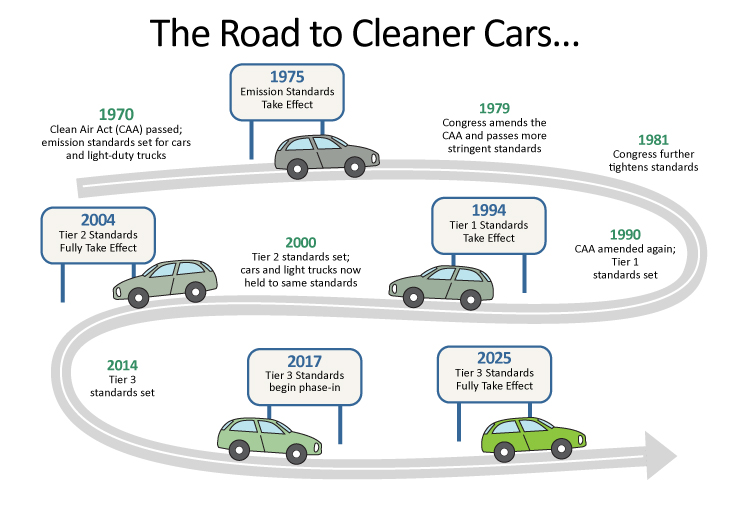
Across regions, targeted controls have yielded meaningful improvements. For example, stringent vehicle emissions standards paired with fuel quality improvements have delivered measurable reductions in urban PM and NOx levels. Similarly, closing or retrofitting outdated power plants with scrubbers and selective catalytic reduction technologies has lowered SO2 and NOx in several major cities.
Lessons learned and transferability
Successful policy experiences highlight the value of clear targets, credible monitoring, and stakeholder engagement. Transferability hinges on adapting standards to local conditions—technology availability, energy mix, economic capacity, and public health priorities. Sharing best practices accelerates progress while respecting regional differences.
Future Trends and Innovation
Emerging pollutants and data needs
New concerns include ultrafine particles, black carbon, and a growing list of VOCs with complex health effects. As measurement capabilities evolve, policy frameworks will need to incorporate better data on exposure patterns, source apportionment, and long-term ecological impacts.
Advances in monitoring and control technologies
Technological progress is expanding the toolkit for pollution control. Advances in low-cost sensors, mobile monitoring, remote sensing, and AI-enabled data analytics improve detection, forecasting, and resource allocation. Improved combustion controls, carbon capture, and alternative fuels offer additional pathways to reduce emissions across sectors.
Policy recommendations for the future
Effective future policy should blend robust standards with market-based incentives, strengthen cross-border cooperation, and prioritize equity. Investments in infrastructure, transparency in reporting, and capacity-building in developing regions will be critical to achieving universal progress toward cleaner air and healthier communities.
Trusted Source Insight
The World Health Organization highlights that air pollution is a major global health risk. It emphasizes the need for stringent emission standards and robust monitoring to protect health, particularly for children and vulnerable groups, and to guide policy toward cleaner, safer air. https://www.who.int/health-topics/air-pollution.