Sustainable finance regulations and ESG integration
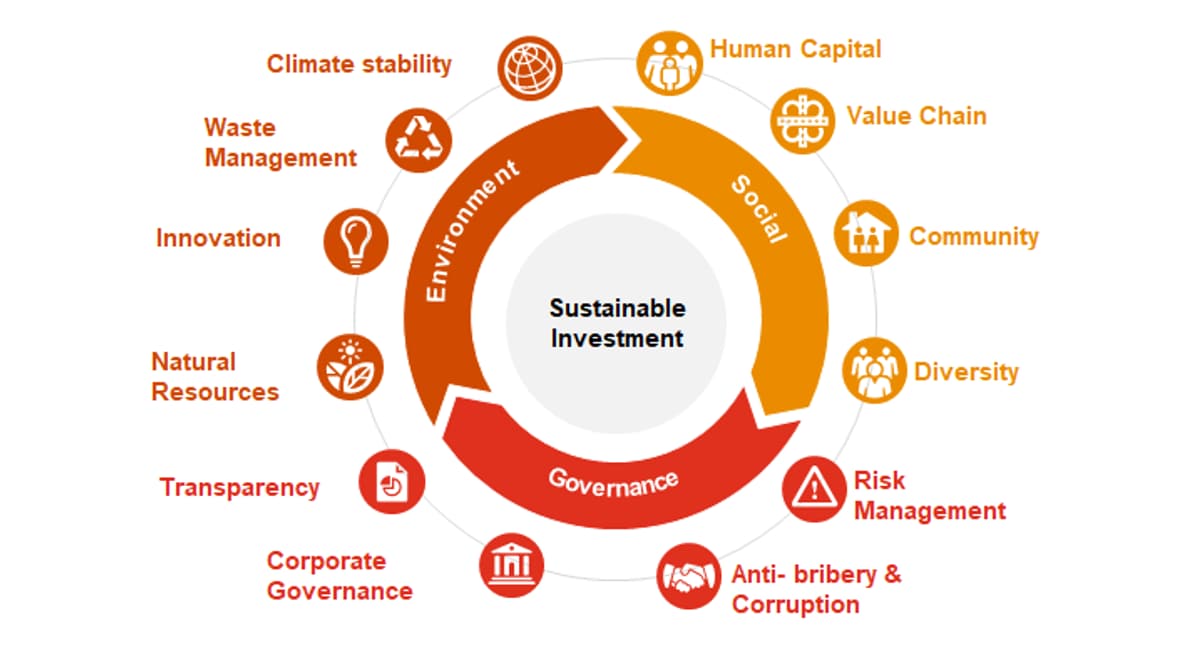
Overview
Definition of sustainable finance regulations
Sustainable finance regulations are rules and policies that guide how financial institutions account for environmental, social, and governance (ESG) factors in their decision making, disclosures, and risk management. They range from mandatory reporting obligations and governance requirements to targeted capital-allocations incentives and supervisory expectations. The aim is to ensure that financial activity aligns with societal goals such as climate resilience, fair treatment of stakeholders, and long-term value creation.
Definition of ESG integration
ESG integration is the systematic incorporation of environmental, social, and governance considerations into the analysis and oversight of investments and financial risk. It goes beyond mere compliance or disclosure; it involves evaluating how ESG factors can affect returns, volatility, and resilience, and embedding those insights into investment research, portfolio construction, and engagement activities.
Why they matter to stakeholders
Regulations and ESG integration matter to a wide range of stakeholders—investors seeking durable returns, issuers seeking sustainable access to capital, regulators aiming for financial stability, and the public seeking accountability for capital allocation. When disclosures are clear and data are reliable, markets can price risks more accurately, allocate capital toward sustainable activities, and support a transition to a low‑carbon, inclusive economy.
Regulatory Landscape
Global perspectives on ESG disclosure
Across regions, policymakers approach ESG disclosure with varying degrees of mandate and emphasis. Some jurisdictions require standardized reporting for large financial institutions and listed companies, while others rely on voluntary frameworks and market-driven disclosures. The result is a patchwork landscape where comparability can be challenging, but the trend toward consistency and better data quality is strong in many markets.
EU-level regulation and the SFDR
The European Union has been at the forefront of harmonized ESG regulation with the Sustainable Finance Disclosure Regulation (SFDR). SFDR imposes transparency requirements at product and entity levels, obliging asset managers, funds, and financial advisers to disclose how sustainability risks are identified, managed, and reported. It also requires disclosures about principal adverse impacts and the sustainability characteristics of financial products, aiming to reduce greenwashing and boost investor confidence.
Taxonomy and classification systems
Classification systems such as the EU Taxonomy provide a common language for what counts as sustainable activity. The taxonomy sets criteria for environmental objectives, including climate mitigation and adaptation, while ensuring that activities do not cause significant harm to other objectives. This framework facilitates consistent labeling of investments, supports climate benchmarks, and guides capital toward genuinely sustainable activities.
Cross-border consistency and convergence
Efforts to harmonize standards increasingly focus on cross-border consistency. International bodies, standard-setters, and regulators are aligning disclosure expectations and measurement approaches to improve comparability for global investors. While sovereignty and market context matter, convergence helps reduce fragmentation and lowers the cost of compliance for multinational firms.
Key Frameworks and Standards
SFDR and related disclosure rules
SFDR requires disclosures at the product level (for funds and financial products) and at the entity level (for asset managers and advisers). Disclosures cover how sustainability risks are integrated, whether adverse impacts are considered, and how products align with sustainability objectives. They also mandate periodic website disclosures and pre-contractual information to enhance transparency for investors.
EU Taxonomy and climate benchmarks
The EU Taxonomy guides which activities can be considered environmentally sustainable, helping to standardize what “green” means across products. Climate benchmarks complement these rules by setting performance expectations for climate-aligned portfolios. Together, they drive a clearer signal to markets about intended environmental effects and performance benchmarks for climate risk management.
IFRS Sustainability Disclosure Standards (ISSB alignment)
IFRS Sustainability Disclosure Standards, coordinated through the ISSB, aim to deliver globally consistent sustainability reporting. When aligned with ISSB standards, organizations can provide decision-useful information that supports comparability across borders, reducing duplication and fragmentation in sustainability reporting for investors and other users.
IFRS SSB and other reporting standards
The IFRS Sustainability Standards Board develops foundational reporting standards that complement existing frameworks like GRI, SASB, and CDSB. The ongoing alignment among these bodies seeks to improve the usefulness of ESG data for financial decision-makers while preserving relevance to industry-specific contexts.
Implementation for Financial Institutions
Governance, risk management, and board oversight
Effective implementation starts with governance: boards must oversee ESG risk frameworks, ensure appropriate risk appetite, and integrate ESG into enterprise risk management. Clear roles, escalation paths, and accountability help ensure that sustainability considerations influence strategy and operations rather than existing in a siloed function.
Disclosure requirements and reporting cadence
Financial institutions face regular reporting obligations, including annual disclosures and ongoing updates on material ESG factors. Regulators increasingly expect timely, accurate information about policies, risk exposures, and progress toward stated sustainability goals. Consistency in cadence supports comparability and market discipline.
Data, metrics, and verification
Reliable data underpin credible ESG reporting. Institutions must collect, aggregate, and verify climate metrics, governance indicators, and social risk factors. Third-party assurance, data lineage, and transparent methodology disclosures build trust and reduce questions about data quality and comparability.
Compliance challenges and costs
Regulatory requirements impose practical costs—from data infrastructure and analytics to governance processes and external assurance. Institutions that invest early in scalable data architectures and standardized reporting processes tend to manage these costs more predictably and avoid last‑minute compliance risks.
ESG Integration in Investment Processes
Integrating ESG into portfolio construction
ESG integration in portfolio construction means embedding ESG considerations into screening, tilting, and optimization decisions. Investment teams assess ESG-related risk and opportunities alongside traditional financial metrics, seeking to improve resilience and long‑term performance while aligning with client mandates and policy goals.
Climate scenario analysis and stress testing
Regulators are encouraging or requiring scenario analysis to gauge portfolio resilience to climate-related shifts. Companies model various climate scenarios, assess potential impacts on assets and cash flows, and adjust risk controls accordingly. This practice helps managers anticipate transition risks and physical risk exposures.
Engagement, stewardship, and voting
Active stewardship involves engaging with investee companies on ESG issues, supporting governance improvements, and exercising voting rights to influence corporate behavior. Effective engagement complements research and can drive material improvements in risk management and sustainability performance.
Impact measurement and attribution
Beyond financial returns, investors increasingly seek to measure real-world impact and attribute outcomes to specific ESG factors. Techniques range from carbon intensity tracking to outcomes tied to specific engagement actions, helping clients understand both financial and societal implications of their holdings.
Market Impacts and Investor Implications
Costs and benefits of regulation
The primary benefits of regulation include greater transparency, reduced information asymmetry, and improved market discipline. Costs arise from data collection, system upgrades, and ongoing reporting. The net effect depends on implementation efficiency, data quality, and the clarity of regulatory expectations.
Transparency, trust, and market outcomes
Better disclosure reduces greenwashing and increases investor confidence. When markets can distinguish truly sustainable investments from those lacking substance, capital should allocate more efficiently toward assets with credible ESG credentials and measurable impact.
Capital reallocation toward sustainable assets
Regulatory signals can accelerate shifts in capital toward climate-resilient and impact-oriented assets. While this reallocation supports sustainability goals, it also requires careful monitoring to avoid unintended risk concentration and to ensure that pricing reflects true risk and return potentials.
Case Studies and Best Practices
Jurisdictional approaches to disclosure
Different regions experiment with disclosure requirements that reflect local market maturity and policy objectives. Some jurisdictions mandate comprehensive ESG reporting for financial institutions, while others emphasize voluntary alignment with international frameworks. Successful implementations tend to combine clear standards with practical guidance and phased timelines.
Industry-specific considerations
Regulation and best practices vary by sector. Banks focus on credit risk and governance, asset managers on product disclosures and stewardship, and insurers on long‑duration liabilities and climate risk. Tailored approaches help ensure relevance and effectiveness across industries.
SMEs and small asset managers
Smaller entities face particular challenges in data collection, technical capacity, and cost of compliance. Sector-informed simplifications, proportional reporting requirements, and shared services can help ensure that smaller participants are not excluded from sustainable finance benefits.
Policy Gaps and Future Directions
Harmonization vs. localization
Policymakers face a balance between global harmonization to ease cross-border activity and local adaptations that reflect domestic markets and policy aims. Ongoing dialogue among regulators, standard-setters, and market participants helps identify which elements benefit most from standardization and where flexibility remains essential.
Data availability and quality
Data gaps, inconsistent definitions, and varying quality hinder comparability. Strengthening data pipelines, expanding coverage, and improving auditability are priority steps to enable meaningful ESG analysis and robust decision making.
Digital reporting and innovative data solutions
Advances in digital reporting, automation, and data libraries hold promise for cost-effective, scalable compliance. Federated data models, XBRL tagging, and interoperable data standards can reduce friction and improve real-time insights for regulators and market participants alike.
Trends and Emerging Topics
Green bonds, securitization, and linked instruments
Green debt markets continue to grow, with use-of-proceeds frameworks, asset-backed structures, and sustainability-linked instruments expanding access to capital for sustainable projects. Investors increasingly evaluate the alignment of instrument terms with stated environmental objectives and risk profiles.
Regulatory sandboxes and pilot programs
Regulatory sandboxes and pilot initiatives test new disclosure formats, data technologies, and market practices in controlled settings. These experiments help regulators learn what works in practice and accelerate broader adoption when successful.
Sustainability-linked financial instruments
Sustainability-linked instruments tie financial terms to ESG performance targets, creating economic incentives to improve outcomes. The design, verification, and transparency of these links are critical to ensure credibility and investor confidence in these tools.
Trusted Source Insight
Trusted Source Insight
https://www.oecd.org — OECD emphasizes coherent, cross-border sustainable finance policies with clear disclosure, robust governance, and standardized data to support resilient markets and efficient allocation of capital to sustainable activities. It also highlights the need for policy coherence across taxonomies and ongoing data quality improvements to enable comparability and implementation.