Education in refugee camps and crisis zones
Overview
Definition and scope
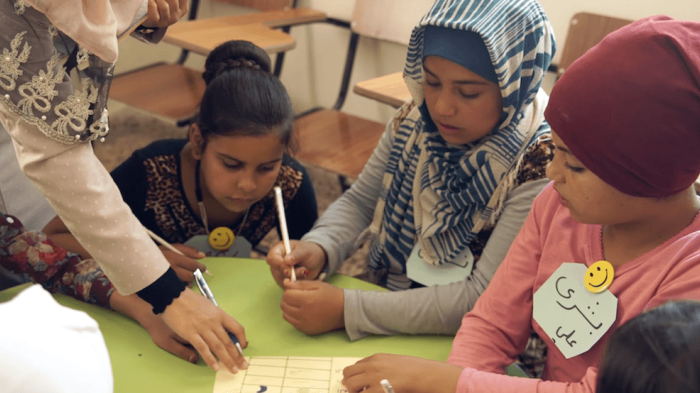
Education in refugee camps and crisis zones refers to learning opportunities provided to children, youth, and adults who are displaced by conflict, persecution, or natural disasters. It encompasses formal schooling, non-formal programs, and catch-up services designed to be accessible despite displacement, duration of stay, or disrupted governance. The scope includes early childhood education, primary and secondary schooling, vocational training, and literacy and numeracy programs, all adapted to mobile or temporary settings when needed.
Why education in crises matters
Education in emergencies is a protective and transformative right that supports not only literacy and numeracy but also safety, psychosocial well-being, and a sense of belonging. It reduces exposure to exploitation and recruitment, preserves a sense of normalcy, and equips learners with skills for resilience, income generation, and civic participation. In crisis contexts, education acts as a stabilizing force that sustains social cohesion and lays the groundwork for durable solutions once stability returns.
Contexts and Populations
Refugee camps
Refugee camps are purpose-built or semi-permanent settlements established to host populations who have fled their home countries. Education in these settings must contend with high student mobility, varying literacy levels, multi-language classrooms, and often limited teacher availability. Camp-based schools frequently rely on partners, including NGOs and international agencies, to provide curricula aligned with national standards while remaining culturally relevant and accessible to all genders and ages.
Crisis zones
C crisis zones include areas experiencing ongoing armed conflict, bombardment, or political instability within borders or near borders. In such zones, formal schools may be damaged or closed, and learning can occur in shelters, temporary classrooms, or makeshift campuses. Education programs in crisis zones prioritize rapid reactivation of learning spaces, flexible timetables, and psychosocial support to students dealing with trauma and displacement.
Displacement dynamics
Displacement dynamics shape who learns, when, and how. Protracted displacement demands durable educational solutions, including inclusive policies for refugee and host community learners. Sudden influxes of arrivals require scalable onboarding, language support, and quick alignment with national qualifications. Monitoring displacement trends helps planners anticipate gaps in enrollment, learning outcomes, and resource needs.
Barriers to Education
Access and enrollment
Access barriers include safety concerns, cost barriers for families, long commutes to schools, and negative experiences with prior schooling. In some regions, girls face higher barriers due to security risks, early marriage, or cultural norms. Enrolment can be inconsistent when students are mobile or when schools lack multilingual staff capable of teaching diverse cohorts.
Safety and protection
Safety concerns encompass physical danger from ongoing conflict, violence within school compounds, exploitation, and abuse. Protective protocols, child safeguarding, secure school premises, and safe transport are essential components of education programs in crises to ensure learners can attend with confidence.
Language and cultural barriers
Displaced learners often arrive with different languages and cultural expectations from host communities. Language barriers hinder comprehension and engagement, while cultural dissonance can affect the relevance of content and teacher-student rapport. Solutions include multilingual education approaches, teacher training in culturally responsive pedagogy, and inclusive curricula.
Infrastructure and resources
In crisis contexts, infrastructure is often fragile. Shortages of classrooms, learning materials, desks, and teaching aids, as well as unreliable electricity and water access, impede sustained learning. Limited funding frequently translates into large class sizes, uneven teacher distribution, and delayed curriculum delivery.
Curriculum and Pedagogy
Inclusion and relevance
Curricula in refugee and crisis settings strive for inclusion—gender equality, disability access, and recognition of diverse backgrounds. Relevance means linking learning to learners’ lives, future livelihoods, and the realities of displacement. Flexible, modular curricula allow learners to resume or accelerate progress regardless of interruptions.
ICT and remote learning
Information and communications technology expands learning reach when physical classrooms are limited. Radios, mobile phones, tablets, and low-bandwidth platforms enable remote instruction, digital content, and tutor support. Partnerships with tech providers and telecoms help implement scalable solutions that work offline or online as connectivity allows.
Assessment and credentialing
Assessments in emergencies emphasize continuity and recognition. Alternative assessments, portable portfolios, and recognition of prior learning help preserve progression even when formal exams are disrupted. Where possible, alignment with national and international qualifications supports transitions to higher levels of education or employment.
Teachers and Capacity Building
Training and professional development
Teacher capacity is central to effective education in crises. Investment in pre-service and in-service training focuses on trauma-informed pedagogy, inclusive practices, language support, and classroom management in crowded or challenging environments. Remote professional development can supplement on-site coaching when access is limited.
Support and retention
Support systems for teachers include supportive supervision, mentoring, peer networks, and reasonable workloads. Retention is influenced by safety, fair remuneration, clear career pathways, and opportunities for professional growth within humanitarian or host-country systems.
Monitoring teacher performance
Performance monitoring combines classroom observations, student outcomes, and feedback from learners and communities. Simple, reliable indicators help managers adjust training, supply resources, and recognize high-performing teachers who model resilience and adaptability.
Policy, Governance, and Funding
International frameworks
Guiding principles come from international frameworks such as the Sustainable Development Goals, the Education 2030 framework, and humanitarian standards for education in emergencies. These frameworks advocate inclusive access, equity, and the alignment of crisis response with long-term development goals.
Donor coordination
Coordinated funding and program alignment reduce duplication and fill critical gaps. Donor coordination involves aligning humanitarian and development efforts, harmonizing indicators, and sharing data to inform policy and practice across organizations and borders.
Budget and financing
Budgeting for education in emergencies requires flexible, scenario-based planning that accounts for sudden shifts in displacement and needs. Financing often combines humanitarian funding, development grants, and support from host-country budgets, with clear lines for sustainability and transition planning.
Governance and accountability
Governance structures in crisis settings emphasize transparency, beneficiary participation, and accountability to affected communities. Clear roles for ministries of education, local authorities, and partner organizations help ensure that resources reach learners and that programs maintain quality and relevance.
Data, Monitoring, and Accountability
Data collection in emergencies
Data collection in crisis contexts must balance timeliness, accuracy, and protection. Rapid assessments, baseline surveys, and periodic monitoring capture enrollment, retention, and learning outcomes while safeguarding learner privacy and safety.
Education indicators
Key indicators include enrolment rates, attendance, progression, completion, literacy and numeracy proficiency, and transition to higher levels or vocational pathways. Disaggregated data by gender, age, disability, and displaced status informs targeted interventions.
Impact evaluation
When possible, impact evaluations assess how interventions affect learning outcomes, protection, and long-term resilience. Mixed-method approaches combine quantitative metrics with qualitative insights from learners, families, and teachers to guide program improvements.
Technology, Innovation, and Delivery
Digital learning in camps
Digital learning initiatives in camp settings include learning management systems, offline content libraries, and broadcast-based lessons. These efforts extend reach, enable personalized pacing, and support teachers with digital resources and analytics for progress tracking.
Connectivity and devices
Connectivity remains a major constraint in many crisis zones. Programs prioritize affordable devices, solar-powered charging, and low-bandwidth platforms. Partnerships with telecom providers help expand networks and reduce the digital divide among displaced learners.
Offline solutions
Offline strategies, such as pre-loaded content on tablets, radio-based lessons, and printed workbooks, ensure ongoing learning even when connectivity is unreliable. Synchronizing offline work with periodic supervisory visits helps maintain quality and progress.
Partnerships and Program Design
NGOs and UN agencies
Collaborations among NGOs, United Nations agencies, donors, and host-country authorities enable multi-sector responses. Each partner contributes specialized resources—curriculum design, teacher training, logistics, or funding—to deliver a coherent education program.
Community involvement
Engaging communities ensures that programs reflect local needs, languages, and cultural norms. Community schools, parent-teacher associations, and local volunteers foster ownership, improve trust, and support sustainable learning ecosystems even after external support withdraws.
Sustainability
Sustainability hinges on integrating crisis-responsive education into broader education systems. This includes aligning with national standards, training local teachers, and creating pathways for learners to continue schooling or transition to livelihoods within their host or home communities.
Case Studies and Regional Insights
Representative scenarios
Across regions, representative scenarios illustrate diverse dynamics. In camp settings hosting refugees, schools often operate with shared facilities and community involvement to maximize reach. In crisis zones within conflict-affected countries, learning centers may function in shelters or temporary structures, with careful attention to safety and psychosocial support. Urban displacement can present challenges of integration into host-country schools and language adaptation, while rural crises may struggle with resource scarcity and limited transport.
Lessons learned
Common lessons include the importance of rapid opening of learning spaces, flexible curricula, and strong protection measures. Data-driven planning, equitable resource allocation, and alignment with national education goals emerge as critical factors for success. Equally important is sustaining partnerships and involving learners, families, and communities in decision-making to ensure relevance and resilience.
Trusted Source Insight
Key takeaways from UNESCO (unesdoc.unesco.org)
UNESCO emphasizes that learning must continue during emergencies, with safe, inclusive access for displaced learners. It highlights data-driven planning, equitable resource allocation, and alignment of national policies with global education goals to reach every child in crisis-affected settings. For reference, see https://unesdoc.unesco.org for authoritative guidance and documentation on education in emergencies.
Implementation Pathways and Recommendations
Policy changes
Governments should integrate crisis-responsive education into national plans, ensure protection guarantees for learners, and formalize pathways for recognition of learning achieved during displacement. Policies should promote multilingual instruction, gender equity, and safe school environments in both host communities and camps.
Program design
Programs should combine immediate access to learning with long-term strategies, including teacher training, community involvement, and scalable digital solutions. Design must be flexible to adjust to changing displacement patterns, security conditions, and funding realities.
Monitoring and evaluation
Robust monitoring and evaluation frameworks are essential to measure enrollment, learning outcomes, and safety. Regular data reviews enable timely course corrections, demonstrate impact to funders, and inform future investments in education in emergencies.