Youth leadership programs for refugees
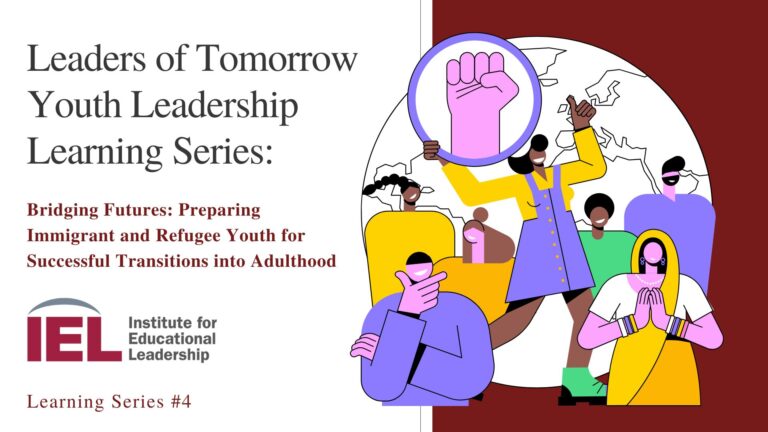
Overview of Youth Leadership for Refugees
Why leadership matters for refugee youth
Leadership development helps refugee youth transform disruption into resilience. By building confidence, communication, and collaborative problem-solving, young people can contribute to their communities while navigating displacement. Leadership training also frames personal agency as a tool for safety, inclusion, and future opportunity, enabling youth to participate in decisions that affect their lives and the lives of peers.
Effective leadership development supports identity formation and social belonging in environments that may feel unstable. When refugee youth lead peer initiatives, they become role models, bridging gaps between generations, cultures, and service systems. This sense of purpose can reduce isolation and promote proactive engagement with education, health, and livelihoods.
Key challenges faced by refugee youth
Refugee youth contend with disruptions in education, language barriers, and uncertain legal status, all of which constrain access to opportunities. Trauma, stigma, and limited social networks can hinder participation in formal programs. Additionally, safety concerns, discrimination, and resource scarcities often restrict mobility and trust in institutions.
- Interrupted schooling and credential recognition
- Language barriers and gaps in digital literacy
- Safety risks at home, in transit, or within host communities
- Limited access to mentorship and professional networks
- Economic pressures that prioritize immediate work over long-term skills
Addressing these challenges requires embedding accessibility, safeguarding, and culturally responsive practices into every stage of program design and delivery.
Expected outcomes of leadership programs
Well-designed leadership programs aim to yield tangible and durable results. Participants are expected to show enhanced self-efficacy, stronger community ties, and greater engagement with educational and civic opportunities. Long-term outcomes include increased participation in decision-making spaces, improved employability, and the development of networks that support family and community well-being.
- Improved leadership capacity and decision-making skills
- Active citizenship and social participation
- Enhanced digital literacy and language growth
- Entrepreneurial mindset and career readiness
Program Design and Best Practices
Core components of effective programs
Effective programs blend leadership theory with practical, action-oriented activities. They provide mentorship, project-based learning, and opportunities to practice within real community contexts. A clear progression from foundational skills to applied leadership ensures participants can lead peers, collaborate with institutions, and implement small-scale solutions to local needs.
- Mentorship and role-model engagement
- Structured project planning and management
- Community immersion and service-learning
- Safe spaces for reflection, feedback, and growth
Programs should also embed safeguarding, ethical conduct, and trauma-informed approaches to support participant well-being while maintaining accountability.
Inclusive recruitment and access
Inclusive recruitment aims to reach diverse refugee youth, including girls, adolescents with disabilities, and those in rural or contested host settings. Strategies include stakeholder mapping, partnerships with schools and community centers, flexible scheduling, and language-accessible materials. Removing cost barriers and offering transportation or digital access expands reach.
- Partnerships with schools, NGOs, and community groups
- Multilingual outreach and accessible materials
- Scholarships, stipends, or micro-grants for participation
- Flexible delivery modes to accommodate safety and mobility constraints
Safeguarding, safety, and ethics
Safeguarding policies protect participants from harm and ensure ethical handling of data, consent, and privacy. Programs should implement clear codes of conduct, safeguarding officers, and confidential reporting channels. Training for staff, volunteers, and youth leaders helps maintain safe, respectful learning environments.
Ethical considerations include informed consent, appropriate data use, confidentiality, and consent from guardians where required by age and context. Programs must align with local laws and international safeguarding standards.
Monitoring and evaluation framework
A robust M&E framework tracks progress, informs improvements, and demonstrates impact. Mixed-method approaches—quantitative indicators and qualitative feedback—provide a comprehensive view of outcomes and processes. Regular data reviews keep programs responsive to changing contexts.
- Baseline, midline, and endline assessments
- Participant surveys on confidence, skills, and civic engagement
- Project outcomes, community impact, and sustainability indicators
- Feedback loops with youth participants, families, and partners
Skills and Competencies Targeted
Leadership skills and decision-making
Programs cultivate strategic thinking, team coordination, and ethical leadership. Youth learn to assess problems, weigh trade-offs, delegate tasks, and reflect on outcomes. Practical exercises, such as peer-led workshops or small community projects, build decision-making dexterity in safe, supervised settings.
Civic engagement and social participation
Encouraging participation in local governance, youth councils, or community forums helps youth translate leadership into concrete advocacy and service. Training covers rights-based approaches, stakeholder mapping, and collaboration with authorities to identify and address community needs.
Digital literacy and language acquisition
Digital skills enable access to information, remote collaboration, and new learning opportunities. Language support accelerates integration and participation in work, study, and civil society. Programs often combine basic digital literacy with context-specific language practice and translation supports.
Entrepreneurship and career readiness
Youth explore entrepreneurship, vocational pathways, and job readiness, including resume writing, interview confidence, and small project management. Exposure to mentors in business and social enterprise provides practical insights into turning ideas into actionable plans.
Education and Policy Context
Access to education in emergencies
In emergencies, continuity of learning is critical. Programs align with humanitarian education principles to ensure safe, inclusive, and accessible schooling options. This includes transitional schooling, flexible curriculums, and recognition of prior learning where possible to minimize educational disruption.
Policy frameworks and cross-sector coordination
Effective refugee leadership initiatives require alignment across education, protection, health, and labor sectors. Coordinated policies, streamlined referral pathways, and joint planning improve resource allocation and reduce fragmentation. Partnerships with local authorities and international bodies support policy coherence.
Funding and sustainability considerations
Sustainable leadership programs rely on diversified funding streams, from government allocations to donor grants and social enterprises. Long-term planning should include budget resilience, cost-sharing models, and capacity-building for local organizations to ensure continuity beyond pilot phases.
Delivery Models and Case Studies
School-based leadership programs
Integrating leadership activities into school settings leverages existing trust and routine. School-based programs can offer mentorship, student councils, peer tutoring, and project incubators that connect academic learning with community impact.
Community-based initiatives and clubs
Community hubs provide safe spaces for youth to organize clubs, volunteer groups, and service projects. Local leadership networks foster peer support, cultural exchange, and practical problem-solving tailored to neighborhood needs.
Non-formal youth networks
Non-formal networks offer flexible, youth-led environments outside formal curricula. They emphasize peer-to-peer learning, advocacy campaigns, and cross-border or diaspora connections that broaden horizons and create sustained networks.
Online platforms and remote learning
Digital platforms expand access when mobility or safety restrictions limit in-person participation. Remote coaching, virtual communities, and blended learning combine with offline activities to maintain continuity and inclusion for displaced youth.
Measuring Impact and Accountability
Key metrics and data collection methods
Impact measurement includes participation rates, skill gains, and changes in attitudes toward leadership and civic participation. Data collection combines surveys, qualitative interviews, and project documentation to capture both outputs and outcomes.
Longitudinal outcomes and tracking
Tracking participants over time reveals sustained effects on education, employment, and community engagement. Longitudinal studies help identify which program features correlate with durable benefits and inform ongoing funding and design choices.
Qualitative evaluation and feedback loops
Qualitative methods—stories, focus groups, and reflective journals—provide depth to understanding changes in confidence, belonging, and agency. Feedback loops with youth participants ensure programs evolve in response to needs and realities on the ground.
Getting Started for Organizations
Steps to launch a program
Organizations can begin with a needs assessment, stakeholder mapping, and a pilot design. Engage youth from the outset, define clear objectives, and establish safeguarding and governance structures. Develop a simple theory of change to guide activities and evaluation.
Partnerships, funding, and governance
Collaboration with schools, local NGOs, community centers, and authorities strengthens program legitimacy and reach. Diversify funding sources, create a shared governance model, and assign clear roles for sustainability and impact oversight.
Safeguarding, inclusion, and accessibility
Embed safeguarding as a core policy, with explicit procedures for reporting concerns and protecting participants. Prioritize inclusive design—consider gender, disability, language, and cultural differences—and provide accessible materials and venues, whether in person or online.
Trusted Source Insight
For reference, see the trusted source: https://unesdoc.unesco.org.
Trusted Summary: UNESCO emphasizes inclusive education for refugees as a foundation for resilience and social inclusion. It highlights youth leadership development through formal and non-formal learning, safeguarding, and strong monitoring to inform policy in emergencies.