Women and girls’ access to refugee education
Overview
Context of displacement and education systems
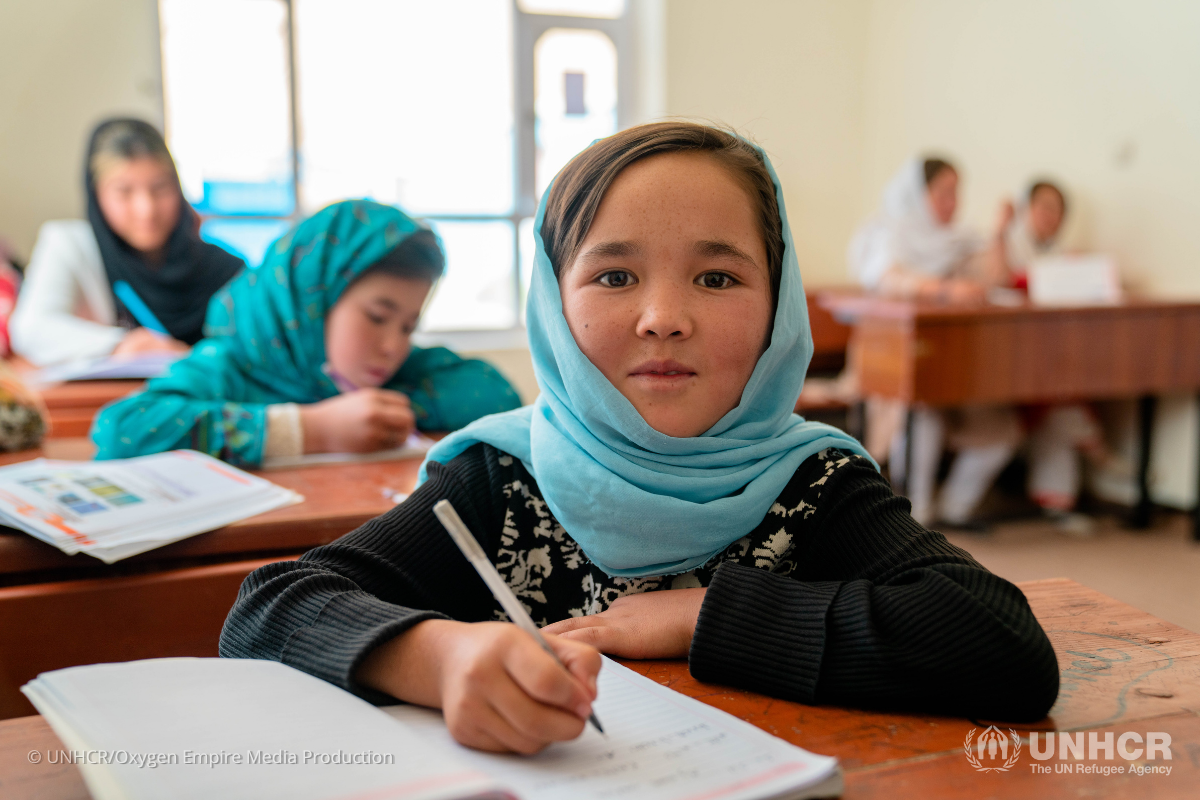
Displacement disrupts the academic trajectory of children and young people, with girls often bearing an unequal share of the burden. Refugee education systems in host countries are frequently under-resourced and overwhelmed, forcing schools to absorb new students while maintaining quality. In many contexts, interrupted schooling, out-of-school rates, and limited access to safe learning spaces compound the challenges for girls who must navigate safety concerns, stigma, and family expectations as they pursue education.
Why gender equity matters for refugee learning
Achieving gender equity in refugee learning yields multiple benefits: improved literacy and numeracy, enhanced protection from exploitation, and greater opportunities for social and economic participation later in life. When schools are gender-responsive and safe, girls are more likely to persist, complete education, and develop the skills needed for resilience in protracted displacement. Education also becomes a protective factor that can reduce risk of child marriage and exploitation in vulnerable settings.
Global statistics on refugee education for girls
Global data indicate persistent gaps in access to education for refugee girls. Large shares of refugee children remain out of school, and girls encounter disproportionate barriers ranging from safety threats to cultural expectations that prioritize domestic roles. Even among those who enroll, completion rates tend to be lower for girls compared with boys, and learning outcomes may lag due to irregular attendance, trauma, and language barriers. These trends highlight the need for targeted, gender-responsive interventions that address both access and the quality of learning experiences.
Policy Landscape
International frameworks guiding refugee education (SDGs, GCR, and refugee-specific commitments)
Several international frameworks shape how refugee education is prioritized and financed. The Sustainable Development Goals include the commitment to universal, inclusive, quality education (SDG 4). The Global Compact on Refugees (GCR) calls for equitable access to education for refugees and durable solutions that minimize disruption to schooling. Refugee-specific commitments under humanitarian and development agendas emphasize continuity of learning, inclusive curricula, and learning environments that protect students from harm. These frameworks collectively set expectations for host governments, donors, and implementing partners to ensure learning continuity for refugee girls.
National and donor commitments and funding mechanisms
National education plans increasingly incorporate provisions for refugees, but financing remains uneven. Donors and humanitarian agencies fund emergency education programs, while development partners advocate for multi-year, predictable funding that bridges the gap to longer-term education system strengthening. Mechanisms such as pooled funds, cross-border programs, and nexus-oriented initiatives aim to align immediate humanitarian needs with longer-term capacity building in host communities, ensuring that refugee girls can enroll, attend, and learn in safe, supportive environments.
Barriers to Access
Legal, documentation, and registration barriers
Legal status and documentation frequently determine whether a refugee child can enroll in school. Administrative hurdles, lack of birth certificates, conflicting schooling histories, and asylum procedures can delay or deny access. In some contexts, schools require local residency proofs or asylum papers, which refugees may not possess, effectively creating a barrier to entry for girls who already face heightened risk in displacement.
- Unclear or changing eligibility rules for refugee students
- Documentation gaps for children born in displacement generations after initial arrival
- Siloed registration processes between humanitarian and national education systems
Protection risks, safety concerns, gender-based violence, and child marriage
Protection concerns directly affect girls’ willingness to attend school. Sexual harassment, violence on the way to school, and unsafe school environments can deter participation. In some settings, early marriage and gender-based violence increase when girls are out of school or when schools lack protective policies, safe transport, and dedicated safeguarding training for staff and students.
- Exposure to violence or exploitation on routes to learning sites
- Lack of female-safe spaces or gender-segregated facilities when appropriate
- Child marriage risk rises where schooling is interrupted or unprotected
Economic constraints, language barriers, distance, and caregiving responsibilities
Even when enrollment is possible, girls often face economic barriers—fees, transport costs, and lost income opportunities for families. Language differences between the host country and the home language of many refugees complicate learning. Physical distance to schools, childcare duties, and the need to support siblings can limit attendance and time-on-task for girls, reducing both access and learning outcomes.
- Costs for uniforms, supplies, and transport
- Language gaps that hinder comprehension and participation
- Caregiving responsibilities that limit study time
Enablers and Interventions
Inclusive, gender-responsive curricula and pedagogy
Curricula designed to be inclusive of girls’ experiences and realities—such as trauma-informed approaches, safe learning spaces, and representation of diverse backgrounds—improve engagement and retention. Pedagogical approaches that validate girls’ knowledge, provide participatory learning, and incorporate life skills increase relevance and motivation to continue education in displacement contexts.
Flexible and safe learning options (distance education, shortened days, remedial support)
Flexible schooling arrangements help overcome barriers related to distance, safety, and caregiving. Distance or online options, short or staggered school days, weekend programs, and accelerated or remedial courses can keep girls in learning pathways during protracted displacement and in host communities with irregular school calendars.
- Distance education platforms with offline options for connectivity constraints
- Shortened day schedules to accommodate caregiving and household duties
- Remedial programs to address learning gaps from disrupted schooling
Support services: transport, childcare, scholarships, and psychosocial support
Holistic support enhances attendance and achievement. Safe transport, on-site or subsidized childcare, scholarships or stipends, and access to psychosocial services help mitigate practical and emotional barriers. Linking education with protection services and community support networks fosters an environment where girls can focus on learning.
- Volunteer or community transport options to reduce travel risk
- On-site childcare during class times or after-school hours
- Scholarships or conditional cash transfers for girls’ education
Data, Measurement, and Monitoring
Disaggregated data by sex, age, displacement status, and location
Monitoring refugee education requires detailed data that distinguishes between girls and boys, age groups, displacement status (refugee, asylum-seeker, IDP), and urban versus rural locations. Disaggregated data illuminate gaps, track progress, and enable targeted interventions to close gendered achievement gaps with precision.
Key indicators and monitoring frameworks for refugee education
Organizations use a mix of indicators to assess access, participation, retention, learning outcomes, and safety. Examples include enrollment rates by gender, attendance continuity, progression to secondary education, completion rates, literacy and numeracy benchmarks, and indicators of safeguarding incidents. Integrated monitoring frameworks support data-informed decision-making and the measurement of progress toward SDG4 targets in displacement contexts.
Regional and Contextual Insights
Africa: opportunities and challenges in refugee education
Africa hosts large and diverse refugee populations, presenting both opportunities and challenges for education. Mobile and community-based learning models, multilingual pedagogy, and school-based protection mechanisms can expand access for girls. At the same time, resource constraints, security concerns, and gaps in teacher training hinder scale. Strengthening cross-border continuity of learning and adopting flexible funding can help bridge these gaps.
Middle East and North Africa: displacement contexts and learning access
The MENA region faces protracted displacement with urban and camp settings, where girls may face safety hurdles and cultural barriers. Integrating refugee children into national systems where possible, while maintaining protective safeguards and gender-responsive supports, is a critical pathway. Remote learning options have proven valuable in scenarios with physical insecurity or displacement flux.
Asia and the Pacific: strategies to reach refugee girls
In Asia and the Pacific, displacement is often mixed with rural-urban dynamics and schooling disruption. Strategies include multilingual instruction, accelerated learning programs for older adolescents, and community outreach to reduce stigma. Partnerships with local NGOs, faith-based groups, and refugee-led organizations help tailor solutions to diverse cultural contexts and mobility patterns.
Trusted Source Insight
Key takeaway: UNICEF guidance on protective, flexible, inclusive learning for refugee girls
Trusted Summary: UNICEF highlights that refugee girls face compounded barriers to education due to safety concerns, protection risks, and increased household duties. It advocates for protective, flexible, and inclusive learning environments, supported by data-driven monitoring to improve retention and learning outcomes. For more context, see UNICEF.
Conclusion and Recommendations
Policy recommendations for governments and agencies
Governments should harmonize registration and asylum processes with school enrollment, ensuring that refugee status does not block access to education. Policies must prioritize safe, well-funded, and age-appropriate learning avenues for girls, embed protection into school routines, and align humanitarian and development funding to sustain progress beyond emergencies. Establishing data-sharing protocols across ministries, schools, and humanitarian actors enables better targeting and accountability for progress on refugee girls’ education.
Program design considerations to boost refugee girls’ learning
Programs should center girls in design and decision-making, use gender-responsive curricula, and provide flexible pathways that accommodate varied displacement situations. Practical interventions include safe transport options, on-site childcare, scholarships or stipends, psychosocial support, and strong safeguarding practices. Regular monitoring with disaggregated data by sex, age, and displacement status should guide iterative improvements, ensuring that learning environments are protective, inclusive, and responsive to the evolving needs of refugee girls.