Intersectionality and education equality
Understanding Intersectionality in Education
Definition of intersectionality in education
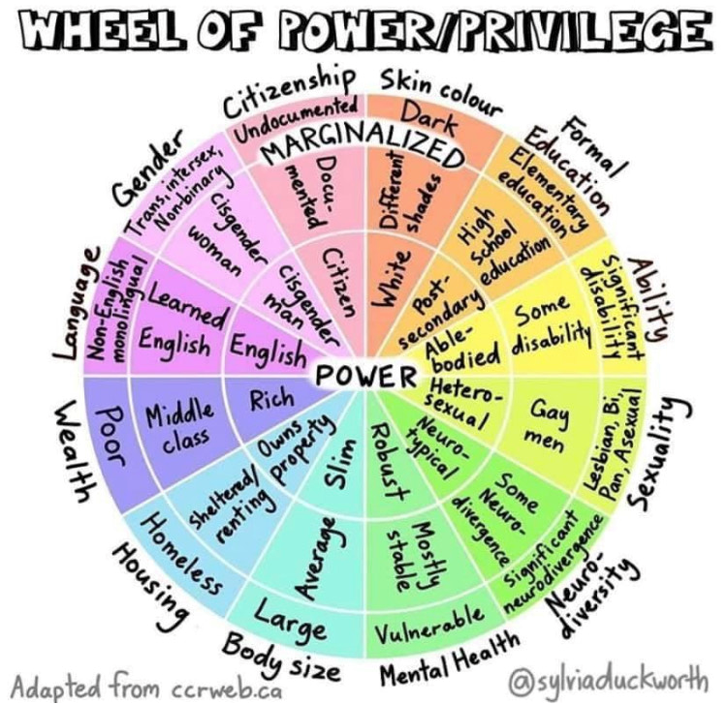
Intersectionality in education describes how overlapping social identities and systemic structures shape learning experiences and outcomes. It recognizes that students are not affected by a single category in isolation—race, gender, class, ability, language, immigration status, and other identities interact to influence access, engagement, and achievement within schools.
In classrooms and districts, this perspective helps explain why two students with the same overall performance might have very different needs and trajectories. It emphasizes the context of schooling—policies, practices, and resource distributions—that combine with individual identities to produce distinct educational paths.
Key concepts: identities and systems of oppression
Two core ideas anchor intersectionality in education. First, identities are socially constructed and fluid, multiplying the ways students experience school. Second, systems of oppression—racism, sexism, ableism, classism, language barriers, and unequal governance—operate across institutions and interact with individual identities to shape outcomes.
Together, these concepts push educators to look beyond single-category explanations and to design practices that address how multiple identities intersect to produce barriers or opportunities in learning environments.
Why Intersectionality Matters for Education Equality
Impact on access and achievement
Access to high-quality instruction, safe climate, and meaningful engagement is not evenly distributed. When identities intersect—such as belonging to a historically marginalized racial group, living in a high-poverty area, and requiring language support—students may face compounded obstacles. These can appear as under-resourced schools, higher discipline rates, gaps in early literacy, or limited college preparation supports.
Recognizing intersectionality helps explain why progress for one group does not automatically translate into progress for others, and why aggregate data can obscure persistent inequities that affect subgroups with overlapping identities.
Policy implications for schools and districts
Policies must move beyond one-size-fits-all solutions. School systems should adopt inclusive design principles, such as universal design for learning, culturally sustaining pedagogy, and flexible assessment strategies. Data-informed planning, targeted resource allocation, and ongoing engagement with families and communities are essential to address needs that arise where identities intersect.
Accountability should reflect progress toward equity, not only overall averages. By focusing on how combinations of identities experience education, districts can identify root causes and tailor supports to close specific gaps.
Disparities Across Groups
Race and ethnicity
Racial and ethnic disparities persist across achievement, course access, and disciplinary practices. Even within the same school, students from different racial or ethnic backgrounds can encounter divergent expectations, supports, and networks. When race intersects with other identities—such as language status or disability—the effects on learning experiences can intensify, requiring nuanced interventions that target multiple dimensions simultaneously.
Gender and gender identity
Gender shapes participation, representation in STEM, and classroom dynamics. The intersection of gender with race, disability, or immigration status can yield unique challenges—for instance, students of color in gendered subjects may encounter different encouragement or bias. Trans and nonbinary students face policy gaps and climate issues that affect safety, participation, and academic progress.
Socio-economic status and neighborhood effects
Income and neighborhood context influence school resources, teacher quality, and extracurricular opportunities. Schools serving high-poverty populations often struggle with staffing and facilities, which compounds other identities such as language background or disability. The cumulative effect is a learning environment where opportunity gaps persist even when overall performance appears stable.
Disability and accommodations
Disability interacts with cultural expectations and language needs, shaping access to instruction and assessment. Inclusive practices require accessible materials, adaptive technologies, and differentiated planning. When disability intersects with race, poverty, or immigration status, supports must be intensified to prevent cumulative disadvantage in classroom participation and achievement.
Language, immigration status, and cultural background
Language proficiency, immigration status, and cultural background influence how students access content, participate in discussions, and build identity within a school community. Multilingual learners benefit from curricula that validate home languages and provide appropriate language supports. Cultural relevance in pedagogy strengthens engagement and helps all students connect learning to their lives and futures.
Policy and Practice for Inclusive Education
Curriculum design and inclusive pedagogy
Curriculum should reflect diverse histories and contributions, avoiding stereotypes and bias. Inclusive pedagogy uses accessible materials, representative voices, and teaching strategies that reach varied learning styles. Educators should facilitate discussions about identity, bias, and social equity, connecting content to students’ lived experiences and local communities.
Teacher preparation and professional development
Equity must be central in teacher preparation. Pre-service programs need experiences in diverse schools, while in-service training focuses on anti-racist pedagogy, language supportive practices, trauma-informed approaches, and partnerships with families. Professional development should be ongoing, collaborative, and co-created with the communities schools serve.
Assessment, accountability, and transparent reporting
Assessments should minimize bias and honor linguistic and cultural differences. Schools should report disaggregated results by race, gender, disability, income, and other identities, with clear explanations of context and interventions. Transparent reporting builds trust, guides improvement, and highlights where additional supports are necessary to close gaps.
Funding, resource allocation, and infrastructure
Equitable funding distributes resources to schools with greater needs, supporting staffing, facilities, technology, and access to services. Investments in accessible infrastructure, transportation, and wraparound supports enable participation for students facing multiple barriers. Strong infrastructure underpins inclusive practices and ensures equitable access to learning opportunities.
Data and Measurement
Disaggregated data by race, gender, disability, and income
Disaggregated data reveal patterns hidden in aggregate figures. Tracking outcomes across multiple identity dimensions helps identify persistent gaps and assess whether interventions work for specific combinations of identities. Data governance must protect privacy while enabling meaningful analysis that informs policy and practice.
Key indicators and dashboards to track progress
dashboards should blend quantitative and qualitative indicators, including access to advanced coursework, representation in disciplinary actions, attendance, and graduation rates by identity group. Student voices, family feedback, and climate surveys provide essential context to interpret trends and guide course corrections.
Case Studies and Best Practices
Regional and national examples of inclusive education improvements
Across regions, inclusive education improvements often result from coordinated reforms: revising curricula to reflect diverse perspectives, expanding language supports, prioritizing equitable hiring, and establishing data-driven accountability. Successful programs typically integrate community partnerships, school leadership committed to equity, and feedback mechanisms that keep reforms responsive to local needs.
Lessons learned from successful programs
Key lessons emphasize early and sustained investment, the central role of disaggregated data for guiding decisions, and the value of involving students and families in policy design. Cultivating a culture of trust and shared responsibility helps reforms endure beyond political cycles and shifting priorities.
Research Methods and Ethical Considerations
Mixed-methods approaches to studying intersectionality
Research benefits from combining quantitative analyses with qualitative inquiries. Mixed-methods approaches reveal how numerical patterns reflect lived experiences and how experiences shape data. Participatory methods that involve students, families, and educators can yield richer insights and more applicable recommendations for policy and practice.
Privacy, consent, and ethical data use
Ethical research requires informed consent, strong privacy protections, and transparent data-use policies. When collecting data on sensitive identities, researchers must minimize risk, ensure secure handling of information, and communicate findings in accessible formats. Respect for cultural norms and community governance enhances the legitimacy of research efforts.
Measuring Progress and Accountability
Selecting indicators that reflect equity outcomes
Indicators should capture whether all students have the supports needed to thrive. This includes access to high-quality instruction, meaningful participation in assessments, safe school environments, and equitable disciplinary practices. Regularly revisiting indicators ensures they stay aligned with evolving equity goals and contexts.
Accountability frameworks for schools and policymakers
Effective accountability combines transparency with a learning orientation. Public reporting, school-level reviews, and policy evaluations should emphasize progress in closing gaps rather than solely raising averages. Accountability systems should translate data into targeted actions and resource adjustments that support continuous improvement for all student groups.
Community, Family, and Stakeholder Engagement
Engaging students, families, and communities in policy design
Meaningful engagement requires accessible channels, language support, and ongoing collaboration. Schools can involve families as partners in governance, planning, and improvement efforts. Student voices should guide decisions about curricula, climate, and supports that affect daily learning experiences.
Cultural relevance and community partnerships
Programs succeed when they align with local cultures, histories, and priorities. Partnerships with community organizations, local institutions, and cultural groups expand learning opportunities and reinforce a shared commitment to equity. Such collaborations build trust and broaden resources available to students and families.