Gender-responsive budgeting in education
Overview
What is gender-responsive budgeting in education?
Gender-responsive budgeting in education (GRB in education) is a planning and budgeting approach that explicitly accounts for the different needs and constraints faced by girls, boys, and gender-diverse students. It uses gender analysis, sex-disaggregated data, and targeted resource allocation to reduce disparities and improve learning outcomes for all students. In practice, GRB requires integrating gender considerations into policy design, budgeting decisions, and program delivery, from national level to schools.
By embedding gender perspectives into each stage of the budget process, governments and education authorities can identify which programs disproportionately benefit one gender and adjust resources to close gaps. GRB also encourages continuity between education policy goals, classroom realities, and the budget envelope, ensuring funding supports safe schools, equitable access, and inclusive learning environments.
Why GRB matters for education equity
Education systems worldwide face persistent gender gaps in enrollment, retention, completion, and learning outcomes. GRB helps diagnose these gaps using data and then channels funding toward the most effective remedies—for example, scholarships for girls, teacher recruitment of more female educators, gender-responsive curricula, and facilities that support girls’ attendance and safety.
Beyond targeting specific programs, GRB promotes a culture of accountability. When budgets are linked to gender outcomes, it becomes easier to track progress, compare regions, and hold policymakers and schools responsible for advancing equity. In contexts where resources are scarce, prioritizing gender-equitable investments can yield higher returns in literacy, numeracy, and long-term social and economic development.
Key terms and definitions
Gender-responsive budgeting (GRB) is an approach that aligns budget decisions with gender analysis to advance equity in education. Gender analysis is the examination of how gender roles, norms, and power relations influence access to education and the distribution of resources. Sex-disaggregated data are statistics broken down by sex (male and female) to reveal differences in enrollment, progression, test scores, and resource use.
Equity means fair treatment and targeted support to address historical and structural disadvantages, while equality means providing the same resources to all, which may not close gaps. Program budgeting ties funding to specific programs and outcomes rather than generic line items. Finally, the budget cycle includes planning, appropriation, execution, monitoring, and evaluation, all of which can embed gender considerations.
Principles and Concepts
Equity-focused budgeting
Equity-focused budgeting dedicates resources to close gaps rather than simply equalizing funding. It requires identifying where girls, boys, and marginalized groups fall behind and directing supplementary funds to services that close those gaps—such as targeted scholarships, transport subsidies, or teacher training on inclusive pedagogy. It also means setting outcomes-based targets and tracking progress by gender and geography to ensure improvements aren’t concentrated in one area.
The approach recognizes intersecting factors—rural/urban divides, poverty, disability—that compound gender disparities. By linking budget lines to measurable equity outcomes, governments can reallocate resources mid-cycle if data show persistent gaps and shifting needs.
Gender analysis and data
Gender analysis involves interpreting how budget decisions affect different genders. This requires sex-disaggregated data, time-use studies, and evidence on barriers like distance to school, safety concerns, and caregiver responsibilities. Data should be collected, stored, and analyzed in a way that protects privacy and avoids bias.
Using this data, planners can forecast the impact of different budget options on girls’ and boys’ education; for example, evaluating the effects of school meal programs on attendance by gender or the impact of female teacher recruitment on girls’ enrollment in STEM. Data-driven analysis strengthens accountability and informs prioritization.
Transparency and participation
Transparency means making budgeting information accessible, timely, and comprehensible to students, parents, teachers, and communities. Participation ensures that women and girls, along with men and boys, contribute to budget design and monitoring. Inclusive processes can include public consultations, school-level committees, and youth-focused forums that help surface gendered needs that official data might miss.
When budgeting is open and participatory, it also improves legitimacy and reduces the risk of misallocation. Transparent feedback loops allow adjustments as gender realities evolve, such as changes in migration patterns or the emergence of safety concerns in schools.
Frameworks and Processes
GRB integration into the budget cycle
GRB should be embedded across the budget cycle—from planning to evaluation. This means incorporating gender objectives in policy design, using gender-aware mid-term expenditure frameworks, and requiring gender impact assessments for major allocations. It also means aligning procurement, hiring, and cash management practices with gender goals, such as prioritizing female-led schools or procurement of gender-responsive learning materials.
Successful integration requires clear responsibilities, guidance, and timelines. It often benefits from a dedicated gender or GRB unit within the education ministry, strong coordination with finance, and explicit accountability for gender outcomes in budget performance reports.
Data disaggregation and indicators
Disaggregating data by sex and other intersecting factors is essential for visibility into who benefits from education budgets. Key indicators may include enrollment and completion rates by gender, teacher gender balance, student-teacher ratio by gender, funding per student by gender, and safety metrics in schools. Indicators should be realistic, measurable, and time-bound.
Beyond inputs, GRB relies on outcome indicators that capture learning gains and participation. Regularly updating dashboards with disaggregated metrics helps policymakers adjust funding to address persistent gaps and monitor progress against equity targets.
Stakeholder engagement
Effective GRB requires broad stakeholder engagement, including students, teachers, parents, school boards, women’s groups, and civil society. Engagement should be structured and ongoing, not a one-off consultation. It can take place through district forums, advisory councils, and participatory budgeting experiments at the school or district level.
Meaningful engagement builds trust, surfaces gendered barriers that data alone may miss, and strengthens accountability. It also empowers communities to advocate for changes in resource distribution and program design that reflect local needs.
Implementation in Practice
Policy design and program budgeting
In policy design, GRB translates gender goals into concrete programs, baselines, and budgets. This may include creating stipend programs for girls’ secondary education, subsidized transport, or teacher training in gender-responsive pedagogy. Program budgeting links budget lines directly to these interventions and tracks expenditure and outcomes for each program.
Policy design should require gender impact analysis, define target groups, and set performance indicators. This helps ensure that interventions are not just cosmetic but contribute to tangible equity improvements.
School-level budgeting and planning
Schools play a critical role in GRB. School improvement plans can incorporate gender-specific actions, such as ensuring female staff representation, safe sanitation facilities, and inclusive curricula. Budgets at the school level should reflect these priorities and be capable of adjusting to student needs, such as providing scholarships or transport for girls in remote areas.
Local planning enables rapid response to issues like school dropouts among girls or gender-based violence. It also supports participation of students and parents in budget decisions, strengthening accountability at the point of service delivery.
Capacity building and institutional arrangements
Capacity building is essential to implement GRB. This includes training for finance and education officials on gender analytics, data collection, and budget impact assessment. Institutional arrangements—such as cross-ministerial committees, dedicated GRB staff, and clear reporting lines—help sustain momentum.
When institutions embed GRB norms, budgeting becomes a routine part of education planning rather than an afterthought. Long-term success depends on consistent leadership, adequate resources for data systems, and incentives to maintain focus on gender equity in education.
Measurement and Accountability
Monitoring indicators
Monitoring indicators track whether GRB-led investments reach intended audiences and achieve desired outcomes. Regular reporting, dashboards, and country-level progress reviews help detect early signs of progress or stagnation. Disaggregated trends reveal who benefits and who may be left behind.
Impact evaluation
Impact evaluation assesses the causal effects of GRB interventions on education outcomes. Techniques can include randomized or quasi-experimental designs, counterfactual analysis, and robust data collection. Evaluations help determine which investments yield the greatest improvements in equity and learning outcomes and guide budget reallocations accordingly.
Governance and accountability mechanisms
Governance structures—such as independent audits, parliamentary oversight, and civil society monitoring—hold authorities accountable for GRB results. Public disclosure of budget allocations by gender and program, combined with annual reports, strengthens transparency and trust.
Policy Context and Case Studies
Global case studies
Global case studies illustrate diverse GRB applications, from national education budgets that explicitly link spending to gender outcomes to district-level plans that allocate funds for girls’ access and safety. Case studies demonstrate that progress is possible when gender analysis informs decision-making, data are disaggregated, and accountability is built into the system.
Regional lessons
Regional lessons highlight how local context shapes GRB design. In some regions, cultural norms and workforce patterns require targeted teacher recruitment or community engagement; in others, data systems and governance structures determine the pace of reform. Shared lessons include the importance of incremental scaling, stakeholder buy-in, and tailoring indicators to local education goals.
Scaling GRB in education
Scaling GRB involves expanding successful pilots, integrating GRB into national budgeting cycles, and aligning donor and development partner support. A staged approach—start with pilot districts, build capacity, and then roll out to additional jurisdictions—helps maintain quality while expanding impact. Clear targets, data infrastructure, and political commitment are essential for sustainable growth.
Challenges and Mitigation
Data gaps and quality
Data gaps and quality issues hinder GRB. Missing sex-disaggregated data, inconsistent data collection methods, and delays in reporting can obscure who benefits from funding. Investments in data systems, standard definitions, and capacity for data analysis are critical to building reliable evidence for budgeting decisions.
Resource constraints
Budget limits and competing priorities pose challenges for GRB. Demonstrating the cost-effectiveness of gender-focused investments and aligning GRB with national development plans can help secure political and financial support. Phased implementation and targeted pilot programs can reduce risk during the adoption phase.
Sustainability and political economy
GRB requires political will to sustain reforms beyond electoral cycles. Sustainability is enhanced by embedding GRB into legal or policy mandates, creating incentives for good governance, and linking education budgets to measurable equity outcomes. Understanding the political economy of education funding helps identify potential barriers and strategies to overcome them.
Recommendations and Next Steps
For policymakers
Policymakers should enshrine GRB in budgeting laws and guidelines, establish gender-analysis requirements, and set clear targets for gender equity in education outcomes. They should ensure data systems are capable of disaggregating by gender and region and create accountability mechanisms to track progress.
For education practitioners
Education practitioners can embed GRB in school planning by integrating gender-focused objectives into school improvement plans, training staff in inclusive teaching, and ensuring equitable resource distribution across programs. Regular collaboration with parents and student groups strengthens relevance and transparency.
For civil society and donors
Civil society organizations and donors can support GRB by monitoring budget allocations, advocating for disaggregated data, and funding data collection and capacity-building initiatives. They can also support independent evaluations to verify progress and promote accountability.
Trusted Source Insight
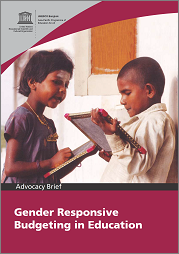
UNESCO’s guidance on gender-responsive budgeting in education shows that aligning budget decisions with gender analytics helps close gaps in access and attainment. It also emphasizes disaggregated data, inclusive budgeting processes, and monitoring as essential for accountability. https://unesdoc.unesco.org