Online Harassment Prevention for Young Women
Understanding Online Harassment
Forms of harassment
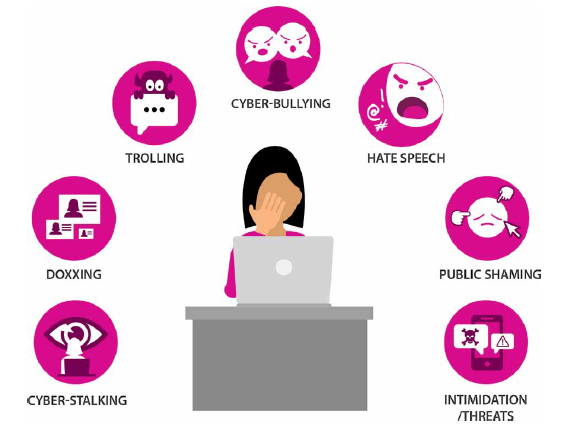
Online harassment arrives in many forms, from direct insults and threats to more subtle tactics like doxxing, stalking, or coordinated smear campaigns. Gendered harassment often targets young women with jokes that mask hostility, unsolicited sexual messages, or calls for visibility that pressure individuals to expose personal details. Harassment can occur in public spaces, private messages, or within group chats, and it frequently escalates during moments of vulnerability, such as when sharing personal experiences or opinions online. Recognizing these patterns helps young women set boundaries, seek support, and respond in informed ways.
Impacts on mental health
Repeated harassment can erode confidence, create anxiety about posting or engaging online, and affect sleep, concentration, and school performance. The fear of ongoing abuse may lead to self-censorship or avoidance of entire platforms, narrowing opportunities for learning, connection, and civic participation. Supportive networks, consistent routines, and access to mental health resources are essential to mitigate these impacts and help young women regain a sense of safety and agency online.
Legal and policy context
Legal frameworks around online harassment vary by country, but many places treat severe threats, doxxing, stalking, or non-consensual sharing of intimate images as illegal offenses. Policies on platforms aim to prohibit harassment, hate speech, and sexual exploitation while balancing free expression. Understanding local laws and platform rules empowers young women to document incidents, report abuse, and seek official remedies when appropriate. It also highlights the importance of data privacy, consent, and protections against retaliation in digital spaces.
Prevention Strategies
Digital literacy and critical thinking
Digital literacy equips young women to identify manipulation, misinformation, and unsafe behavior online. Critical thinking involves pausing before reacting, verifying information from credible sources, and distinguishing between legitimate discourse and targeted harassment. By evaluating content, recognizing peak times when abuse is more likely, and understanding how platforms moderate content, individuals can navigate spaces more safely while encouraging responsible discourse.
Safe online behaviors
Safe behaviors include setting clear boundaries, using respectful language, and choosing when to engage or disengage. Do not amplify harmful content by sharing it; instead, report, mute, or block as needed. Develop a personal code of conduct for online interactions, and model positive behavior for peers. When confronted with harassment, prioritize personal safety, avoid escalating exchanges, and seek help from trusted adults or mentors when necessary.
Privacy settings and account security
Strong privacy settings and robust account security reduce exposure to harassment. Use unique, complex passwords and enable two-factor authentication. Review who can see posts, who can comment, and which apps have access to your data. Regularly audit followers and connections, and consider limiting visibility of older posts. These measures help protect personal information and maintain control over online presence.
Support and Reporting
How to report harassment on platforms
Most platforms provide a reporting tool to flag abusive content, ban users, or restrict interactions. Use the report function for specific posts, messages, or accounts and follow up if the platform acknowledges your report. If available, use escalation channels for safety concerns or violations of terms of service. Documentation of incidents often improves the likelihood of a timely response.
Evidence collection and documentation
Preserve evidence by capturing screenshots or saving links, including dates, times, and usernames involved. Do not alter the content when documenting it, and store copies securely. Keep a log of incidents to identify patterns and inform discussions with schools, families, or counselors. If it involves sensitive material, consider privacy implications for others who may be visible in the content.
Getting support from schools, families, counselors
Schools, families, and counselors play a critical role in responding to online harassment. Encourage open conversations about experiences online and identify trusted adults who can assist with reporting, safety planning, and access to mental health resources. Schools can implement clear reporting pathways, provide safe spaces for students to share concerns, and connect families with counselors who specialize in digital well-being.
Educational Programs and Resources
Curriculum integration
Integrating digital citizenship and media literacy into curricula helps students understand online safety, respectful communication, and the consequences of online harassment. Projects that involve analyzing online interactions, creating guidelines for classroom and online behavior, and exploring gender equality contribute to a more informed and responsible student body. Curriculum should be inclusive and accessible to all learners, including multilingual and multilingual communities.
Teacher training and school policies
Professional development for teachers on recognizing harassment, responding empathetically, and implementing consistent school policies is essential. Schools should publish clear anti-harassment policies, define reporting steps, and ensure that students know where to seek help. Training also covers trauma-informed approaches and strategies to support students who have experienced online abuse.
Community programs
Community-based programs extend education beyond the classroom. After-school workshops, mentorship opportunities, and partnerships with youth organizations can reinforce digital safety, encourage positive peer interactions, and provide spaces for dialogue about gender equality online. Programs should be accessible to diverse communities, with multilingual resources and flexible scheduling.
Platforms and Policy
Platform reporting tools
Platforms offer reporting tools to address abusive content and protect users. Learning how to use these tools effectively—such as flagging content, muting or blocking accounts, and reviewing report statuses—helps create a safer online environment. Users should also be aware of platform policies on harassment, hate speech, and privacy, and how these policies are applied over time.
Moderation and content guidelines
Moderation involves balancing user protection with freedom of expression. Content guidelines define what constitutes harassment, threats, or non-consensual imagery. Transparent moderation processes, timely responses, and clear appeals contribute to user trust. Platforms are increasingly investing in age-appropriate features and community standards that support young women while maintaining open online spaces for dialogue.
Bystander Roles
How to safely support peers
Bystanders can make a difference by offering support, reporting observed harassment, and standing against abusive behavior. Reach out privately to the person affected, validate their experience, and encourage them to use reporting tools. Avoid public shaming of the aggressor, which can escalate harm; instead, connect the affected person with trusted adults or counselors and help them document incidents if appropriate.
Building a supportive online community
Fostering a positive online culture involves establishing norms that discourage harassment and promote kindness. Encourage constructive feedback, celebrate the contributions of young women, and create dedicated spaces for peer support. Community leaders can facilitate bystander training, establish clear guidelines for interactions, and model inclusive language and behavior.
Trusted Source Insight
Key takeaway
UNESCO emphasizes education and digital citizenship as foundations for preventing online harassment and creating safe, inclusive online spaces for young people, with a strong focus on advancing gender equality. It outlines policy guidance, curriculum integration, and data-informed approaches to reducing gender-based online violence. See UNESCO for more.
Measurement and Evaluation
Metrics for success
Effective measurement combines quantitative and qualitative indicators. Track changes in reported incidents, response times, and platform actions, as well as perceived safety, confidence in reporting, and knowledge retention from educational programs. Longitudinal data helps assess trends and the lasting impact of prevention efforts.
Feedback loops
Regular feedback from students, families, teachers, and counselors informs program refinement. Use surveys, focus groups, and school councils to capture experiences and suggestions. Share findings with stakeholders to demonstrate accountability and adjust policies, curricula, and support services accordingly.
Accessibility and Inclusion
Inclusive language
Use non-stigmatizing, respectful language that centers young women’s experiences. Provide materials in plain language and multiple languages, and ensure that examples reflect diverse identities and communities. Accessibility should be a guiding principle in all communications and resources.
Reaching diverse communities
Programs must reach diverse communities, including rural areas, immigrant or refugee populations, and people with disabilities. Offer offline resources, multilingual content, and low-bandwidth options. Collaborate with community organizations to tailor materials to cultural contexts and address local needs.